

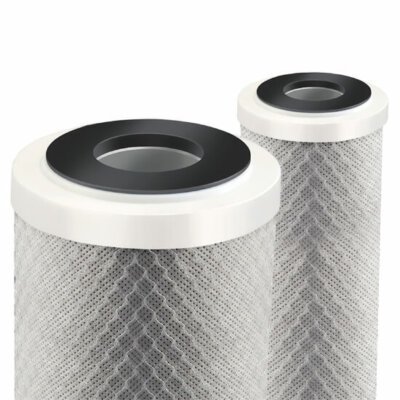
Water quality plays a critical role in both residential and industrial applications. Whether it is drinking water, food processing, pharmaceuticals, or manufacturing operations, effective filtration is necessary to remove impurities and improve overall water quality. Among the various filtration technologies available today, the carbon filter cartridge stands out as one of the most reliable and efficient solutions for eliminating contaminants, odors, and unwanted tastes from water.
Understand about What is a Carbon Filter Cartridge?
A carbon filter cartridge is a filtration component that uses activated carbon to capture and remove impurities from liquids and gases. Activated carbon contains millions of tiny pores that create a large surface area, allowing it to adsorb contaminants effectively. Unlike mechanical filters that physically block particles, carbon filters attract and hold contaminants on their surface through a process known as adsorption.
These cartridges are commonly installed in water filtration systems to improve water quality and make it safer and more pleasant for everyday use.
How Does a Carbon Filter Cartridge Work?
The filtration process begins when water passes through the activated carbon media inside the cartridge. As the water flows through, contaminants are trapped within the carbon’s porous structure. The activated carbon effectively removes:
- Chlorine and chloramine
- Unpleasant odors
- Bad taste
- Volatile organic compounds (VOCs)
- Pesticides and herbicides
- Industrial chemicals
- Certain dissolved contaminants
The result is cleaner, clearer, and better-tasting water suitable for various applications.
Types of Carbon Filter Cartridges
Different filtration requirements call for different carbon cartridge designs. The most common types include:
1. Granular Activated Carbon (GAC) Cartridges
These cartridges contain loose granules of activated carbon. They are highly effective at reducing chlorine, odors, and taste issues while maintaining a good water flow rate.
2. Carbon Block Cartridges
Carbon block filters are made by compressing activated carbon into a solid block. They provide superior filtration performance and can remove smaller particles along with chemical contaminants.
3. Catalytic Carbon Cartridges
Catalytic carbon is specially treated to enhance its ability to remove chloramines, hydrogen sulfide, and other challenging contaminants often found in municipal water supplies.
4. Specialty Carbon Cartridges
Some cartridges are designed for specific industrial applications, such as removing heavy chemicals, reducing organic compounds, or treating process water.
Benefits of Using a Carbon Filter Cartridge
Improved Water Taste and Odor
One of the most noticeable benefits of a carbon filter cartridge is the elimination of unpleasant tastes and odors caused by chlorine and other chemicals.
Effective Chemical Reduction
Activated carbon efficiently reduces a wide range of chemical contaminants, making water safer for consumption and industrial use.
Environmentally Friendly Solution
Carbon filtration reduces dependence on bottled water and minimizes plastic waste, contributing to a more sustainable environment.
Cost-Effective Filtration
Compared to many advanced water treatment systems, carbon filter cartridges provide excellent performance at a relatively low operating cost.
Versatile Applications
These cartridges can be used in residential, commercial, and industrial filtration systems, making them a flexible solution for various water treatment needs.
Common Applications of Carbon Filter Cartridges
Residential Water Filtration
Homeowners use carbon filter cartridges in drinking water systems, kitchen filters, refrigerators, and whole-house filtration systems to improve water quality.
Food and Beverage Industry
Manufacturers rely on carbon filtration to remove chlorine and impurities that could affect product taste and quality.
Pharmaceutical Manufacturing
High-purity water is essential in pharmaceutical production. Carbon filters help eliminate contaminants that may interfere with manufacturing processes.
Industrial Water Treatment
Factories and processing plants use carbon filter cartridges to treat process water and protect sensitive equipment from chemical contamination.
Aquariums and Aquaculture
Carbon filtration helps maintain healthy water conditions by removing harmful chemicals and improving water clarity.
Maintenance Tips for Carbon Filter Cartridges
Proper maintenance is essential for optimal filtration performance. Consider the following recommendations:
- Replace cartridges according to the manufacturer’s guidelines.
- Monitor water flow and pressure for signs of clogging.
- Conduct regular water quality testing.
- Use pre-filters when dealing with high sediment levels.
- Store replacement cartridges in a clean, dry environment.
Failure to replace a saturated cartridge can reduce filtration efficiency and allow contaminants to pass through the system.
Choosing the Right Carbon Filter Cartridge
Selecting the appropriate carbon filter cartridge depends on several factors:
- Water quality and contaminant levels
- Flow rate requirements
- Cartridge size and housing compatibility
- Desired filtration efficiency
- Application-specific requirements
Understanding your filtration goals will help ensure you choose a cartridge that delivers reliable and consistent performance.
Conclusion
A carbon filter cartridge is an essential component for anyone seeking cleaner, safer, and better-tasting water. Its ability to remove chlorine, odors, organic compounds, and various contaminants makes it a trusted choice across residential, commercial, and industrial applications. By selecting the right cartridge and maintaining it properly, users can enjoy improved water quality, enhanced system performance, and long-term filtration efficiency. As water quality standards continue to rise, carbon filter cartridges remain one of the most practical and effective filtration solutions available today.
Read Other Blogs – https://gettonews.com/
