

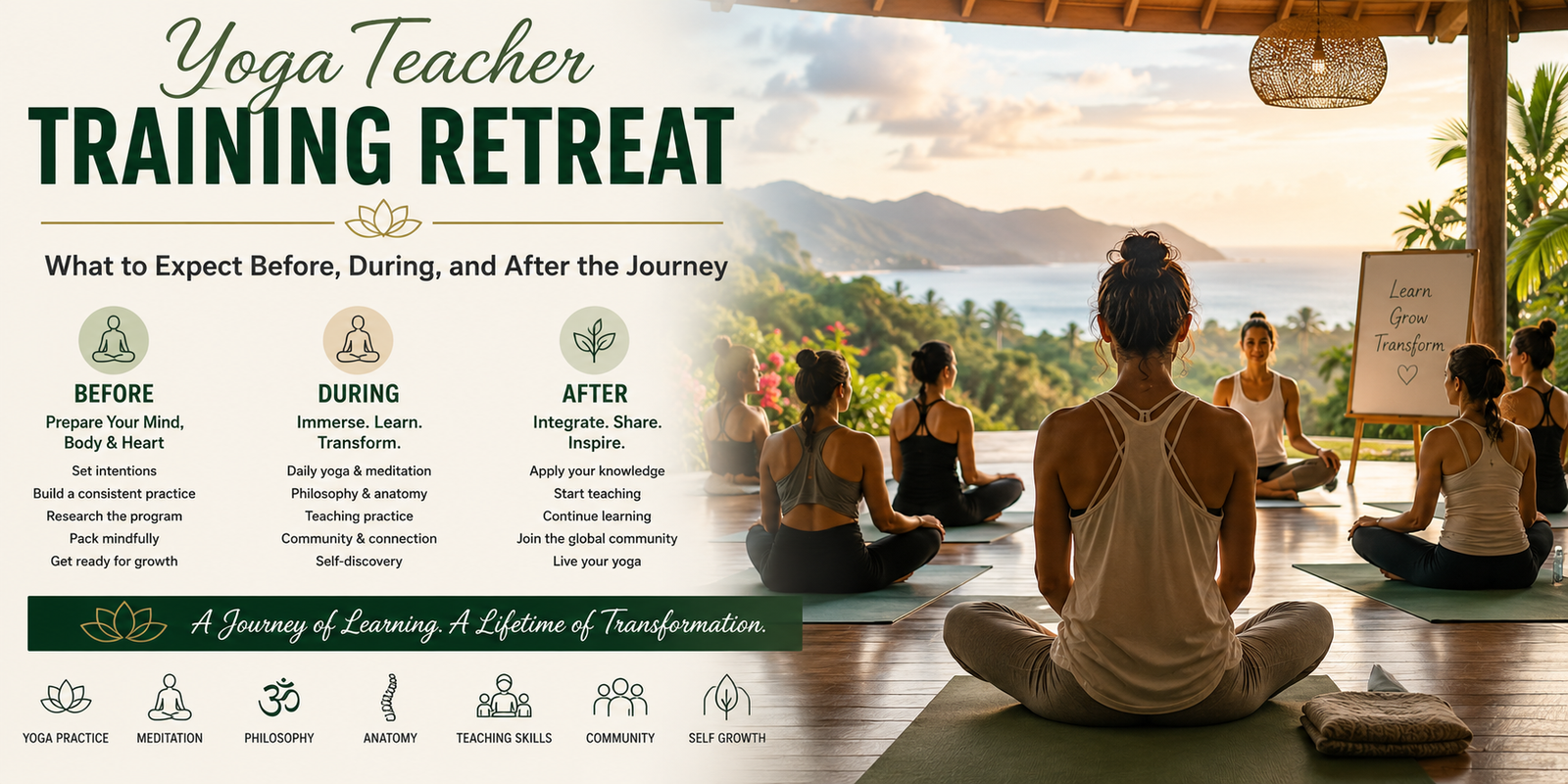
Embarking on a yoga teacher training retreat is often much more than enrolling in an educational program. For many people, it represents a transformative journey that combines personal growth, professional development, self-discovery, and a deeper understanding of yoga. While some participants join with the goal of becoming certified yoga instructors, others attend to strengthen their practice, reconnect with themselves, and immerse themselves in a supportive learning environment.
In recent years, the popularity of the yoga teacher training retreat experience has grown significantly as individuals seek meaningful opportunities to enhance both their physical and mental well-being. Unlike traditional classroom-based certification programs, retreats offer an immersive setting where participants can focus entirely on learning, practicing, and personal transformation without the distractions of daily life.
However, many first-time attendees are unsure what to expect. Questions about preparation, daily schedules, training intensity, accommodations, teaching requirements, and post-retreat opportunities are common. Understanding each stage of the experience can help participants feel confident and fully prepared for the journey ahead.
Whether you are considering your first certification program or exploring ways to deepen your yoga practice, knowing what to expect before, during, and after a yoga teacher training retreat can help you make the most of this life-changing opportunity.
Understanding the Purpose of a Yoga Teacher Training Retreat
More Than a Certification Program
Many people initially view a yoga teacher training retreat as a pathway to becoming a yoga instructor. While certification is certainly an important outcome, the experience often extends far beyond teaching credentials.
A well-designed retreat introduces students to yoga philosophy, anatomy, meditation, breathwork, sequencing, teaching methodology, and personal development practices. Participants frequently discover new perspectives on wellness, mindfulness, and self-awareness that positively influence many areas of their lives.
The retreat environment encourages individuals to disconnect from daily stressors and fully engage in the learning process. This immersive experience often creates lasting personal and professional growth.
Why Retreat-Based Training Is Unique
Traditional learning environments typically involve attending classes for a few hours each week. In contrast, a yoga teacher training retreat provides an intensive and focused experience where participants live, study, and practice together.
This continuous engagement accelerates learning and creates strong connections among students and instructors. The retreat setting also allows participants to experience yoga as a lifestyle rather than simply a physical exercise routine.
Before the Retreat: Preparing for the Experience
Setting Realistic Expectations
One of the most important aspects of preparation is understanding that a yoga teacher training retreat can be both rewarding and challenging. Participants often spend several hours each day practicing yoga, attending lectures, participating in workshops, and completing assignments.
While the experience is designed to be supportive, it also requires commitment, discipline, and an open mind. Entering the retreat with realistic expectations helps reduce unnecessary stress and allows participants to embrace the process fully.
Developing a Consistent Yoga Practice
Although many programs welcome students of varying experience levels, establishing a regular yoga practice before attending can make the transition smoother.
Consistent practice helps participants become familiar with foundational postures, breathing techniques, and movement patterns. This familiarity allows students to focus more on advanced learning concepts during the retreat.
Preparing Physically and Mentally
A yoga teacher training retreat often involves physical activity, long study sessions, and emotional growth. Participants benefit from maintaining healthy habits before arrival, including proper nutrition, hydration, adequate sleep, and stress management.
Mental preparation is equally important. Approaching the experience with curiosity and a willingness to learn creates a strong foundation for success.
Researching the Program
Not all training programs are the same. Before enrolling, prospective students should carefully review the curriculum, instructor qualifications, certification standards, accommodation options, and retreat location.
Understanding the program structure helps ensure that expectations align with the actual experience.
During the Retreat: What the Daily Experience Looks Like
Immersive Learning Environment
Once the retreat begins, participants quickly discover that the experience is highly immersive. Daily schedules often include morning meditation, yoga practice, lectures, workshops, group discussions, teaching exercises, and personal reflection.
The structured environment encourages focus and minimizes outside distractions, allowing students to fully engage with the training process.
Learning Yoga Philosophy
Yoga extends far beyond physical movement. A significant portion of many yoga teacher training retreat programs is dedicated to exploring yogic philosophy and traditional teachings.
Students learn about concepts such as mindfulness, self-awareness, ethical principles, and the historical foundations of yoga. These teachings help create a deeper understanding of yoga’s purpose and significance.
Studying Anatomy and Physiology
A strong understanding of anatomy is essential for safe and effective teaching. Training programs typically cover major muscle groups, skeletal structures, movement mechanics, and injury prevention strategies.
This knowledge enables future instructors to guide students responsibly and adapt practices to individual needs.
Practicing Teaching Skills
One of the most valuable components of a yoga teacher training retreat is the opportunity to practice teaching. Students gradually develop confidence by leading small segments of classes, providing cues, and receiving constructive feedback.
Many participants initially feel nervous about teaching. However, consistent practice and supportive guidance help build confidence throughout the program.
Building Meaningful Connections
Retreat environments often foster strong relationships among participants. Sharing experiences, challenges, and achievements creates a sense of community that can continue long after the training ends.
Students frequently form friendships and professional connections that become valuable sources of support and inspiration.
Overcoming Challenges During Training
Managing Physical Fatigue
Intensive schedules can be physically demanding. Multiple daily yoga sessions combined with classroom instruction may create fatigue, particularly during the first week.
Listening to the body, staying hydrated, and prioritizing recovery help participants maintain energy and prevent burnout.
Navigating Emotional Growth
Personal transformation is a common aspect of the retreat experience. Meditation, self-reflection, and group discussions may bring emotions to the surface.
While these moments can feel uncomfortable, they often contribute significantly to personal growth and self-discovery.
Embracing the Learning Process
Not every concept will feel easy or familiar. Students may encounter challenges when learning anatomy, sequencing classes, or speaking confidently in front of others.
Accepting mistakes as part of the learning process creates a healthier and more productive training experience.
The Transformational Impact of a Yoga Teacher Training Retreat
Deepening Personal Practice
Many participants discover that their relationship with yoga changes significantly during training. Instead of viewing yoga solely as physical exercise, they begin to appreciate its broader mental, emotional, and spiritual dimensions.
This deeper understanding often leads to a more meaningful and sustainable practice.
Developing Leadership Skills
Teaching yoga requires communication, empathy, confidence, and adaptability. Throughout the retreat, students develop valuable leadership skills that can benefit both personal and professional pursuits.
These abilities often extend beyond teaching and positively influence various aspects of life.
Expanding Career Opportunities
For individuals pursuing professional teaching careers, certification opens new opportunities within studios, wellness centers, retreats, corporate programs, and private instruction.
Many graduates discover that teaching yoga allows them to combine personal passion with meaningful work.
In the global yoga community, established retreat organizations such as Yandara have contributed to the growing popularity of immersive training experiences by emphasizing personal transformation alongside instructor education.
After the Retreat: Continuing the Journey
Applying New Knowledge
Completing a yoga teacher training retreat marks the beginning rather than the end of the learning process. Graduates often spend time integrating new knowledge into their daily lives and personal practices.
Consistent application of learned techniques helps reinforce understanding and build confidence.
Beginning a Teaching Career
New instructors frequently start by teaching small groups, volunteering within their communities, or assisting experienced teachers.
These early teaching experiences provide valuable opportunities to refine skills and develop a unique teaching style.
Maintaining Ongoing Education
The most successful yoga teachers continue learning throughout their careers. Advanced certifications, workshops, mentorship programs, and specialized training courses help instructors expand their expertise and remain current with industry developments.
Staying Connected to the Community
The relationships formed during a yoga teacher training retreat often remain valuable long after graduation. Maintaining connections with fellow graduates and instructors can provide encouragement, collaboration opportunities, and professional support.
Common Mistakes to Avoid
Choosing a Program Based Solely on Price
While budget considerations matter, selecting a retreat based only on cost can lead to disappointment. Program quality, instructor experience, curriculum depth, and learning environment should all be carefully evaluated.
Comparing Yourself to Others
Participants arrive with different backgrounds, abilities, and goals. Constant comparison can create unnecessary pressure and distract from personal growth.
Focusing on individual progress leads to a more rewarding experience.
Expecting Instant Mastery
Becoming a confident yoga teacher takes time and practice. Certification provides a strong foundation, but continued learning and experience are essential for long-term development.
Future Trends in Yoga Teacher Training Retreats
Hybrid Learning Models
Many programs now combine online coursework with immersive retreat experiences. This approach offers flexibility while preserving the benefits of in-person training.
Specialized Certifications
Growing interest in areas such as trauma-informed yoga, therapeutic yoga, prenatal yoga, and mindfulness practices is driving demand for specialized training opportunities.
Greater Focus on Wellness Integration
Modern retreats increasingly incorporate nutrition, meditation, holistic health, stress management, and personal development into their curricula.
This comprehensive approach reflects the evolving role of yoga within the broader wellness industry.
Conclusion
A yoga teacher training retreat offers a unique opportunity to deepen your practice, expand your knowledge, and experience meaningful personal growth. From preparing before arrival to navigating intensive training and applying new skills afterward, every stage of the journey contributes to lasting transformation.
Whether your goal is to become a certified instructor, enhance your understanding of yoga, or embark on a path of self-discovery, the experience can provide valuable insights that extend far beyond the yoga mat. By approaching the process with dedication, curiosity, and an open mind, participants can maximize the benefits of this remarkable journey and carry its lessons into every aspect of life.
