

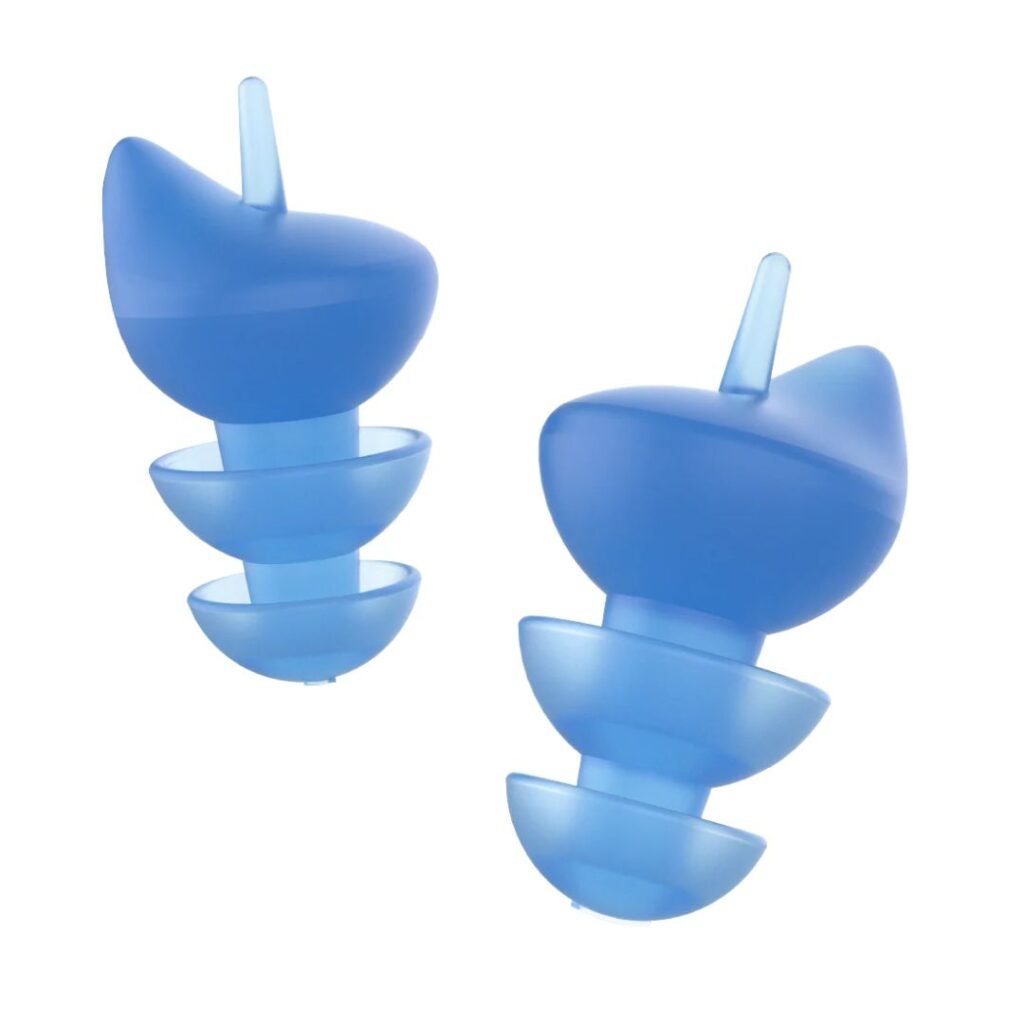
Air travel can be exciting, but it often comes with discomfort caused by cabin noise, pressure changes, and limited sleep quality. Many frequent travellers now rely on earplugs to make flights more comfortable and less stressful. In fact, aeroplane earplugs are designed specifically to reduce noise levels and help the ears adjust to pressure changes during takeoff and landing, making the journey significantly more manageable.
These small devices are becoming an essential travel accessory for passengers who want to sleep better, reduce fatigue, and protect their hearing during flights.
What Are Aeroplane Earplugs?
Aeroplane earplugs are specially designed ear protection tools that differ from standard foam or silicone plugs. They are engineered to handle both loud cabin noise and rapid air pressure changes that occur during flights.
Unlike regular earplugs that only block sound, aeroplane-specific versions often include filters that help regulate airflow in the ear canal. This helps reduce discomfort caused by pressure imbalance, commonly known as “aeroplane ear.”
They are particularly useful during:
- Takeoff
- Landing
- Long-haul flights
- Noisy cabin environments
Why Cabin Noise Affects Sleep?
One of the biggest challenges during air travel is the constant background noise inside the cabin. Engine sounds, airflow systems, and passenger movement can create an environment that makes sleep difficult.
Studies show that aircraft cabins can reach noise levels similar to heavy urban traffic or even higher during takeoff phases.
This persistent noise can:
- Disrupt sleep cycles
- Increase fatigue after travel
- Reduce relaxation during flights
- Cause stress in sensitive passengers
This is where aeroplane earplugs become highly effective in improving comfort.
Benefits of Aeroplane Earplugs
1. Pressure Relief During Flight
One of the most important advantages of aeroplane earplugs is their ability to reduce discomfort caused by pressure changes. The built-in filter systems allow gradual air movement, helping the ears adjust naturally.
This reduces:
- Ear popping sensation
- Sharp pain during landing
- Post-flight blocked ear feeling
2. Noise Reduction Without Full Isolation
Unlike traditional earplugs that block all sound, aeroplane versions reduce harmful noise while still allowing important sounds like announcements to be heard.
This balanced approach ensures:
- Better sleep quality
- Awareness of surroundings
- Reduced cabin disturbance
3. Improved Sleep Quality
A major reason travellers use aeroplane earplugs is to sleep better on flights. By reducing both noise and discomfort, they create a more peaceful environment that supports rest, especially during long journeys.
Silicone Ear Plugs for Sleeping and Travel Comfort
Many travellers also prefer silicone earplugs for sleeping because they are soft, reusable, and comfortable for long wear.
These earplugs are designed to:
- Fit the ear canal comfortably
- Reduce pressure from hard materials
- Provide moderate noise blocking
- Works well for side sleepers
Silicone options are especially popular because they mould slightly to the ear shape, creating a gentle seal without causing irritation during long flights or overnight use.
However, proper hygiene is important, as reusable earplugs need regular cleaning to prevent earwax buildup or irritation.
How to Use Earplugs Effectively on Flights?
To get the best results from aeroplane earplugs, proper usage is essential:
- Insert them before takeoff and landing
- Ensure a snug but comfortable fit
- Choose the correct size for your ear canal
- Clean reusable plugs regularly
- Replace disposable ones when needed
Correct usage improves both comfort and effectiveness during travel.
Choosing the Right Earplugs for Travel
When selecting earplugs for flying, consider:
Noise Reduction Level
Too much blocking can isolate you, while too little reduces effectiveness.
Comfort
Long flights require soft and ergonomic designs.
Pressure Control
For frequent flyers, pressure-regulating features are important.
Material
Silicone options are often preferred for comfort, while foam offers stronger noise blocking.
Conclusion
Air travel comfort depends heavily on managing noise and pressure changes effectively. Combined with silicone earplugs for sleeping, passengers can achieve better rest, reduced discomfort, and a more relaxed journey. Earplugs offer a practical solution by reducing cabin noise and helping the ears adapt to altitude shifts, improving the overall travel experience.
