

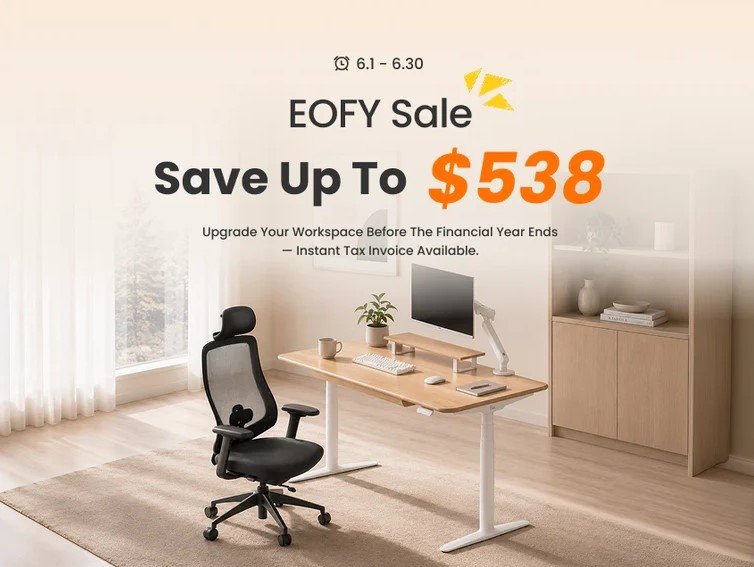
Working from home sounded comfortable at first, but after a few months I started noticing the downside. Long hours on a regular chair, constant back stiffness, and that mid-afternoon energy crash became part of my daily routine. I didn’t think much about it until it started affecting my focus and productivity.
That’s when I decided to rethink my workspace completely and invest in a standing desk setup that could support healthier work habits.
Why I Started Looking for a Standing Desk
My main issue was simple. I was sitting too long without movement. Even when I tried to correct my posture, it never lasted more than an hour. I needed something that would naturally encourage me to change positions throughout the day.
I started researching ergonomic office setups and kept seeing one consistent recommendation: alternate between sitting and standing. That led me to explore adjustable desks designed for home offices, especially those that could handle long working hours without feeling unstable or complicated.
At this point, I came across the 9amHome stand up desk, which immediately caught my attention because of its clean design and practical features for home use.
Choosing the Right Desk for My Home Office
I didn’t want something overly complicated or industrial-looking. My workspace is part of my living room, so design mattered just as much as functionality. I was looking for something stable, quiet during height adjustments, and easy to set up.
The 9amHome collection stood out because it focused on home-friendly standing desks that didn’t feel bulky. I also liked that the designs were minimal, which helped it blend into my space without making the room feel crowded.
Before ordering, I considered a few important factors:
- Height adjustability range
- Stability while typing or writing
- Motor noise level
- Desk surface space for dual monitors and accessories
- Overall design fit for a small room
After comparing options, I decided to go with a model from 9amHome because it checked all the practical boxes without overcomplicating things.
First Week Using the Standing Desk
The first few days felt a bit unusual. I was so used to sitting that standing while working required some adjustment. I started slow, alternating between sitting for 45 minutes and standing for 20 minutes.
What surprised me most was how quickly I adapted. By the end of the first week, I naturally started standing more without forcing it.
My energy levels during the day also felt more stable. Instead of hitting a slump in the afternoon, I could stay focused longer and move around more freely.
The desk height adjustment was smooth, which made switching positions feel effortless rather than disruptive. That small detail made a big difference because I didn’t feel like I was interrupting my workflow.
How It Changed My Daily Productivity
After using the standing desk for a few weeks, I noticed changes that went beyond posture.
First, I moved more during the day. Even small movements like shifting weight or stepping away from the desk became more natural. That helped reduce stiffness in my lower back and shoulders.
Second, my focus improved. Standing made me feel more alert during tasks like writing, planning, and reviewing content. I found myself getting through work faster without feeling mentally drained.
Third, my breaks became more intentional. Instead of sitting continuously, I started taking short walking breaks, which helped reset my attention.
The overall effect wasn’t dramatic in a single day, but over time it became clear that my workflow was healthier and more balanced.
Health Benefits I Noticed Over Time
I didn’t expect immediate physical changes, but a few weeks in, I started noticing improvements.
My back pain reduced significantly. I also felt less tightness in my neck, especially after long writing sessions. Standing occasionally helped distribute pressure more evenly throughout the day.
Another benefit was reduced fatigue. Sitting for long hours often made me feel sluggish, but alternating positions helped me maintain better energy levels.
It wasn’t about standing all day. It was about movement and balance, which made a bigger difference than I expected.
Setting Up a Comfortable Home Office
If you are considering a standing desk, setup matters just as much as the desk itself. I made a few adjustments that helped improve my experience:
- Positioning the monitor at eye level to avoid neck strain
- Using an anti-fatigue mat for standing periods
- Keeping essential items within easy reach
- Organizing cables to avoid clutter
- Adjusting lighting to reduce screen strain
These small changes made my workspace more comfortable and easier to use for long hours.
Who This Setup Works Best For
Based on my experience, a standing desk setup is especially useful if you:
- Work long hours on a computer
- Experience back or neck discomfort
- Want to improve focus and daily movement
- Prefer a flexible workspace that adapts to your routine
- Work from a small home office or shared space
It’s not about replacing sitting completely. It’s about having the option to switch positions whenever your body needs it.
My Overall Experience with 9amHome
What I appreciated most about my experience with 9amHome is that the desk didn’t feel like a complicated upgrade. It felt like a simple improvement that fit naturally into my daily routine.
The build quality, smooth adjustment system, and clean design made it easy to integrate into my workspace without stress or learning curves. Over time, it became one of the most useful parts of my home office setup.
I still switch between sitting and standing throughout the day, but now I do it without thinking. It has become part of how I work, not something extra I have to manage.
The change didn’t just improve my workspace, it improved how I approach my workday overall.
