

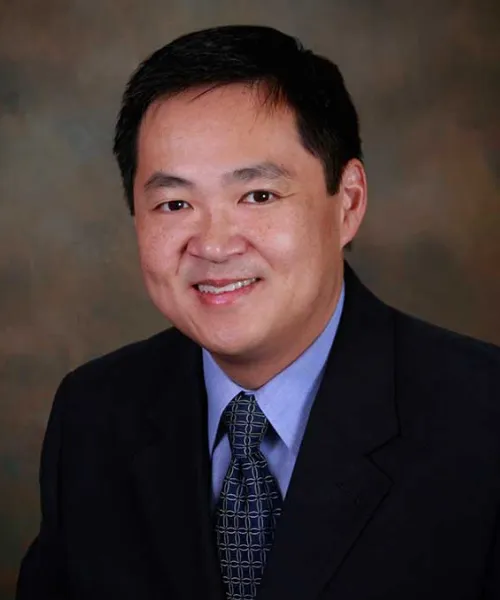
Vascular health plays a major role in maintaining proper blood circulation and preventing serious medical complications. Conditions affecting arteries and veins can lead to discomfort, mobility issues, and increased health risks when left untreated. Many patients seek experienced vascular surgeons who understand both traditional and minimally invasive treatment methods. Dr luh in Las Vegas has become widely recognized for experience in vascular surgery, advanced treatment techniques, and patient-focused care in Nevada. His background in vascular procedures and long-term involvement in the medical community have contributed to advancements in vascular treatment across the region.
Understanding the Importance of Vascular Care
The vascular system is responsible for transporting blood throughout the body. Problems in arteries or veins can impair circulation and increase the risk of conditions such as peripheral artery disease, aneurysms, varicose veins, and blood clots.
Early diagnosis is essential because untreated vascular disease may lead to severe complications over time. Many vascular conditions develop gradually, making regular medical evaluations important for long-term health management.
Specialized vascular surgeons often use advanced imaging tools and minimally invasive procedures to diagnose and treat circulation-related problems more effectively. The field of vascular surgery continues to evolve with new treatment technologies that improve recovery time and patient outcomes.
Educational Background and Surgical Training
One reason Dr. Luh in Las Vegas is recognized in the vascular field is his extensive medical education and surgical training. According to available provider information, Dr. Eddy H. Luh graduated from Cornell University before earning his medical degree from the University of Vermont College of Medicine. He later completed surgical training in Nevada and pursued vascular surgery training at Baylor College of Medicine under renowned cardiovascular surgeon Dr. Michael E. DeBakey.
This combination of academic education and advanced surgical training provided experience in both general and vascular surgery techniques. Specialized training allows vascular surgeons to perform complex procedures involving arteries, veins, and blood vessels with greater precision.
Advancements in Minimally Invasive Procedures
Modern vascular treatment increasingly focuses on minimally invasive techniques that reduce recovery time and improve patient comfort. Procedures such as endovascular repair, angioplasty, and catheter-based interventions have changed how vascular disease is managed.
Reports indicate that Dr. Luh in Las Vegas has helped introduce several advanced vascular procedures in Nevada, including Transcarotid Artery Revascularization (TCAR) and other specialized endovascular treatments.
Minimally invasive procedures often involve smaller incisions, less postoperative discomfort, and shorter hospital stays compared to traditional surgery. These advancements continue to improve treatment options for patients dealing with vascular disease.
The Growing Role of Technology in Vascular Surgery
Technology continues to transform vascular healthcare through advanced imaging systems, surgical devices, and diagnostic equipment. Modern vascular surgery now relies heavily on precision-guided procedures that improve treatment accuracy.
Advanced imaging techniques help surgeons identify circulation problems earlier and create more effective treatment plans. Robotic-assisted systems and catheter-based procedures are also helping reduce complications during vascular interventions
The work associated with Dr. Luh in Las Vegas reflects broader trends in vascular medicine, where innovation and specialized technology continue to shape patient care and surgical outcomes.
Importance of Early Detection for Vascular Disease
Recognizing early symptoms of vascular disease can help prevent more serious complications. Common warning signs may include leg pain, swelling, numbness, skin discoloration, or visible vein enlargement.
Risk factors such as smoking, diabetes, high blood pressure, obesity, and family history can increase the likelihood of vascular problems. Routine medical evaluations and diagnostic screenings help identify circulatory issues before they progress.
Conclusion
Vegas Vascular Specialists continues to advance vascular treatment and minimally invasive surgical care in Nevada. The growing use of innovative procedures, modern imaging technologies, and specialized vascular expertise has improved treatment possibilities for patients dealing with circulation-related conditions. Through surgical experience, leadership involvement, and ongoing advancements in vascular medicine, specialists in this field continue helping improve patient outcomes and long-term vascular health.
