

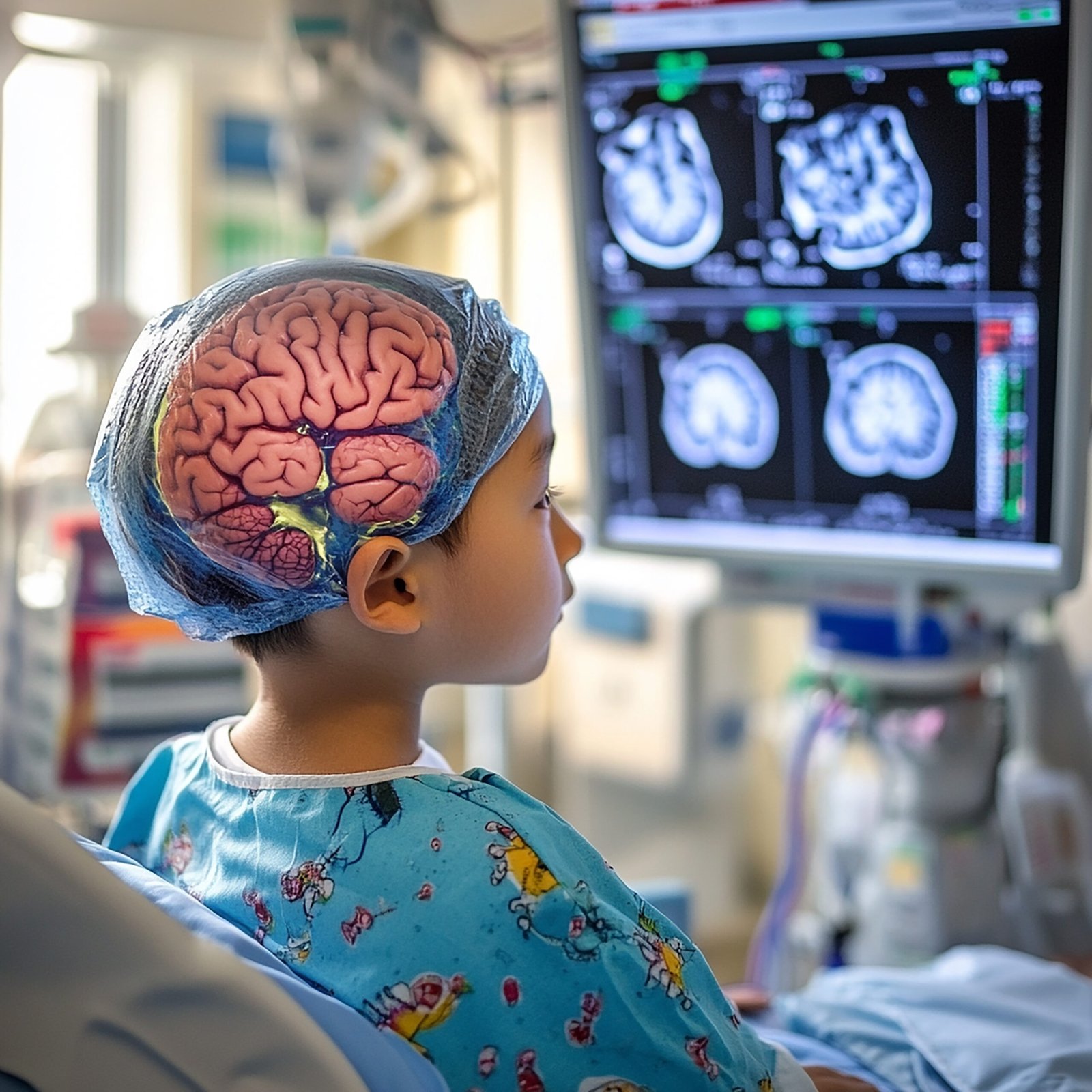
As a parent, you’re going to be worried when your child has unusual symptoms involving the brain, spine or nervous system. Many childhood health problems can be treated with regular medical care, but some problems require specialized care. Early recognition of warning signs can help you get your child the right care at the right time.
When families seek advanced care at the best pediatric hospital in Chennai, they often find themselves in the care of a team that includes pediatric specialists, neurologists, and neurosurgeons working together to support a child’s health and development.
What Does a Pediatric Neurosurgeon Do?
A pediatric neurosurgeon is a doctor who specializes in diagnosing and treating problems involving a child’s brain, spine and nervous system. These specialists treat conditions that are present at birth as well as problems that develop later in childhood.
Not all neurological symptoms require surgery. In many cases the first evaluation of a child is done by a pediatric neurologist in Chennai who may refer the child for further evaluation by a pediatric neurosurgeon, if surgery is required.
Get medical help if you have headaches with:
Causes of unexplained vomiting
Visual disturbances
Trouble walking
Behavioral changes
Seizures
These symptoms may be caused by increased pressure inside the brain or another neurological problem that needs further investigation.
Seizures or Unexplained Events
Seizure = an abnormality of electrical activity in the brain. Some seizures are easy to recognize and involve shaking movements. Others may look like staring spells, confusion, or brief periods of unresponsiveness.
If your child has his or her first seizure, it is important that he or she be seen by a doctor. Most seizure disorders are treated with medicine, but some may need surgery. A pediatric neurosurgeon can help determine if surgery may be helpful in controlling seizures and improving quality of life.
Developmental delay
Every child grows in their own way. If a child is considerably slower than their peers in reaching developmental milestones, it could be an indicator of a neurological problem.
Signs to watch for include:
Late Walking
Trouble with balance and coordination
Speech delay
Arm or leg weakness
Poor muscle coordination
These symptoms may be associated with conditions that affect the brain or spinal cord. Early diagnosis can really change the course of treatment and long-term development.
Increased Head Size in Babies
During the first years of life the head of a baby develops naturally. But rapid or excessive head growth could be a sign of hydrocephalus, a condition where fluid builds up inside the brain.
Possible signs include:
A very large head
The soft spot on the head (bulging soft spot)
Irritability
Vomiting Poor feeding
Sleepy
Hydrocephalus often requires special treatment, and sometimes surgery to relieve pressure and protect the brain’s function.
Loss of coordination or weakness
Children who suddenly develop weakness in the arms or legs should be evaluated promptly. Trouble walking , falling repeatedly , or losing coordination may be signs of a neurological problem involving the brain , spinal cord , or nerves .
If your child has the following, parents should seek medical advice:
Muscle weakness that cannot be explained
Changes of Balance
trouble holding things
One foot dragging as you walk,
Constant numbness or tingling
These symptoms could be signs of conditions that require a comprehensive neurological evaluation.
Neurological Deficit in Back Pain
Occasional back pain can be present in active children but persistent back pain is less common and should be paid attention to especially when associated with neurological symptoms.
The warning signs are:
Chronic pain that gets worse over time
Weakness of the legs
Difficulty walking.
Changes in bowel or bladder habits.
The spine is curved abnormally
Such symptoms may be related to abnormalities of the spinal cord requiring specialist evaluation.
Head Injuries and Trauma
Children are naturally active and bumps and falls come with their lives. Most minor injuries will heal without complication, however, some head injuries require urgent medical attention.
If your child has: Take him or her to urgent care
Blackout
continuous vomiting
– Severe headache
Confusion
Extreme drowsiness
Post head injury seizures
If there’s concern about bleeding, swelling, or structural damage inside the brain, a pediatric neurosurgeon might be consulted.
Congenital Brain and Spine Disorders
Certain children are born with conditions that affect the brain or spinal cord. They can be detected during pregnancy, at birth, or in childhood.
Some examples are:
Spina bifida
Craniosynostosis
Malformations: Chiari
Cord tethering
Water on the brain (hydrocephalus)
If many of these conditions are diagnosed early and treated in a timely manner, it can help to support healthy growth and development.
Changes in Vision and Eye Problems
Sometimes vision problems can be related to neurological problems, not eye problems.
Parents should look for symptoms such as:
Double vision
Loss of sight, cause unknown
Crossed eyes (strabismus)
Irregular eye movement
difficulty concentrating
These symptoms can be indicative of increased pressure in the brain or other neurological problems that need to be looked at further.
Behavior or personality changes
Sometimes a child’s sudden changes in behavior, mood or personality are connected to neurological conditions.
Signs such as require medical attention:
Strange irritability
Memory issues
Trouble concentrating
Sudden drop in school performance
Changes in sleep habits
These symptoms have many causes but persistent or worsening changes should not be ignored.
When to Seek Medical Advice?
“Parents know their children better than anyone else. If something doesn’t seem right, or if symptoms continue after treatment, it’s always best to get a professional evaluation.
In many instances, pediatric neurologists in Chennai may conduct the initial evaluation and may suggest imaging studies or additional tests.
Concluding Thoughts
Children’s neurological diseases can manifest in many different ways, including headaches, seizures, developmental delays and coordination issues. Early recognition of these warning signs enables families to obtain appropriate medical care before complications ensue.
Timely evaluation and treatment can improve outcomes, support healthy development, and help children lead active, fulfilling lives. When your child has persistent neurological symptoms, consulting with experienced pediatric specialists can help provide clarity, reassurance and the care that your child needs for their well-being.
