

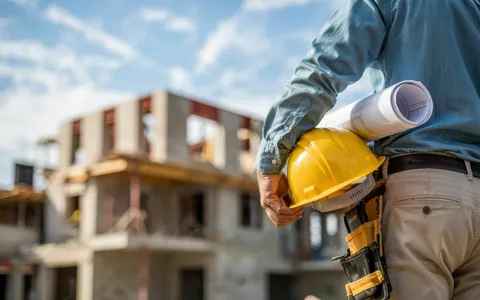
General Contractors play a central role in ensuring that residential and commercial projects are completed efficiently, safely, and in accordance with building standards. They act as the main point of contact throughout the construction process, managing labor, materials, timelines, and communication between all involved parties. By overseeing every phase of development, General Contractors help transform architectural plans into fully functional structures while maintaining quality and consistency across all stages of work.
Core Responsibilities in Construction Projects
The responsibilities of General Contractors extend across multiple areas of a construction project. They are tasked with organizing subcontractors, scheduling work phases, and ensuring compliance with local building codes and regulations. General Contractors in Baton Rouge also handle procurement of materials and monitor project budgets to prevent unnecessary cost overruns. Their role requires strong coordination skills, as they must align the efforts of electricians, plumbers, carpenters, and other specialized trades.
Importance in Residential Construction
In residential construction, General Contractors are essential for turning design concepts into livable homes. Whether constructing new houses or managing home additions, they ensure that every detail meets structural and aesthetic requirements. General Contractors work closely with homeowners and architects to align expectations and deliver results that match the planned vision. They also ensure that all safety standards and residential building codes are met during each phase of construction. By managing timelines and supervising on-site work, General Contractors help homeowners achieve durable, functional, and well-designed living spaces.
Role in Commercial Development Projects
Commercial construction projects require a higher level of coordination due to their scale and complexity. General Contractors oversee these projects by managing multiple teams, ensuring regulatory compliance, and maintaining strict schedules. From office buildings to retail spaces and industrial facilities, General Contractors are responsible for delivering functional and efficient structures that meet business needs. They also manage risk by anticipating potential delays and resolving issues before they escalate. Through careful planning and execution, General Contractors ensure that commercial developments are completed on time and within budget while maintaining high construction standards.
Renovation and Remodeling Expertise
Renovation projects require specialized knowledge of existing structures and how to improve them without compromising stability. General Contractors evaluate current building conditions and determine the best approach for upgrades or modifications. This may include structural repairs, interior redesign, or system improvements such as electrical and plumbing updates. General Contractors coordinate all aspects of renovation work to ensure seamless integration between old and new construction. Their expertise allows property owners to modernize spaces efficiently while preserving safety, functionality, and long-term durability.
Project Management and Coordination
Effective project management is one of the most important aspects of the role of General Contractors. They are responsible for creating detailed schedules, managing budgets, and ensuring that each phase of construction is completed according to plan. General Contractors also serve as communication hubs, connecting clients, engineers, architects, and subcontractors. This coordination minimizes misunderstandings and ensures that all parties are aligned with project goals. By maintaining structured oversight, General Contractors reduce inefficiencies and improve the overall quality of construction outcomes.
Ensuring Quality and Compliance
Quality control and regulatory compliance are critical responsibilities for General Contractors. They must ensure that all work meets industry standards and follows local building regulations. General Contractors conduct regular site inspections to verify that materials and workmanship meet required specifications. They also address any issues that arise during construction to prevent long-term structural problems. By maintaining strict quality control processes, General Contractors help ensure that completed projects are safe, durable, and built to last.
Conclusion
The role of General Contractors is essential in the construction industry, as they bring together planning, coordination, and execution into a unified process. From residential homes to large-scale commercial developments, General Contractors ensure that projects are completed efficiently, safely, and according to design specifications. Their ability to manage teams, control budgets, and maintain compliance makes them indispensable in modern construction. By relying on skilled General Contractors, property owners and developers can achieve high-quality results that stand the test of time while meeting both functional and aesthetic goals.
