

Healthcare access remains a challenge for millions of Americans. Long travel distances, provider shortages, packed schedules, and mobility limitations often create barriers to receiving timely medical attention. Telehealth services address these concerns by bringing healthcare directly to patients through digital platforms.
The rise of online medical care has transformed how people connect with healthcare professionals. Instead of delaying treatment due to inconvenience or distance, patients now receive guidance and support from licensed providers without leaving home. This shift improves accessibility while helping individuals stay proactive about their health needs.
Breaking Geographic Barriers in Healthcare Access
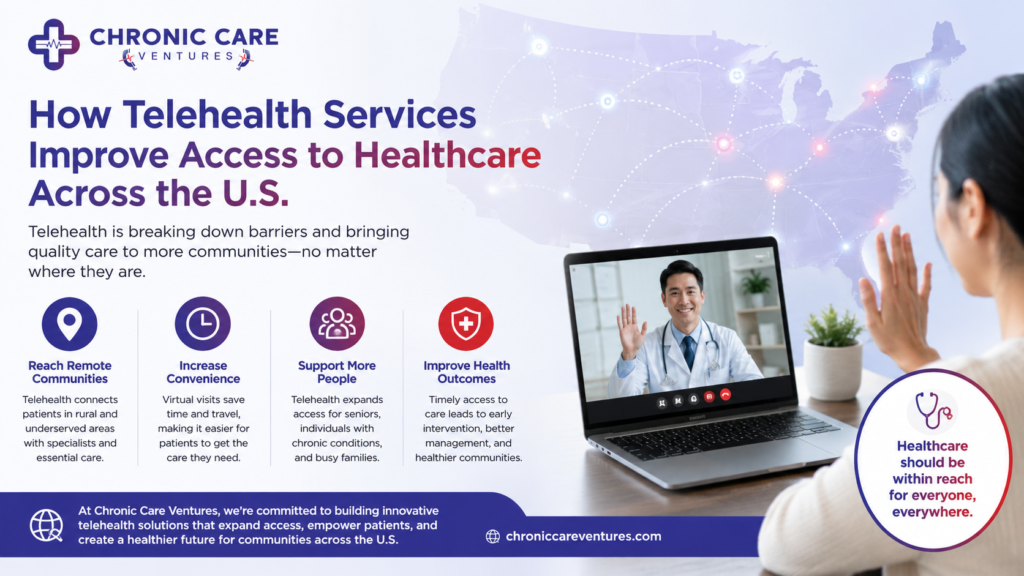
Many communities across the United States experience limited access to healthcare facilities. Rural areas, in particular, face shortages of specialists and primary care providers. Residents often travel long distances for routine consultations, which adds financial and logistical burdens.
Telehealth bridges this gap by making online medical visit options available regardless of location. Patients living in remote regions gain access to healthcare professionals through secure virtual platforms. This approach reduces travel demands and allows individuals to receive timely medical guidance.
Healthcare equity improves when location no longer dictates access to care. Telehealth creates opportunities for patients who previously faced significant challenges in obtaining medical support.
Supporting Individuals with Mobility Challenges
Physical limitations create another barrier to healthcare access. Older adults, individuals recovering from surgery, and those managing chronic conditions may struggle with transportation or mobility concerns.
Through online medical care, these individuals receive healthcare support from familiar environments. Virtual consultations reduce physical strain associated with traveling to healthcare facilities. Patients maintain regular communication with providers while preserving independence.
Caregivers also benefit from telehealth services. Coordinating appointments often becomes easier when consultations occur remotely. Families gain flexibility while ensuring loved ones receive necessary attention.
Reducing Wait Times for Non-Emergency Concerns
Traditional healthcare settings often involve extended waiting periods for appointments. Patients seeking help for minor illnesses or general health concerns may postpone care due to scheduling challenges.
An online medical visit offers a practical alternative for addressing non emergency issues promptly. Individuals experiencing seasonal allergies, digestive discomfort, minor skin concerns, or respiratory symptoms gain quicker access to professional guidance.
Timely intervention supports better health outcomes. Early conversations with healthcare providers may help patients understand symptoms and determine appropriate next steps before conditions worsen.
Expanding Healthcare Access for Working Professionals
Busy schedules frequently interfere with healthcare priorities. Many professionals postpone appointments because of demanding work commitments or limited clinic hours.
The flexibility associated with online medical care allows individuals to fit healthcare consultations into their routines more easily. Virtual appointments eliminate commuting time and minimize disruptions to daily responsibilities.
This convenience encourages patients to seek medical guidance without sacrificing productivity. Maintaining consistent healthcare habits becomes more achievable when services align with modern lifestyles.
Improving Chronic Condition Management
Managing chronic illnesses often requires ongoing communication with healthcare providers. Conditions such as hypertension, diabetes, asthma, and thyroid disorders benefit from regular monitoring and follow up discussions.
An online medical visit supports continuity of care by facilitating routine check ins. Patients discuss symptom changes, medication concerns, and lifestyle adjustments from home.
Consistent engagement helps individuals stay informed about their health status. Telehealth strengthens collaborative relationships between patients and providers, supporting long term disease management efforts.
Enhancing Healthcare Access for Older Adults
Older adults frequently manage multiple health concerns while navigating transportation difficulties or mobility limitations. Routine appointments may become stressful and time consuming.
Access to online medical care offers a more convenient approach for seniors seeking non emergency support. Virtual consultations simplify communication with healthcare professionals while reducing unnecessary travel.
Family members often gain peace of mind knowing their loved ones maintain access to medical guidance. Telehealth provides an additional layer of support for aging populations striving to preserve independence.
Supporting Mental and Emotional Well Being
Mental health remains an essential component of overall wellness. Stress related concerns, sleep disturbances, and emotional challenges affect individuals across all age groups.
Telehealth expands opportunities for discussing these issues through private and convenient online medical visit experiences. Patients may feel more comfortable engaging in conversations from familiar surroundings.
Improved accessibility encourages individuals to seek support earlier. Addressing concerns promptly contributes to better emotional health and overall quality of life.
Encouraging Preventive Healthcare Practices
Preventive care plays an important role in maintaining long term wellness. Yet many people postpone routine health discussions due to inconvenience or competing responsibilities.
The availability of online medical care supports proactive healthcare engagement. Patients gain opportunities to discuss wellness goals, lifestyle habits, and emerging symptoms before they develop into larger concerns.
Preventive conversations help individuals make informed decisions regarding nutrition, exercise, stress management, and other health related behaviors. Small actions often lead to meaningful improvements over time.
Increasing Healthcare Accessibility During Peak Seasons
Seasonal illnesses frequently place pressure on healthcare systems. During periods of increased demand, securing timely appointments may become more challenging.
An online medical visit provides an additional avenue for patients seeking guidance regarding cold symptoms, flu concerns, allergies, or minor infections. Virtual consultations help distribute healthcare resources more efficiently.
Patients benefit from quicker access to professional recommendations while avoiding crowded waiting rooms. This approach supports both individual convenience and broader healthcare system efficiency.
Reducing Financial and Time Related Burdens
Healthcare appointments often involve indirect costs beyond consultation fees. Transportation expenses, childcare arrangements, and time away from work contribute to overall healthcare burdens.
Through online medical care, patients reduce many of these logistical challenges. Virtual consultations eliminate commuting requirements and simplify appointment attendance.
Improved efficiency allows individuals to prioritize health without unnecessary disruptions to personal or professional responsibilities. Accessible healthcare solutions promote stronger patient engagement.
Strengthening Patient Empowerment Through Technology
Technology continues to reshape patient experiences within healthcare environments. Telehealth platforms provide convenient communication channels that encourage active participation in health management.
An online medical visit empowers patients to ask questions, seek clarification, and engage more consistently with healthcare providers. Increased accessibility often leads to stronger understanding and greater confidence in healthcare decisions.
Patients who remain involved in their care journey frequently experience improved satisfaction and adherence to recommended guidance.
Addressing Healthcare Provider Shortages
Healthcare workforce shortages affect numerous communities across the United States. Limited provider availability often delays access to essential medical services.
The expansion of online medical care helps extend provider reach beyond traditional geographic limitations. Telehealth supports broader access by connecting patients with licensed professionals through secure digital platforms.
This model contributes to more efficient healthcare delivery while helping underserved populations receive timely support.
The Future of Accessible Healthcare
Telehealth continues to evolve as an important component of modern healthcare delivery. Advancements in technology, growing patient acceptance, and expanding service availability strengthen its role in improving access across the country.
The integration of online medical visit services into everyday healthcare routines reflects changing patient expectations. Convenience, flexibility, and accessibility remain priorities for individuals seeking quality healthcare experiences.
As healthcare systems adapt to evolving needs, telehealth stands as a valuable resource for reducing barriers and promoting more inclusive access to medical support.
Conclusion
Healthcare access should not depend on geography, mobility, or demanding schedules. Telehealth services create practical solutions that connect individuals with healthcare professionals when support is needed most.
The growing availability of online medical care and online medical visit options continues to reshape healthcare experiences across the United States. By improving convenience, expanding reach, and supporting proactive health management, telehealth contributes to a more accessible and patient centered future for healthcare.
