

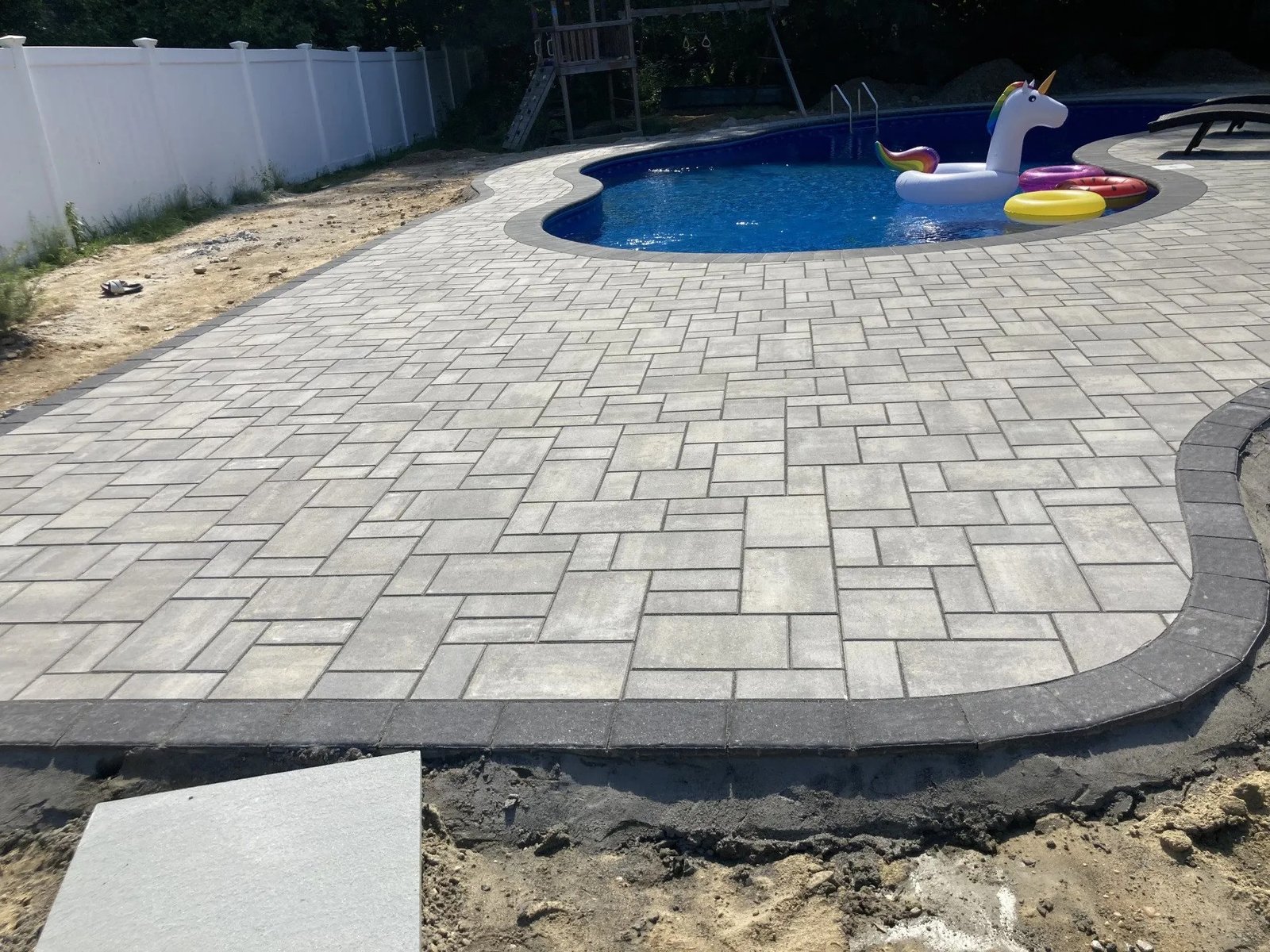
Stony Brook’s hilly terrain and proximity to wooded areas often create drainage and erosion challenges for homeowners. A professionally installed retaining wall stabilizes sloped ground, prevents soil loss, and opens up new possibilities for usable yard space. For homeowners exploring Retaining Walls Stony Brook solutions, the first step is identifying where erosion or grading issues are most pressing.
Site Evaluation Comes First
Every successful retaining wall project starts with evaluating the property’s soil composition, slope angle, and natural water flow. These factors determine wall height, placement, and the type of reinforcement needed. Skipping this step often leads to walls that underperform or fail prematurely.
Material Choices Suited to the Area
Natural stone, segmental block, and boulder walls each suit different property styles. Natural stone blends well with Stony Brook’s wooded, natural surroundings, while segmental block offers a cleaner, more uniform look for properties with a more manicured aesthetic. Material choice should reflect both function and the home’s overall style.
Why Drainage Cannot Be an Afterthought
Water trapped behind a retaining wall creates pressure that, over time, leads to bulging, cracking, or collapse. Gravel backfill, perforated drainage pipes, and weep holes allow water to escape safely. This system is largely invisible once finished but is essential to the wall’s long-term performance.
Footings and Foundation Depth
The footing beneath a retaining wall supports the entire structure above it. Proper excavation depth and compaction prevent settling, while taller walls require deeper, more substantial footings calculated based on expected loads and soil conditions.
Permitting Considerations for Taller Walls
Walls above certain heights often require permits and may need to meet specific engineering standards. Working with a contractor familiar with local requirements helps avoid delays and ensures the finished structure meets code from the start.
Design Elements That Add Value
Retaining walls can be more than functional. Terraced levels, integrated planting beds, and stone facades that match other hardscape features turn a structural necessity into a landscape highlight that adds visual interest to the property.
What the Installation Process Looks Like
Installation begins with excavation and base preparation, followed by careful placement of each course with attention to leveling and backfilling. The final steps include capping the wall and grading the surrounding area, resulting in a finished structure built to last for decades.
