

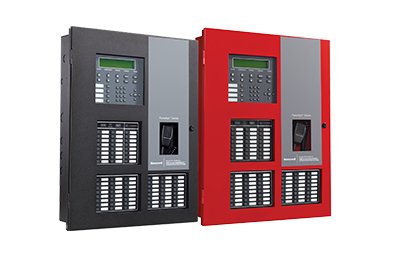
As India continues to witness rapid urban development, fire safety has become a critical component of modern infrastructure planning. Residential communities, commercial complexes, educational institutions, healthcare facilities, and industrial environments are increasingly prioritising preventive safety measures to protect lives, assets, and business continuity.
Today, fire protection extends far beyond emergency response equipment. Building owners and facility managers are investing in intelligent detection technologies capable of identifying threats at the earliest possible stage. This growing focus on prevention is encouraging greater awareness about the benefits of smoke detectors and their role in creating safer living and working environments.
Early Detection Remains the First Line of Defence
Industry safety experts consistently emphasise that the speed of detection often determines the severity of a fire incident. The earlier a potential threat is identified, the greater the opportunity to minimise damage and ensure safe evacuation.
A modern fire smoke detector continuously monitors environmental conditions and can quickly recognise smoke particles associated with developing fire hazards. Rather than waiting for flames to spread, these systems provide immediate alerts that enable faster emergency action.
For homeowners, this additional response time can help prevent extensive property loss. For businesses, it can reduce operational disruptions, protect critical equipment, and improve occupant safety.
As Indian cities become denser and buildings more complex, understanding the benefits of smoke detectors is becoming increasingly important for responsible property management.
How Fire Detection Technology Has Evolved
Fire detection systems have advanced significantly over the last decade. Earlier technologies often struggled with delayed notifications or unnecessary false alarms, creating challenges for property managers and occupants.
Today’s advanced fire detector sensor solutions are designed to deliver greater accuracy and reliability through intelligent monitoring capabilities.
Modern systems typically offer:
- Faster identification of smoke-related threats
- Enhanced detection accuracy
- Reduced false alarm occurrences
- Continuous monitoring capabilities
- Automated warning notifications
- Integration with broader building safety systems
These improvements have made fire detection technology suitable for a wide range of applications, including residential buildings, offices, retail spaces, hospitality properties, healthcare facilities, and industrial operations.
Building Safety Is Becoming a Long-Term Priority
Across India, regulators, developers, and facility operators are placing greater emphasis on proactive risk management. Fire safety is increasingly viewed as a fundamental responsibility rather than a compliance checkbox.
Modern infrastructure projects often integrate a fire smoke detector with alarm systems, emergency communication networks, sprinkler systems, and centralised monitoring platforms. This connected approach helps improve emergency coordination while reducing potential risks during critical situations.
At the heart of these systems, an advanced fire detector sensor provides continuous monitoring that supports faster decision-making when every second matters.
Key Factors When Selecting Fire Detection Solutions
Choosing an effective fire protection system requires careful evaluation of both current and future operational needs.
Important considerations include:
- Detection speed and response accuracy
- Reliability under varying environmental conditions
- Ease of maintenance and testing
- Compatibility with existing infrastructure
- Scalability for future expansion
As buildings grow and operational requirements evolve, organisations need systems capable of adapting without requiring extensive redesigns.
The Future of Smart Fire Safety Infrastructure
The rise of intelligent building technologies is reshaping safety management across India. Organisations such as Honeywell Building Technologies India continue to support this transformation through integrated fire protection solutions that combine advanced monitoring, automation, and centralised control.
As awareness grows around the benefits of smoke detectors, adoption is expected to increase across residential, commercial, and industrial sectors. Modern fire smoke detector systems, supported by intelligent fire detector sensor technology, are helping create safer, more resilient environments capable of meeting the demands of India’s rapidly expanding infrastructure landscape.
FAQs
1. What are the benefits of smoke detectors in modern buildings?
The benefits of smoke detectors include early fire warning, faster evacuation, reduced property damage, improved occupant safety, and enhanced compliance with safety regulations.
2. How does a fire smoke detector work?
A fire smoke detector continuously monitors the surrounding environment and activates an alert when smoke particles associated with fire are detected.
3. Why is a fire detector sensor important in fire protection systems?
A fire detector sensor provides continuous monitoring and rapid threat identification, helping occupants and emergency teams respond quickly to potential fire incidents.
