

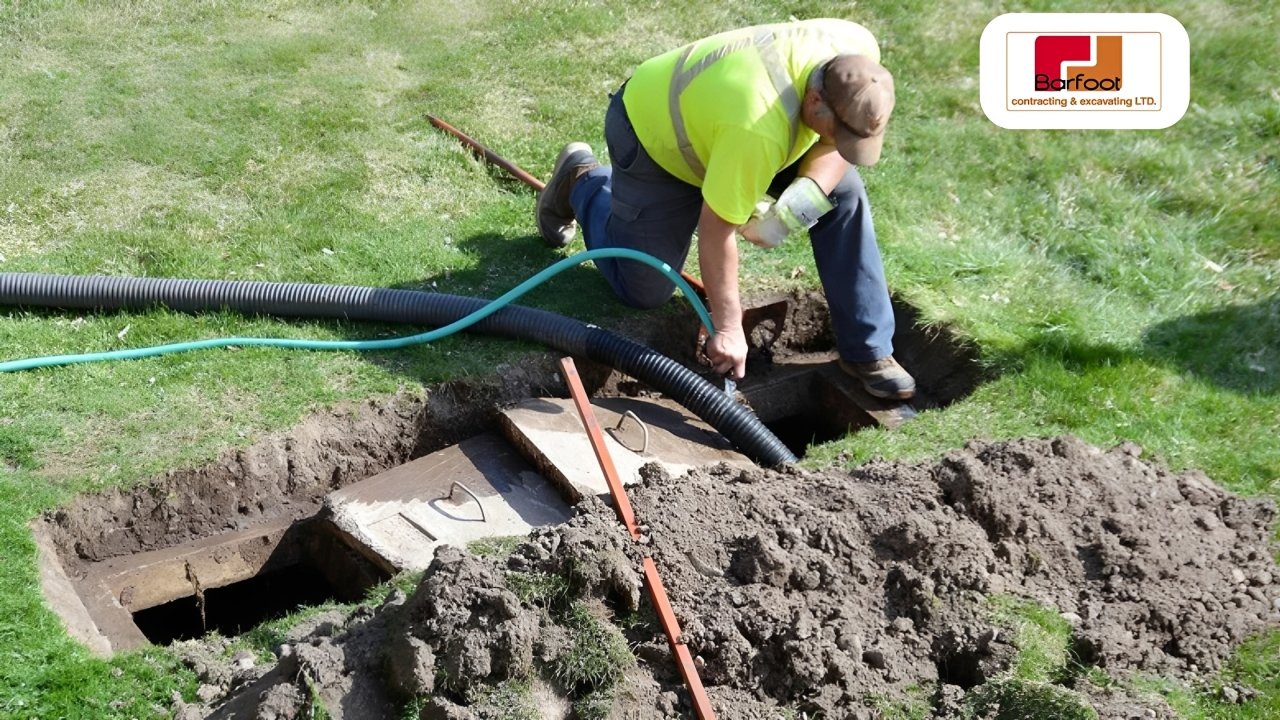
Life on a rural property comes with many benefits. There is more space, less noise, and greater freedom to build the lifestyle you want. Yet one thing that should never be overlooked is wastewater management. A septic system works quietly behind the scenes every day, but its design can affect comfort, maintenance costs, and property value for years to come.
That is why careful planning is so important. Good septic system designs are not simply about placing a tank underground. They are about creating a system that matches the property, supports daily needs, and continues working properly for the long term.
Before moving forward with installation, several important factors deserve attention.
Look at the Property First
Every piece of land is different. What works well on one rural property may not work well on another.
The shape of the land, soil conditions, drainage patterns, and available space all play a part. Some properties have flat areas that make installation easier. Others may have slopes or wet spots that need extra planning.
A careful site review helps identify the best location for the septic system. As a result, property owners can avoid future problems and make better use of their land.
Soil Makes a Big Difference
Soil plays a major role in septic system performance. Some soils allow water to move through them easily. Others hold water for longer periods. Because of that, the soil must be tested before any design decisions are made.
Proper soil testing helps determine how wastewater will move through the ground. It also helps decide the size and layout of the drain field.
Without accurate testing, a system may struggle to perform as expected. Therefore, soil evaluation should always be one of the first steps.
Think About Daily Water Use
Every household uses water differently. A small family may produce far less wastewater than a large household with frequent guests. For that reason, the septic system should be designed around actual water usage.
Planning only for current needs may create problems later. Families grow, properties change, and water use often increases over time.
Choosing a system that can handle future demands helps reduce the risk of expensive upgrades later.
Choose the Right System
Not all septic systems are the same. A traditional system may work well on one property. However, another property may require a different setup because of soil conditions or space limitations.
The goal is to find a solution that fits the land and supports reliable wastewater treatment. A system that matches the property’s needs will usually perform better and require fewer repairs over time. Good planning at the start often leads to fewer headaches later.
Leave Space for Maintenance
Every septic system requires routine care. Tanks need pumping from time to time, and inspections help catch small issues before they become larger ones. Because of that, access should always be part of the design process.
Trees, fences, sheds, and other structures should not block important system components. Easy access makes maintenance simpler and can save both time and money. A little planning now can prevent unnecessary trouble later.
Consider Future Property Plans
Many rural property owners have long term goals for their land. Some may plan to build a garage, workshop, guest house, or home addition. Others may want larger outdoor spaces for recreation.
Future projects should be considered before installing a septic system. Otherwise, important areas of the property could become restricted.
Thinking ahead helps keep future options open while protecting the performance of the septic system.
Watch for Warning Signs
No septic system lasts forever. As systems age, signs of wear may begin to appear. Slow drains, unpleasant smells, standing water, and recurring backups should never be ignored.
Addressing small issues early often prevents larger repair bills. In some cases, repairs may solve the problem. In other situations, septic system replacement may be the smarter long term option. Replacing an aging system before a major failure occurs can save both stress and expense.
Think About Weather Conditions
Weather can affect septic performance more than many people expect. Heavy rain can add extra moisture to the soil. Seasonal changes can also affect drainage conditions throughout the year.
For that reason, a system should be designed with local conditions in mind. Proper planning helps the system continue working efficiently during changing weather patterns. A design that accounts for local conditions often delivers better long term results.
Follow Local Rules
Most rural areas have regulations for septic installations. Permit requirements, property setbacks, and inspection standards may all apply. Following these rules helps avoid delays and unexpected costs.
Working with experienced professionals can make the process much smoother. They can help ensure that every step meets local requirements while keeping the project moving forward.
Focus on Long Term Value
Many property owners naturally focus on installation costs. However, long term value matters just as much.
A well planned system may cost more upfront, yet it can reduce maintenance issues and repair expenses later. As a result, the investment often pays off over time.
Choosing quality materials and professional installation can help extend system life and improve overall performance. For most rural properties, reliability is worth the extra attention during the planning stage.
Conclusion
A successful septic system starts with careful planning. Soil conditions, water usage, future property goals, and local regulations all play an important role. Property owners who take time to make informed decisions are more likely to enjoy reliable performance for many years. For those looking for dependable septic system designs, Barfoot Contracting provides practical solutions tailored to rural properties. Their team works closely with clients to create systems that fit their needs, protect their investment, and support long term peace of mind.
