

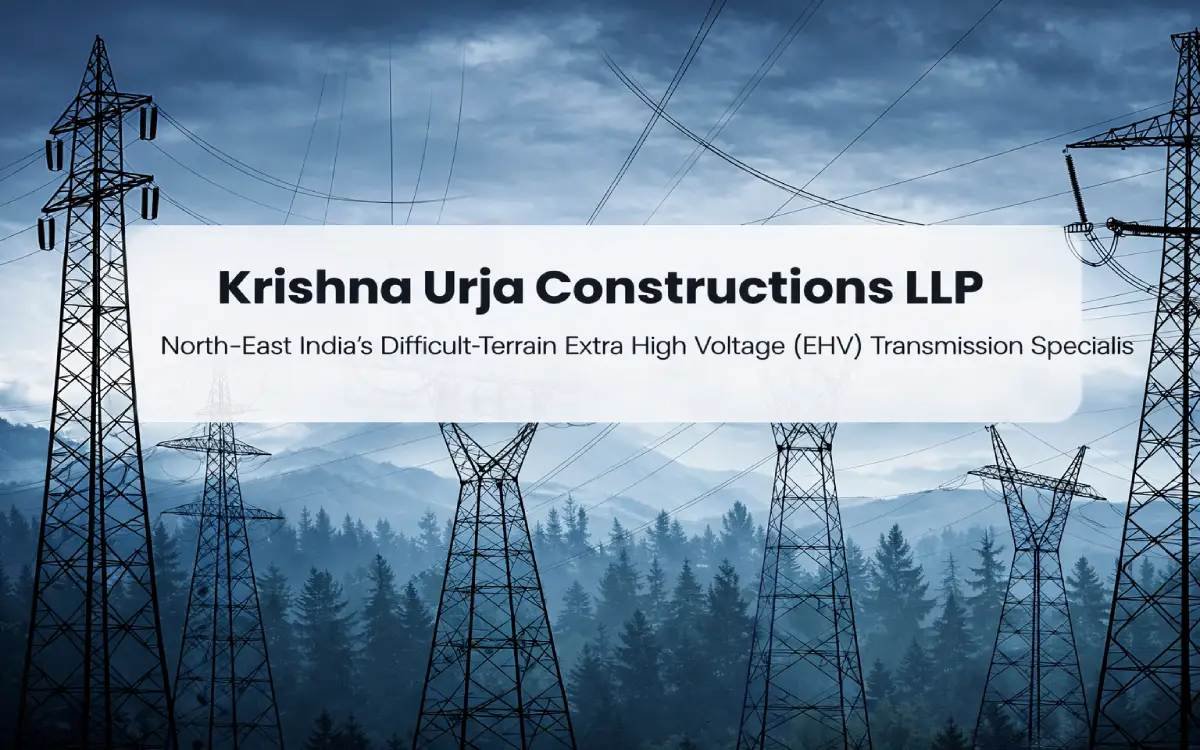
Electricity is one of the most important requirements for modern life. Homes, schools, hospitals, industries, and businesses all depend on a reliable supply of power every day. To make sure electricity reaches consumers safely and efficiently, a strong transmission system is necessary.
The Assam transmission line network plays a vital role in carrying electricity from power generation stations to substations across the state. Without a well-developed transmission infrastructure, it would be impossible to provide stable electricity to cities, towns, villages, and industrial areas.
Assam, located in the northeastern region of India, has seen significant growth in power demand over the years. With increasing urbanization, industrial development, and rural electrification, the need for a reliable transmission network has become more important than ever. The transmission line system acts as the backbone of the electricity sector and ensures uninterrupted power flow throughout the state.
This article explains the importance of Assam’s transmission line network, its components, benefits, challenges, and future developments.
Understanding the Transmission Line Network
A transmission line is a system that carries electricity over long distances from power generation plants to substations. These lines operate at high voltage levels to reduce power losses during transmission.
The transmission network generally includes:
- Transmission towers
- Conductors
- Insulators
- Substations
- Transformers
- Protection systems
Together, these components create a network that helps deliver electricity safely and efficiently to consumers.
Importance of Assam’s Transmission Line Infrastructure
Assam has a diverse geographical landscape that includes plains, forests, rivers, and hilly regions. Supplying electricity across such varied terrain requires a strong transmission system.
The transmission network is important because it:
1. Ensures Continuous Power Supply
A well-connected network helps maintain a stable flow of electricity to residential, commercial, and industrial users. It minimizes disruptions and improves reliability.
2. Supports Economic Growth
Industries require a dependable power supply for smooth operations. A strong transmission network attracts investment and supports economic development.
3. Connects Remote Areas
Many villages and remote regions depend on transmission infrastructure to access electricity. Expansion of transmission lines improves rural electrification.
4. Reduces Power Losses
Modern transmission systems use advanced technology and high-voltage lines to reduce energy losses during transportation.
5. Enables Grid Stability
Transmission networks connect various power sources and substations, helping maintain grid balance and operational stability.
How Electricity Travels Through the Network
The process of electricity transmission involves several stages.
Step 1: Power Generation
Electricity is generated through different sources such as:
- Thermal power plants
- Hydropower stations
- Renewable energy projects
- Gas-based power stations
Step 2: Voltage Increase
Before transmission, transformers increase the voltage level. Higher voltage reduces energy loss during long-distance transportation.
Step 3: Power Transmission
Electricity travels through transmission lines supported by steel towers.
Step 4: Substation Distribution
At substations, transformers reduce voltage levels suitable for local distribution.
Step 5: Consumer Supply
Distribution networks deliver electricity to homes, businesses, schools, hospitals, and industries.
Major Components of the Assam Transmission Network
Transmission Towers
Transmission towers support conductors and keep them safely above the ground. These structures are designed to withstand weather conditions and environmental challenges.
Conductors
Conductors are metallic wires that carry electricity from one point to another. They are selected based on capacity, efficiency, and durability.
Insulators
Insulators prevent electricity from flowing into the supporting tower structure and ensure safety.
Substations
Substations play a crucial role in controlling and distributing electricity. They help regulate voltage levels and improve network reliability.
Transformers
Transformers increase or decrease voltage depending on the transmission and distribution requirements.
Protection Systems
Protection devices detect faults and prevent equipment damage. They help maintain uninterrupted service.
Growth of Power Demand in Assam
Assam has experienced steady growth in electricity consumption due to:
- Population growth
- Urban development
- Expansion of industries
- Commercial infrastructure growth
- Increased household electricity use
- Government electrification programs
As demand increases, transmission infrastructure must also expand to support future requirements.
The development of new transmission lines and substations helps meet rising energy needs across the state.
Role of Transmission Lines in Rural Electrification
One of the major achievements in recent years has been the expansion of electricity access to rural communities.
Transmission lines serve as the foundation for rural electrification by:
- Connecting remote villages
- Supporting agricultural activities
- Improving educational facilities
- Enhancing healthcare services
- Promoting economic opportunities
Reliable electricity improves living standards and contributes to social development.
Supporting Industrial Development
Industries require consistent and high-quality power to maintain production and operations.
The transmission network supports various sectors such as:
Manufacturing
Factories depend on uninterrupted electricity for machinery and equipment.
Oil and Gas
Assam has an important oil and gas industry that requires reliable power infrastructure.
Tea Industry
The tea sector is a major contributor to Assam’s economy and relies heavily on electricity.
Commercial Establishments
Shopping centers, offices, hotels, and service industries all depend on stable power supply.
A strong transmission system helps these sectors operate efficiently and contribute to economic growth.
Integration of Renewable Energy
India is increasingly focusing on renewable energy sources such as solar and wind power.
Transmission infrastructure is essential for integrating renewable energy into the grid.
Benefits include:
- Better utilization of clean energy
- Reduced dependence on fossil fuels
- Lower environmental impact
- Improved energy security
As renewable energy projects grow, transmission networks must adapt to handle new power generation sources.
Challenges Faced by the Transmission Network
Despite continuous improvements, several challenges affect transmission infrastructure.
Difficult Terrain
Assam’s geography includes rivers, forests, wetlands, and hilly regions, making construction and maintenance challenging.
Weather Conditions
Heavy rainfall, storms, and flooding can impact transmission assets and operations.
Growing Demand
Rapid increases in electricity consumption require continuous infrastructure expansion.
Right-of-Way Issues
Obtaining land access for transmission line construction can sometimes be complex.
Maintenance Requirements
Regular inspections and maintenance are necessary to ensure reliability and safety.
Addressing these challenges requires careful planning and investment.
Modern Technologies Improving Transmission Systems
Technological advancements are helping improve transmission efficiency and reliability.
Digital Monitoring
Modern monitoring systems allow operators to track network performance in real time.
Smart Grid Technology
Smart grids enhance communication between different parts of the electricity system.
Advanced Conductors
New conductor technologies improve transmission capacity and reduce losses.
Automation
Automated systems help detect faults quickly and restore service faster.
GIS-Based Planning
Geographic Information Systems help engineers plan transmission routes more effectively.
These innovations contribute to a stronger and more efficient network.
Environmental Considerations
Transmission projects must be planned responsibly to minimize environmental impact.
Important considerations include:
- Route optimization
- Forest conservation
- Wildlife protection
- Sustainable construction practices
- Efficient resource utilization
Environmental assessments help ensure projects meet regulatory requirements while supporting development goals.
Importance of Maintenance and Inspection
A transmission network requires regular maintenance to ensure long-term performance.
Maintenance activities include:
- Tower inspections
- Conductor checking
- Vegetation management
- Insulator cleaning
- Equipment testing
- Fault analysis
Preventive maintenance helps reduce outages and improve system reliability.
Future of Assam’s Transmission Network
The future of Assam’s electricity infrastructure looks promising. Continuous investments are expected to strengthen the transmission network and support growing energy demand.
Future developments may include:
Expansion of High-Voltage Lines
New transmission corridors will help transfer larger amounts of electricity.
Additional Substations
New substations will improve voltage management and reliability.
Renewable Energy Integration
More renewable energy projects will require enhanced transmission connectivity.
Smart Grid Adoption
Digital technologies will improve operational efficiency and system monitoring.
Improved Reliability
Upgraded infrastructure will help reduce outages and improve service quality.
These developments will contribute to a stronger and more resilient power system.
Benefits of a Strong Transmission Network
A well-developed transmission network provides numerous benefits:
- Reliable electricity supply
- Improved industrial productivity
- Better rural connectivity
- Enhanced economic growth
- Reduced transmission losses
- Increased renewable energy integration
- Stronger grid stability
- Improved quality of life
These benefits support both economic progress and social development across Assam.
Conclusion
The Assam transmission line network serves as a critical foundation for the state’s electricity sector. It enables the movement of power from generation sources to consumers while supporting industries, businesses, and households. As power demand continues to grow, ongoing investments in transmission infrastructure will remain essential for ensuring reliable and efficient electricity supply.
With advancements in technology, modernization efforts, and expansion projects, Assam is strengthening its transmission network to meet future energy needs. Organizations such as Krishna Urja Constructions contribute to the development of robust power infrastructure projects that help support reliable electricity transmission and long-term growth in the energy sector.
