

The temptation usually starts with a single lifting edge or a snag in a sweater. It is incredibly easy to justify peeling off a loose acrylic or gel nail, but this is the exact moment where most long-term damage occurs. We often notice that clients spend months trying to repair the structural integrity of their nail beds after just five minutes of improper removal. The mechanical bond between a professional enhancement and the natural keratin plate is designed to be permanent until chemically broken down.
From our experience working with professional nail systems, the rip and peel method doesn’t just take off the plastic; it removes several layers of your natural nail plate. This leaves the area underneath thin, painful, and prone to infections. We have learned that a patient, chemical-based approach is the only way to ensure your natural nails remain healthy enough for your next set. Skipping the proper steps might save twenty minutes today, but it often leads to weeks of brittle, peeling nails that cannot support future enhancements.
The Financial and Physical Cost of Improper Removal
Many people focus on the immediate convenience of removing nails at home without realizing the long-term maintenance costs involved in a botched job. One purchasing mistake appears repeatedly: users buy high-quality sets but fail to invest in the basic supplies needed for safe removal. When you tear off an enhancement, you create microscopic fissures in the nail bed. These cracks make it nearly impossible to achieve long-lasting nails in the future because the surface is too uneven for new products to bond correctly.
A practical lesson we have learned is that nail rehabilitation is far more expensive than prevention. A single aggressive removal session can necessitate months of specialty strengthening treatments and professional “collateral damage” manicures. From a business perspective, the time lost waiting for a damaged nail to grow out which can take three to six months outweighs the hour spent on a careful soak. Protecting the keratin matrix should always be the priority over speed.
Assembling Your Professional-Grade Removal Kit
Before starting, you need a specific set of tools to mimic a salon environment. We recommend using 100% pure acetone rather than standard polish remover, which is often diluted and contains oils that slow down the chemical breakdown. You will also need a coarse grit file (100/180), a metal or wooden cuticle pusher, cotton balls, and aluminum foil. If you are dealing with particularly stubborn acrylics, a glass bowl for a warm water bath can help accelerate the process.
Many buyers focus on price first and opt for cheap plastic clips, but we find that traditional heavy-duty aluminum foil creates a better heat seal. Heat is a catalyst for acetone; the warmer the environment, the faster the polymer chains in the acrylic or gel will dissolve. Small operational details, like applying a thick layer of petroleum jelly to the skin around the nail, often prevent the painful dehydration and “white skin” look that occurs after prolonged acetone exposure.
The Pre-Soak Phase: Thinning the Barrier
The most common mistake people make is jumping straight into the soak without thinning the product first. Artificial nails are designed to be durable and water-resistant. If you attempt to soak a full-thickness acrylic nail, the acetone will only penetrate the top layer before evaporating. We suggest using your 100-grit file to remove the shiny topcoat and about 50% of the product’s bulk.
Be careful to stop filing once you get close to the natural nail. You aren’t trying to file the nail off; you are simply creating a porous surface so the acetone can work more efficiently. This step is particularly important for those following Gen Alpha trends involving thicker, 3D nail art or heavy builder gels. The less material the chemical has to eat through, the less time your skin has to spend submerged in a drying solvent.
The Foil Wrap vs. The Direct Soak Method
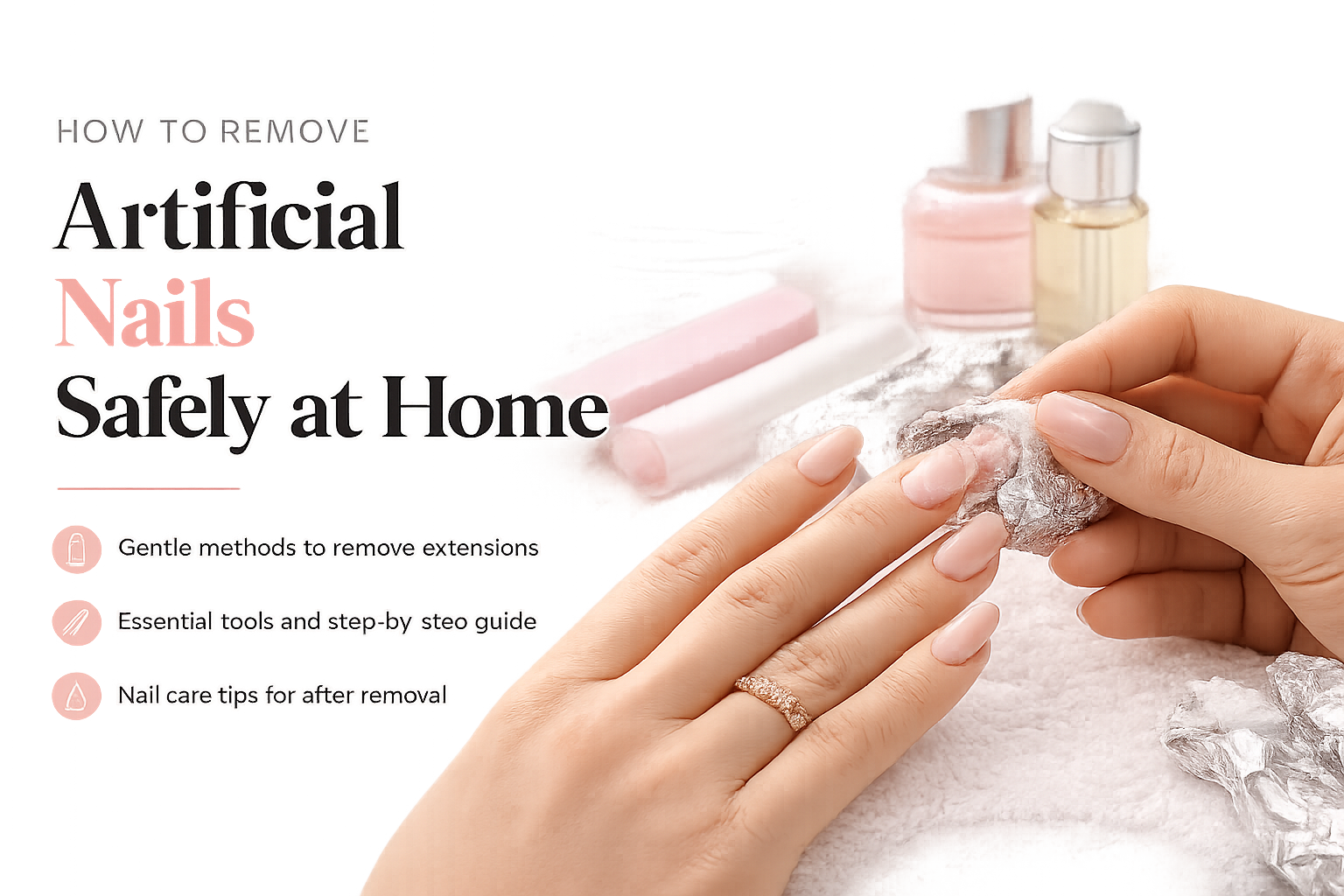
There are two primary ways to chemically remove enhancements: wrapping each finger in foil or submerging them in a bowl. We generally recommend the foil wrap method for home use because it allows for more mobility and uses less acetone. Saturate a piece of cotton, place it directly on the thinned nail, and wrap it tightly with foil. The goal is to create an airtight seal that traps the natural heat from your fingertips.
If you choose the bowl method, place a smaller bowl of acetone inside a larger bowl of warm water. Never microwave acetone, as it is highly flammable. This double-boiler effect warms the solvent and speeds up the breakdown of the resins. Several commercial facilities use this method for efficiency, but it can be much harsher on the surrounding skin. Whichever method you choose, set a timer for at least 15 to 20 minutes and resist the urge to peek.
| Removal Method | Time Required | Impact on Skin | Best For |
| Foil Wrap | 20-30 Mins | Moderate | Gel polish and thin acrylics. |
| Double Bowl Soak | 15-20 Mins | High | Thick acrylics and dip powder. |
| Professional E-File | 10-15 Mins | Low (if skilled) | Bulk removal before soaking. |
Managing Stubborn Residue without Force
After the soaking time has passed, the product should look “flaked” or gummy. Use your cuticle pusher to gently nudge the softened material off the nail. If you encounter resistance, stop immediately. Resistance means the bond is still active. Forcefully scraping at this stage is just as damaging as peeling the nail off dry. Re-wrap the nail and soak for another five to ten minutes.
One purchasing mistake appears repeatedly during this phase: using metal tools with too much pressure. We suggest using an orange wood stick if you are worried about your hand being too heavy. A practical lesson we have learned is that the last 10% of the product is the most dangerous. People get impatient when they see the natural nail peeking through and start to scrape. Instead, use a soft buffer to lightly smooth away the final remnants of glue or base coat.
Post-Removal Keratin Recovery
Once the nails are clear of product, your natural plates will likely look white and feel somewhat dehydrated. This is not necessarily permanent damage, but rather a temporary loss of moisture caused by the acetone. This is the most critical window for nail tips and maintenance. The keratin is currently porous and will absorb treatments much more effectively than usual.
We recommend an immediate “moisture sandwich” approach. Wash your hands thoroughly to remove all traces of acetone, then apply a high-quality cuticle oil followed by a thick hand cream. From our experience, using products containing jojoba oil or vitamin E during the first 24 hours post-removal can significantly reduce the risk of the nails becoming brittle. Avoid applying a new set of nails immediately; give the natural plate at least 24 to 48 hours to rehydrate and harden.
Expert Tip: If your natural nails feel “bendy” or sensitive after removal, it means they have been over-filed or stripped. Avoid using “hardener” polishes that contain formaldehyde, as these can make brittle nails so stiff that they snap. Stick to hydrating oils and a simple protein-based strengthener.
Recognizing When Home Removal is a Risk
There are certain scenarios where we advise against home removal entirely. If you have any signs of a “greenie” (bacterial pocket), redness, swelling, or pus around the cuticle, you should seek professional help or medical advice. Attempting to soak a nail that has an active infection underneath can drive the bacteria deeper into the nail bed or into the bloodstream.
Additionally, if you are wearing hard gel (non-soak-off), acetone will not work. Hard gel must be filed off professionally. Many people realize this too late and end up filing through their natural nail in frustration. If you aren’t sure what product is on your nails, a quick test soak on one finger for ten minutes will tell you. If the product hasn’t softened at all, it’s a sign you need a professional with an e-file.
Maintaining the Integrity of the Nail Plate
Safely removing artificial nails is a skill that preserves your ability to enjoy enhancements in the future. By respecting the chemical process and avoiding mechanical force, you ensure that your nail tips remain a healthy canvas. For those who prioritize the long-term health of their hands, Toes and Nails provides resources and high-quality options that make both application and removal more manageable.
Remember that the beauty of a manicure is only as good as the health of the nail underneath. We have seen that the most successful “DIY-ers” are the ones who treat the removal process with as much respect as the application. Proper care today means stronger, more resilient nails tomorrow.
Frequently Asked Questions
Can I remove acrylic nails with just hot water and soap?
While some people suggest using hot water, oil, and soap to “pop” off nails, this is generally ineffective for professional-grade acrylics. This method relies on the water getting under the nail to loosen the glue, but it often requires prying, which damages the nail plate. For a safe removal that maintains the health of your natural nail, a solvent like acetone is necessary to chemically dissolve the bond.
How long should I wait between removing one set and applying another?
From our experience, a 24 to 48-hour break is ideal. This allows the natural keratin to rehydrate and the moisture levels in the nail plate to stabilize. If you apply a new set immediately after a heavy acetone soak, the nail may be too dry or too oily from the “recovery” products, which can cause the new set to lift prematurely.
Why do my nails have white spots after I take off my artificial nails?
These white spots, known as keratin granulations, occur when the top layers of the nail cells are pulled off along with the enhancement. This is most common when nails are peeled or scraped off rather than soaked. They can also be caused by extreme dehydration from acetone. They aren’t permanent but will need to grow out, which is why consistent oiling post-removal is so important.
Is 100% pure acetone dangerous for my skin?
Pure acetone is a very strong solvent and will significantly dry out your skin and cuticles. However, it is not “dangerous” for short-term use during nail removal. To minimize irritation, we suggest applying a barrier of petroleum jelly or a heavy oil to the skin surrounding the nail before you begin the soak. This prevents the skin from losing too much moisture while the acetone works on the artificial material.
What should I do if my natural nails are painful after removal?
If your nails are throbbing or sensitive to touch, it is likely that the nail plate has been filed too thin or layers were stripped away during removal. Keep the nails short to prevent snagging and apply cuticle oil multiple times a day. Avoid any harsh chemicals or cleaning products without wearing gloves. If the pain persists or you see signs of redness and heat, consult a professional to ensure there is no underlying infection.
