

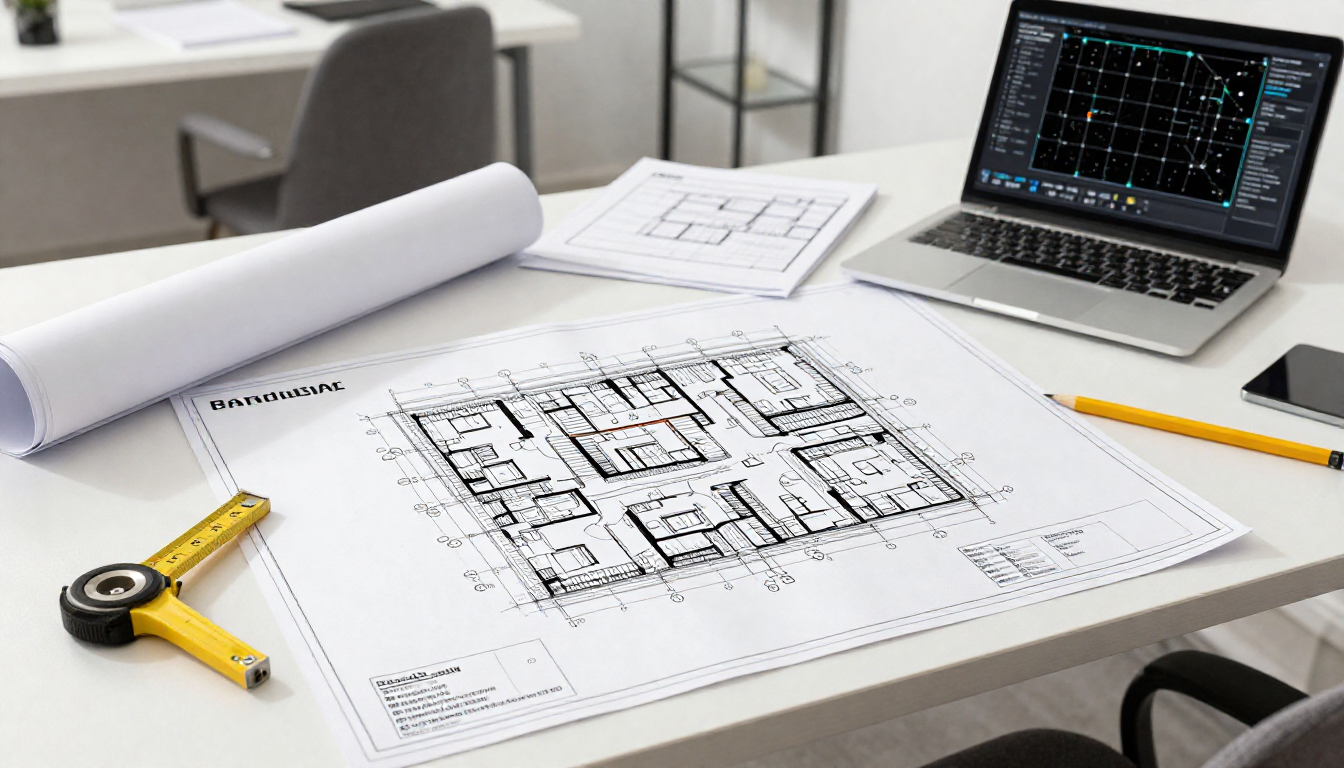
Property development involves careful planning, detailed designs, and compliance with various regulations. Whether you are building a residential home, commercial property, or planning a land improvement project, accuracy plays a major role in project success. One of the most important documents in this process is a professionally prepared site plan.
An accurate site plan provides a complete overview of a property, including boundaries, structures, measurements, utilities, landscaping, and other important features. It helps property owners, architects, contractors, and local authorities understand how a project will fit within the existing site conditions.
For many construction and renovation projects, having a reliable plot plan for permit approval is not just recommended—it is often required. A properly prepared plan can speed up approvals, reduce errors, and ensure that development follows local building requirements.
Understanding the Role of Site Plans in Property Development
A site plan is a detailed drawing that represents a property from a top-down view. It shows the relationship between buildings, property lines, access points, utilities, and surrounding features. Developers use these drawings to evaluate whether their proposed project is practical and meets zoning regulations.
Before construction begins, authorities typically review site plans for permits to confirm that the project complies with safety standards, setback requirements, drainage rules, and land-use regulations. Without an accurate site plan, permit applications may face delays or rejection.
For developers, site plans provide a roadmap for the entire project. They help identify possible challenges early, such as limited space, utility conflicts, environmental concerns, or zoning restrictions. This allows teams to make informed decisions before investing significant time and money into construction.
Site Plan vs Plot Plan: Understanding the Difference
Many property owners confuse a site plan and a plot plan because both documents show property details. However, there are differences between the two.
The main difference in site plan vs plot plan is the level of detail and purpose. A plot plan usually focuses on the basic layout of a property. It commonly shows property boundaries, existing structures, building locations, and required setbacks. Plot plans are often requested for smaller projects such as residential permits or property improvements.
A site plan is generally more comprehensive. It may include detailed information about:
- Building locations and dimensions
- Parking areas and driveways
- Landscaping features
- Drainage systems
- Utility connections
- Walkways and access routes
- Topographic information
While a plot plan may be enough for certain permit requirements, larger development projects usually require a detailed site plan that provides a complete understanding of the property.
Choosing the correct document depends on project size, local regulations, and the specific requirements of the permitting authority.
Why Accuracy Matters in Permit Approval
One of the biggest reasons accurate site plans are important is their role in the approval process. Local governments and building departments rely on these documents to determine whether a proposed project meets legal and safety requirements.
An inaccurate plan can create several problems, including:
- Permit application delays
- Additional revision costs
- Construction mistakes
- Legal compliance issues
- Project timeline extensions
For example, incorrect measurements of property boundaries or setbacks can result in a building being placed too close to neighboring properties. Similarly, missing utility information can cause expensive changes during construction.
A precise plot plan for permit ensures that reviewers have reliable information when evaluating a project. It demonstrates professionalism and helps create a smoother approval process.
How Professional Site Plans Support Better Construction Planning
Successful property development requires coordination between multiple professionals, including architects, engineers, contractors, and property owners. A detailed site plan creates a common reference point for everyone involved.
Contractors use site plans to understand building placement, access areas, and construction limitations. Architects use them to design structures that fit properly within the property. Engineers rely on accurate information when planning drainage, utilities, and infrastructure.
Professional site plans for permits also help reduce unexpected issues during construction. When all site conditions are clearly documented, teams can prepare better estimates, allocate resources efficiently, and avoid unnecessary modifications.
A well-prepared site plan is not simply a permit requirement—it is a valuable planning tool that improves the overall quality of a development project.
Common Mistakes Caused by Poor Site Planning
Poorly prepared site plans can lead to serious challenges during property development. Some common mistakes include incomplete measurements, outdated property information, incorrect boundary lines, and missing site features.
Another frequent issue is failing to consider future development needs. A property may appear suitable for current plans but may have limitations that affect future expansion, parking, landscaping, or utility upgrades.
Working with accurate site plans helps identify these concerns before construction begins. Developers can adjust designs, improve layouts, and avoid expensive changes later in the project.
Investing in professional site planning at the beginning can save significant time and money throughout the development process.
Choosing Reliable Site Plan Services for Your Project
Selecting the right site plan service provider is an important step for any property development project. Experienced professionals understand local requirements, measurement standards, and permit submission guidelines.
A reliable provider should create clear, detailed, and accurate drawings that include all necessary information for approval. They should also understand the difference between various planning documents, including site plan vs plot plan, and recommend the right option based on project needs.
Before starting a project, property owners should confirm what documentation their local authority requires. This helps avoid unnecessary delays and ensures that the final plans meet approval standards.
Final Thoughts: Accurate Site Plans Build Successful Projects
Accurate site plans are a foundation of successful property development. They provide essential information for design, permitting, construction, and long-term planning. Whether you need a simple residential permit document or a detailed development plan, accuracy should always be a priority.
A carefully prepared site plan helps prevent mistakes, improves communication between project teams, and increases the chances of smooth permit approval. From initial planning to final construction, investing in professional site planning creates a stronger foundation for every development project.
For property owners and developers, accurate site plans for permits are more than paperwork—they are an essential tool for turning ideas into successful, compliant, and efficient projects.
