

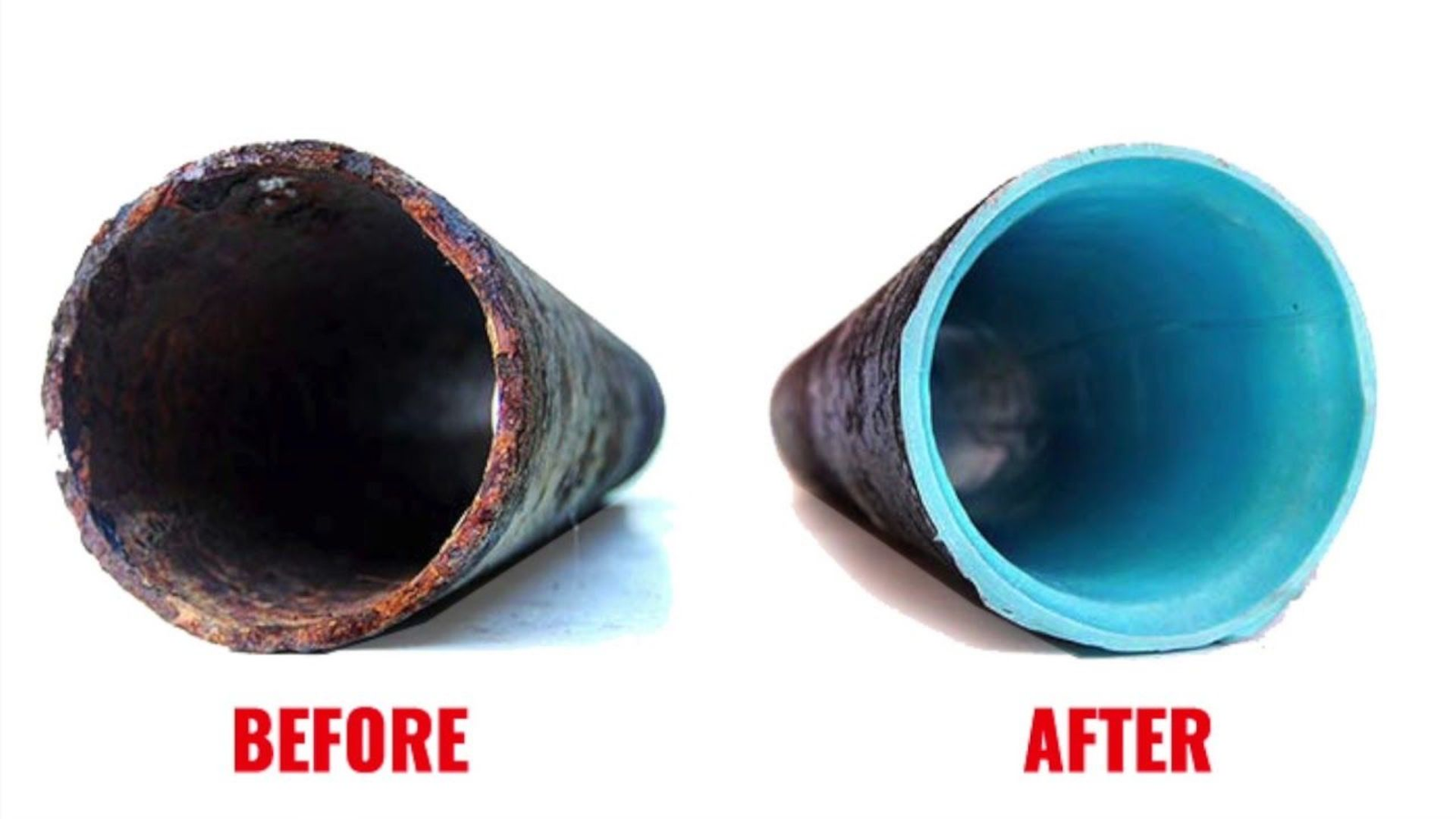
Modern infrastructure demands efficient and cost-effective pipe rehabilitation solutions. CIPP lining has become the industry-leading method for repairing damaged pipelines without extensive excavation. Whether you’re dealing with cracked sewer lines, deteriorating stormwater pipes, or aging commercial plumbing systems, choosing experienced CIPP lining experts ensures durable results with minimal disruption.
This advanced trenchless technology restores the structural integrity of existing pipelines while reducing labor costs, project timelines, and environmental impact. In this guide, we’ll explain what CIPP lining is, how it works, its benefits, and why hiring qualified professionals is essential for long-lasting pipe rehabilitation.
What Is CIPP Lining?
CIPP lining (Cured-In-Place Pipe lining) is a trenchless pipe repair technique that rehabilitates damaged pipelines by installing a flexible liner saturated with a specialized resin inside the existing pipe. Once positioned, the liner is cured using hot water, steam, or ultraviolet (UV) light, creating a seamless and durable new pipe within the old one.
The process eliminates the need to remove or replace underground pipelines, making it one of the most efficient no-dig repair solutions available today.
CIPP lining is commonly used for:
- Sewer pipe repairs
- Stormwater drainage systems
- Commercial plumbing networks
- Municipal water infrastructure
- Industrial pipelines
- Residential drain rehabilitation
How the CIPP Lining Process Works
Professional CIPP lining contractors follow a proven repair process to ensure quality and longevity.
1. CCTV Pipe Inspection
The project begins with a high-definition camera inspection to identify cracks, root intrusion, corrosion, offset joints, or structural damage. This inspection determines whether CIPP lining is the appropriate repair method.
2. Thorough Pipe Cleaning
The existing pipe is cleaned using hydro jetting or mechanical equipment to remove debris, grease buildup, roots, and sediment. A clean surface allows the liner to bond properly.
3. Liner Installation
A resin-impregnated felt or fiberglass liner is inserted into the damaged pipeline using inversion or pull-in methods. The liner conforms to the interior shape of the existing pipe.
4. Resin Curing
The liner is cured using steam, hot water, or UV light, hardening the resin into a structurally sound pipe that resists corrosion, leaks, and root intrusion.
5. Final Inspection
Once curing is complete, technicians perform another CCTV inspection to verify the quality of the installation and confirm the pipeline is fully restored.
Benefits of CIPP Lining
Minimal Excavation
One of the biggest advantages of CIPP lining is that it requires little to no digging. Landscapes, roads, driveways, sidewalks, and buildings remain largely untouched during the repair process.
Faster Project Completion
Traditional pipe replacement can take days or even weeks. CIPP lining projects are often completed within a single day, reducing downtime for homeowners, businesses, and municipalities.
Long Service Life
Professionally installed CIPP liners can last 50 years or more with proper maintenance, providing an excellent return on investment.
Cost-Effective Solution
Since excavation, restoration, and heavy equipment costs are significantly reduced, CIPP lining often proves more affordable than conventional pipe replacement.
Improved Pipe Performance
The seamless interior surface improves water flow while eliminating joints that commonly allow root intrusion and leaks.
Environmentally Friendly
No-dig technology minimizes soil disturbance, reduces construction waste, and lowers the carbon footprint associated with traditional excavation.
Why Hire Experienced CIPP Lining Experts?
Successful CIPP lining depends heavily on proper installation. Skilled contractors use advanced inspection equipment, premium resin systems, and industry-approved curing methods to ensure lasting performance.
Professional CIPP lining specialists provide:
- Accurate pipe condition assessments
- Customized repair solutions
- High-quality liner materials
- Advanced trenchless equipment
- Compliance with industry standards
- Reliable workmanship warranties
Choosing experienced technicians helps prevent installation defects, premature failures, and costly future repairs.
Applications of CIPP Lining
CIPP lining is suitable for a wide range of pipe rehabilitation projects across multiple industries.
Residential Properties
Homeowners use CIPP lining to repair sewer laterals, underground drainpipes, and aging plumbing systems without damaging landscaping or driveways.
Commercial Buildings
Office buildings, shopping centers, hotels, hospitals, and industrial facilities rely on trenchless pipe rehabilitation to minimize business interruptions.
Municipal Infrastructure
Cities and local governments frequently use CIPP lining to rehabilitate aging sewer systems, stormwater drains, and utility pipelines while avoiding disruptive road excavation.
Industrial Facilities
Manufacturing plants and processing facilities benefit from CIPP lining because repairs can often be completed without shutting down critical operations.
Signs You May Need CIPP Lining
Early detection helps prevent major pipe failures. Consider scheduling a professional inspection if you notice:
- Frequent drain backups
- Persistent sewer odors
- Slow drainage
- Water pooling in the yard
- Cracked or collapsed pipes
- Tree root intrusion
- Recurring plumbing repairs
A CCTV inspection can determine whether CIPP lining is the most suitable solution.
Choosing the Right CIPP Lining Contractor
Not every trenchless contractor offers the same level of expertise. Before hiring a company, consider the following:
- Years of experience in CIPP lining
- Licensed and insured technicians
- Modern CCTV inspection equipment
- Proven project portfolio
- Positive customer reviews
- Warranty coverage
- Transparent pricing and project timelines
An experienced contractor will thoroughly inspect your pipeline, explain your repair options, and recommend the most cost-effective solution.
Conclusion
CIPP lining has transformed the pipe rehabilitation industry by providing a durable, efficient, and non-invasive alternative to traditional excavation. With faster installations, lower repair costs, and decades of reliable performance, it has become the preferred solution for residential, commercial, municipal, and industrial pipe restoration projects.
Working with trusted CIPP lining experts ensures your project is completed using proven trenchless technology, high-quality materials, and industry best practices. Whether you’re repairing aging sewer lines or restoring underground infrastructure, professional CIPP lining offers a long-lasting solution that minimizes disruption while maximizing pipeline performance.
