

The global transition toward cleaner energy sources is reshaping industries, economies, and environmental policies around the world. Rising concerns about climate change, resource depletion, and energy security have accelerated the demand for sustainable energy infrastructure. Businesses and governments are increasingly investing in solutions that support long-term environmental and economic stability. The growing importance of renewable energy sustainability reflects the need for energy systems that can reduce emissions while maintaining reliable performance. At the same time, innovations in battery energy storage are improving the efficiency and reliability of renewable power, helping create a stronger foundation for future sustainability goals.
The Growing Importance of Renewable Energy
Energy demand continues to increase as populations grow, industries expand, and digital technologies become more integrated into daily life. Traditional fossil fuel-based systems are facing mounting challenges due to environmental impact, fluctuating fuel prices, and limited natural resources.
Renewable energy offers a cleaner and more sustainable alternative capable of supporting long-term development without causing the same level of environmental damage. Solar, wind, hydro, and hybrid systems are helping countries reduce carbon emissions while strengthening energy security.
The focus on renewable energy sustainability is encouraging industries to adopt energy models that prioritize efficiency, environmental responsibility, and long-term resilience. Renewable infrastructure supports cleaner economic growth while helping organizations meet evolving environmental standards and climate objectives.
As technology advances, renewable systems are becoming more affordable and scalable, making them increasingly accessible for both large industries and smaller communities.
How Renewable Energy Supports Environmental Goals
One of the primary benefits of renewable energy is its ability to reduce greenhouse gas emissions and minimize environmental degradation. Fossil fuel combustion contributes significantly to air pollution, climate change, and ecological imbalance.
Renewable technologies generate electricity with far lower emissions, helping improve air quality and reduce dependence on carbon-intensive energy systems. This transition supports global efforts to limit environmental damage and promote sustainable development.
The adoption of renewable energy sustainability practices also encourages more efficient use of natural resources. Renewable systems often require less water consumption and produce fewer pollutants compared to conventional power generation methods.
Governments, industries, and environmental organizations increasingly recognize renewable energy as a critical component of long-term climate strategies. Sustainable infrastructure planning is becoming essential for balancing economic growth with environmental preservation.
Also Read : What is Renewable Energy? Types, Benefits & Uses
The Critical Role of Energy Storage
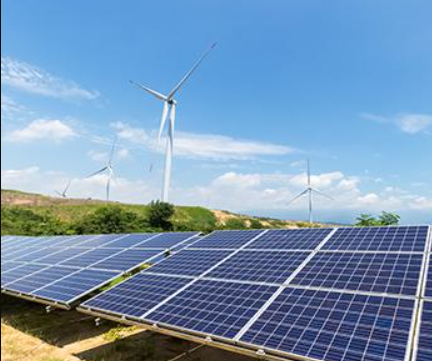
While renewable energy offers major environmental and economic advantages, one challenge involves maintaining stable electricity supply when generation levels fluctuate. Solar and wind systems depend on weather conditions, which can affect energy availability at different times.
This is where battery energy storage technology becomes essential. Energy storage systems capture excess renewable power and store it for later use, helping maintain consistent electricity supply even when renewable generation decreases.
Advanced battery systems improve grid stability and reduce energy waste by balancing supply and demand more efficiently. Stored renewable energy can support operations during peak demand periods, power outages, or lower production conditions.
Energy storage also increases the flexibility of renewable systems. Businesses and utilities can better manage electricity distribution while improving overall operational reliability and efficiency.
Economic Benefits of Sustainable Energy Infrastructure
Renewable energy investments are generating substantial economic benefits across multiple sectors. While renewable infrastructure often requires initial capital investment, long-term operational costs are generally lower than traditional energy systems.
The integration of battery energy storage further improves financial efficiency by reducing energy losses and enabling better energy management. Stored electricity can be used strategically during periods of higher energy prices, lowering overall operational expenses.
Renewable energy projects also create employment opportunities across manufacturing, construction, engineering, maintenance, and technology sectors. Expanding clean energy infrastructure contributes to regional economic growth while supporting workforce development.
Businesses that adopt sustainable energy systems often improve long-term financial stability by reducing exposure to fluctuating fuel costs and regulatory risks associated with carbon-intensive operations.
Renewable Energy and Industrial Transformation
Industries around the world are integrating renewable energy into operational strategies to improve efficiency and meet sustainability commitments. Manufacturing facilities, logistics centers, commercial buildings, and agricultural operations are increasingly relying on renewable infrastructure.
The implementation of renewable energy sustainability initiatives helps industries reduce environmental impact while maintaining operational productivity. Clean energy systems support long-term resource management and improve resilience against future energy disruptions.
Technological innovation is also transforming industrial energy management. Smart grids, predictive analytics, automation systems, and digital monitoring tools are helping businesses optimize energy use more effectively.
Renewable systems combined with energy storage technologies allow industries to operate with greater flexibility and stability. This integration supports continuous productivity while minimizing energy-related operational risks.
Strengthening Energy Security and Grid Reliability
Energy security is a major concern for countries and industries facing rising demand and infrastructure challenges. Dependence on imported fuels can expose economies to supply disruptions and market volatility.
Renewable energy systems strengthen energy independence by utilizing domestically available resources such as sunlight and wind. Decentralized renewable infrastructure also reduces pressure on centralized power grids.
The growing use of battery energy storage enhances grid reliability by stabilizing electricity supply and supporting renewable integration. Storage systems can respond quickly to fluctuations in energy demand, helping prevent outages and improve power quality.
Communities in remote or underserved regions can particularly benefit from renewable energy and storage systems. Decentralized infrastructure provides cleaner and more reliable electricity access where conventional grid expansion may be difficult or expensive.

Challenges in Achieving Long-Term Sustainability
Despite rapid progress, renewable energy development still faces important challenges. Infrastructure expansion, financing, land use, and technology integration require careful planning and investment.
Energy storage systems continue to evolve, but scaling them effectively for large industrial applications remains a complex task. Recycling and resource management for battery technologies are also becoming important considerations for long-term sustainability.
However, continued innovation and policy support are driving improvements across the sector. Research into more efficient renewable systems, advanced storage technologies, and smarter grid management continues to strengthen industry capabilities.
The commitment to renewable energy sustainability ensures that future energy development remains focused on balancing economic growth with environmental responsibility and operational resilience.
The Future of Sustainable Energy Systems
The future of global energy systems will likely depend on the continued expansion of renewable technologies and advanced energy storage solutions. As industries and governments pursue cleaner development strategies, renewable infrastructure will play a central role in supporting long-term sustainability goals.
Emerging technologies such as smart grids, artificial intelligence, and decentralized energy systems are expected to further improve renewable efficiency and reliability. Greater integration between renewable generation and storage will help create more adaptable and resilient energy networks.
The ongoing advancement of battery energy storage technologies will continue improving energy flexibility, cost efficiency, and operational stability across industries and communities worldwide.
Conclusion
Renewable energy is becoming a critical foundation for achieving long-term environmental, economic, and operational sustainability goals. The increasing focus on renewable energy sustainability highlights the global commitment to reducing emissions, improving resource efficiency, and building resilient energy infrastructure. At the same time, advancements in battery energy storage are helping renewable systems deliver more stable and reliable performance across industries and communities. Resolven reflects this evolving energy transition by developing renewable infrastructure designed to scale responsibly, maintain high operational standards, and support dependable long-term performance in an increasingly sustainability-focused world.
