

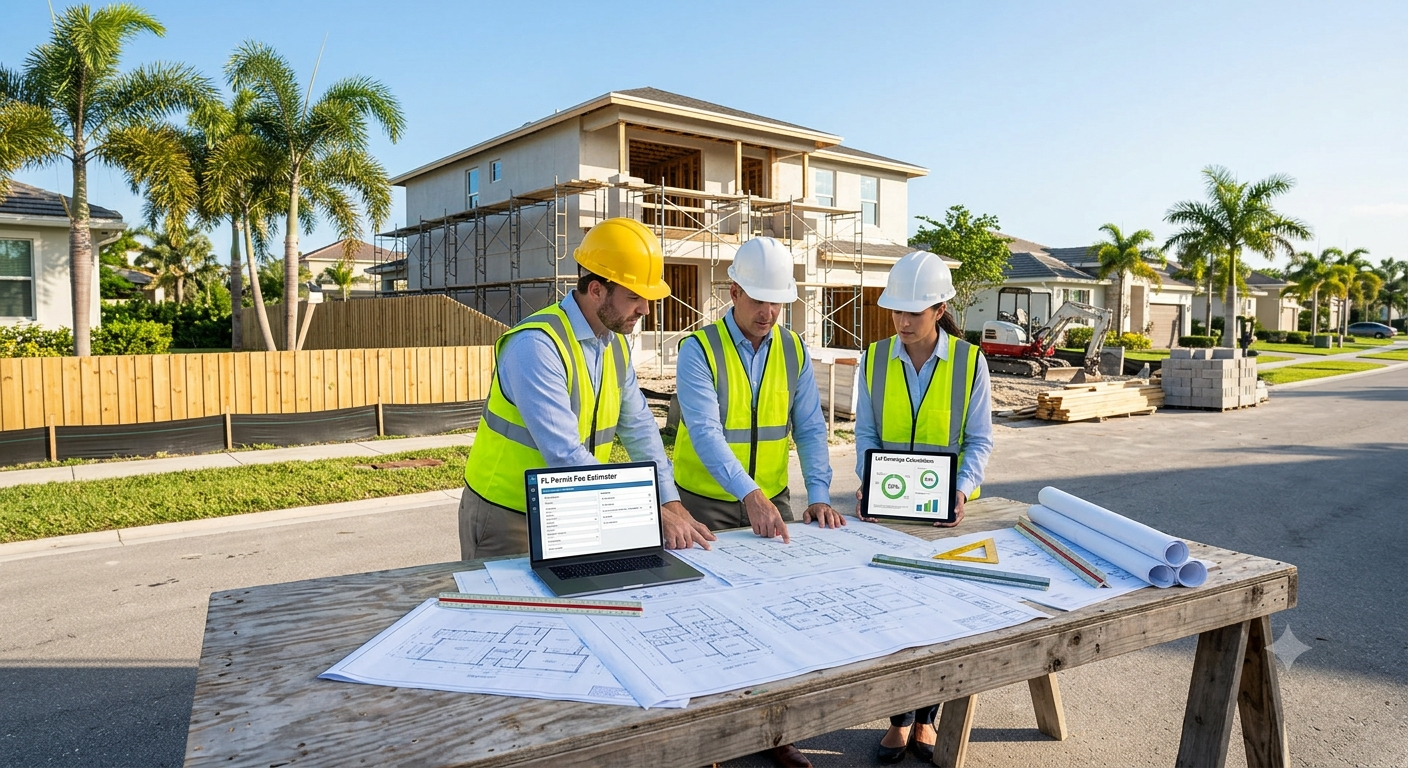
Every successful construction project begins long before excavation starts or materials arrive on-site. Whether you’re planning a residential addition, a commercial building, or a property improvement, smart planning is the foundation of a smooth and cost-effective process. Careful preparation reduces unexpected expenses, minimizes permit delays, and helps ensure compliance with local building regulations.
Property owners, contractors, architects, and developers all benefit from investing time in proper planning. From understanding zoning regulations to calculating lot coverage accurately and estimating permit costs, each step contributes to a project that stays on schedule and within budget.
In this guide, we’ll explore practical planning strategies that help construction projects succeed while avoiding common mistakes.
1. Start with a Complete Site Evaluation
The first step in any construction project is understanding the property itself. Every lot has unique characteristics that affect what can legally and safely be built.
A professional site evaluation typically includes:
- Property boundaries
- Existing structures
- Easements
- Utility locations
- Drainage patterns
- Topography
- Setback requirements
- Local zoning regulations
Ignoring these factors often leads to redesigns, permit revisions, and expensive construction delays.
Working with accurate property surveys and professional site plans gives designers and contractors reliable information before construction begins. It also helps local permitting departments review applications more efficiently.
A thorough site assessment reduces uncertainty and provides a solid foundation for every decision that follows.
2. Prioritize Accurate Calculating Lot Coverage
One of the most overlooked aspects of construction planning is calculating lot coverage correctly.
Lot coverage refers to the percentage of a property occupied by buildings and other structures. Every municipality establishes maximum lot coverage limits through zoning regulations.
These calculations may include:
- Main residence
- Garages
- Covered patios
- Accessory buildings
- Porches
- Pools in some jurisdictions
- Other permanent improvements
Exceeding allowable lot coverage can result in permit denial, redesign requirements, or costly project modifications.
Before finalizing architectural drawings, property owners should verify local zoning restrictions and confirm that all proposed structures remain within permitted limits.
Professional site planning services help ensure calculations are accurate, preventing surprises during permit review. Proper lot coverage analysis also supports future property improvements by preserving available building area whenever possible.
3. Estimate Permit Costs Before Finalizing Your Budget
Many construction budgets underestimate permitting expenses.
Permit costs vary based on:
- Project size
- Building type
- Square footage
- Municipality
- Mechanical systems
- Electrical work
- Plumbing scope
- Structural complexity
Using a permit fee estimator early in the planning phase provides a more realistic picture of total project costs.
Rather than waiting until permit submission, estimating these expenses helps property owners:
- Prepare accurate budgets
- Compare project alternatives
- Avoid financial surprises
- Allocate contingency funds
- Make informed design decisions
Permit fees represent only one portion of the approval process, but understanding them in advance improves financial planning and helps projects move forward without unexpected interruptions.
Combining permit estimates with professional site planning creates a much clearer roadmap from concept to construction.
4. Understand Local Regulations Before Construction Begins
Building codes and zoning regulations exist to promote safe, organized community development. Unfortunately, many project delays occur because applicants overlook local requirements.
Every Florida municipality may have unique regulations regarding:
- Building setbacks
- Height restrictions
- Flood zones
- Parking requirements
- Landscaping
- Stormwater management
- Tree preservation
- Accessory structures
Another frequently misunderstood topic involves Florida fence laws.
Fence regulations often govern:
- Maximum fence height
- Property line placement
- Corner visibility
- Pool enclosure requirements
- Materials
- Permit requirements
Installing a fence without understanding local ordinances can lead to violations, fines, or mandatory removal.
Before purchasing materials or beginning installation, property owners should verify local regulations and determine whether permits are required. Reviewing these requirements early eliminates unnecessary setbacks later in the project.
5. Invest in Professional Permit Drawings
Even well-designed construction projects can experience delays if permit documents are incomplete.
Building departments expect detailed plans that clearly communicate the proposed work while demonstrating compliance with applicable codes.
Professional permit drawings typically include:
- Existing site conditions
- Proposed construction
- Dimensions
- Property setbacks
- Building footprint
- Lot coverage calculations
- Elevation information
- Structural details where required
Accurate documentation allows plan reviewers to evaluate projects efficiently and reduces requests for revisions.
Poor-quality drawings often create unnecessary review cycles that extend project timelines by several weeks or even months.
Investing in experienced permit drawing services saves time by submitting complete, organized documentation from the beginning.
6. Build a Planning Timeline That Includes Flexibility
Construction schedules rarely proceed exactly as planned.
Weather delays, material shortages, inspection scheduling, permit revisions, and contractor availability can all affect project timelines.
Smart planning includes realistic scheduling with built-in flexibility.
Consider dividing your timeline into key phases:
- Property evaluation
- Site planning
- Design development
- Permit preparation
- Permit review
- Contractor selection
- Material procurement
- Construction
- Final inspections
Allowing additional time between these milestones helps absorb unexpected delays without disrupting the entire project.
Communication also plays an important role. Regular coordination between property owners, designers, engineers, contractors, and permitting officials keeps everyone aligned and minimizes misunderstandings.
Projects with organized planning schedules are generally completed more efficiently than those relying on rushed decisions.
Final Thoughts
Successful construction projects don’t happen by chance—they are the result of thoughtful planning, accurate documentation, and informed decision-making. Investing time in the early stages can significantly reduce delays, control costs, and improve the overall building experience.
Understanding local regulations, accurately calculating lot coverage, budgeting with a permit fee estimator, and following Florida fence laws are all essential parts of a successful project. Combined with professional permit drawings and a realistic construction timeline, these strategies help property owners move confidently from planning to completion.
Whether you’re building a new home, expanding an existing property, or managing a commercial development, smart planning lays the groundwork for a project that meets regulatory requirements while staying on schedule and within budget. Taking the time to prepare properly today can prevent costly setbacks tomorrow and ensure a smoother path to a successful build.
