

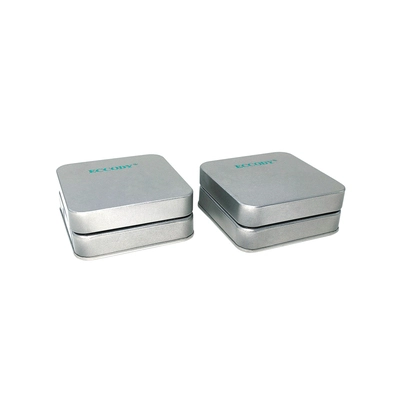
Selecting the right child proof packaging supplier requires balancing multiple important considerations simultaneously, ensuring that chosen packaging genuinely protects vulnerable consumers while also supporting the kind of professional, on-brand presentation that helps products succeed in competitive retail environments. Understanding how to navigate this selection process thoughtfully helps brands avoid the common mistake of treating packaging purely as a compliance checkbox disconnected from broader brand and business considerations.
Starting With Genuine Safety Performance Verification
Before evaluating any other packaging characteristics, brands should thoroughly verify that potential suppliers can provide genuine, documented evidence of compliance testing for their child proof packaging, rather than accepting vague assurances or unverified claims about protective performance. See how child proof packaging wholesale suppliers who provide transparent, detailed testing documentation give brands genuine confidence that their packaging selection decision rests on verified performance data rather than marketing claims that might not hold up to actual regulatory scrutiny once products reach the market.
Evaluating Visual Design and Customization Capability
Once safety performance has been genuinely verified, brands should evaluate potential suppliers’ visual design and customization capabilities, considering whether they can deliver packaging that authentically represents brand identity through appropriate printing quality, finishing options, and structural design flexibility that supports distinctive, professional retail presentation. This evaluation matters considerably in competitive retail environments, where packaging presentation often plays a meaningful role in capturing customer attention and differentiating products from numerous similar alternatives competing for the same shelf space and customer consideration.
Assessing Manufacturing Consistency and Quality Control
Brands should also carefully assess a potential supplier’s manufacturing consistency and quality control processes, since packaging that performs excellently in initial samples but experiences quality degradation across larger production runs creates genuine business risk that undermines both safety performance and professional presentation across a brand’s actual product distribution. Requesting information about quality control procedures, and ideally reviewing packaging samples from actual production runs rather than only carefully prepared demonstration samples, helps brands gain genuine confidence in a supplier’s ability to consistently deliver the quality and performance standards their business genuinely requires.
Understanding Pricing Structures and Total Value
Evaluating pricing requires looking beyond simple per-unit cost comparisons toward understanding total value delivered, including factors like minimum order quantities, customization costs, shipping and logistics considerations, and the potential cost impact of quality or compliance issues that might arise from choosing a less reliable, lower-priced alternative supplier. This total value perspective often reveals that the lowest quoted price doesn’t necessarily represent the best overall business decision once these broader considerations get properly factored into the overall purchasing evaluation and decision-making process.
Confirming Reliable Ongoing Support and Communication
Brands should confirm that potential suppliers offer genuinely reliable ongoing support and communication throughout the business relationship, including responsive customer service for questions or concerns, clear communication about production timelines and any potential delays, and general professional conduct that suggests a genuine, sustainable business partnership rather than a purely transactional relationship focused narrowly on individual order fulfillment. This ongoing support quality becomes increasingly important as the business relationship matures, particularly if regulatory requirements evolve or the brand’s own packaging needs change over time as their business continues growing and developing.
Making a Confident, Well-Informed Selection
Brands who work through this thorough evaluation process, verifying safety performance, assessing design capability, confirming manufacturing consistency, understanding total value, and confirming reliable ongoing support, position themselves considerably better for a successful, satisfying packaging sourcing relationship than those making selection decisions based on incomplete information or superficial price comparisons alone. This kind of deliberate, thorough selection approach ultimately supports better long-term business outcomes across both safety compliance and professional brand presentation throughout the ongoing packaging supplier relationship.
