

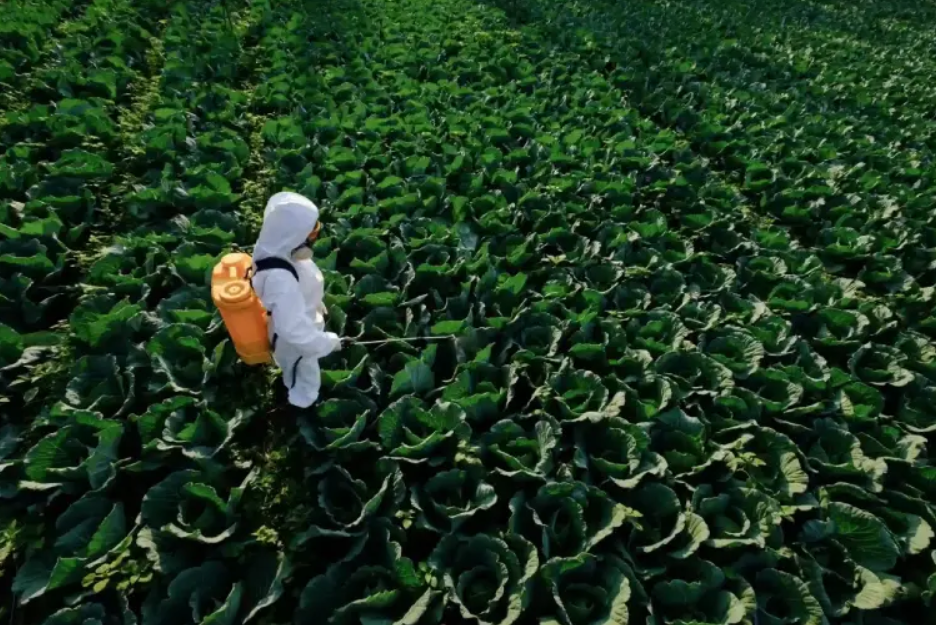
Indian agriculture is undergoing a significant transformation as farmers increasingly adopt advanced technologies and scientific farming methods to improve productivity and sustainability. With changing climatic conditions, rising pest infestations, and the growing demand for high-quality produce, crop protection has become more important than ever. Modern crop protection solutions help farmers safeguard their crops from diseases, weeds, and harmful insects while maximizing yields. The strategic use of agricultural chemical products, integrated pest management practices, and access to pesticides online are empowering Indian farmers to achieve better results and build resilient farming systems.
The Importance of Crop Protection in Modern Agriculture
Crop protection plays a critical role in ensuring food security and maintaining farm profitability. Crops are constantly exposed to various threats, including insect attacks, fungal infections, bacterial diseases, and weed competition. If not managed effectively, these threats can cause significant yield losses and affect the quality of harvested produce.
Modern crop protection solutions provide farmers with targeted approaches to minimize crop damage. These solutions are designed to protect plants throughout different growth stages, enabling healthy crop development and improved productivity. As Indian agriculture continues to evolve, adopting scientific crop protection practices has become essential for sustainable farming success.
Emerging Challenges Faced by Indian Farmers
Climate Change and Pest Outbreaks
Unpredictable weather patterns have created favorable conditions for the emergence and spread of pests and diseases. Rising temperatures, irregular rainfall, and extended humidity periods often increase pest populations and disease pressure on crops.
Resistance Development
Over time, repeated use of the same treatment methods can result in resistance among pests and pathogens. This challenge requires farmers to adopt diversified crop protection strategies and rotate solutions effectively.
Increasing Demand for Quality Produce
Consumers and export markets demand high-quality agricultural products with minimal crop damage. Farmers must therefore implement efficient crop protection programs to maintain both yield and quality standards.
Advanced Crop Protection Technologies
Precision Application Techniques
Modern farming increasingly relies on precision agriculture tools that help farmers apply crop protection products accurately. Precision spraying technologies reduce wastage, improve coverage, and ensure optimal effectiveness while minimizing environmental impact.
Smart Monitoring Systems
Digital monitoring tools and field sensors enable farmers to detect pest infestations and disease outbreaks at an early stage. Early intervention allows for timely action, reducing crop losses and improving treatment outcomes.
Targeted Formulations
Recent innovations have led to the development of advanced formulations that provide better adherence, improved absorption, and longer-lasting protection. These solutions help farmers manage pests and diseases more efficiently while optimizing resource utilization.
Role of Agricultural Chemicals in Crop Protection
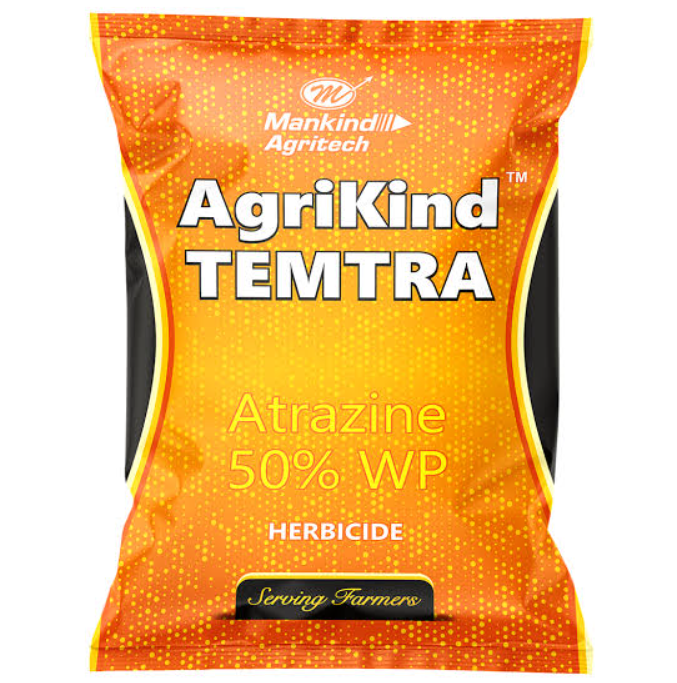
The responsible use of agricultural chemical products remains an important component of modern crop protection programs. These products help control insects, weeds, fungi, and other threats that can significantly affect crop performance.
When used according to recommended guidelines, crop protection solutions contribute to higher yields and improved crop quality. Farmers can select products based on specific crop requirements, pest pressure, and local environmental conditions.
The effectiveness of any agricultural chemical depends on proper timing, dosage, and application methods. Educating farmers about best practices ensures that crop protection measures deliver desired results while supporting sustainable agricultural development.
Integrated Pest Management: A Balanced Approach
Integrated Pest Management (IPM) combines multiple strategies to control pests while reducing unnecessary interventions. This approach has gained popularity among Indian farmers seeking long-term and environmentally responsible solutions.
Key Components of IPM
Regular Field Monitoring
Routine crop inspections help identify pest problems before they become severe. Early detection allows farmers to take corrective action promptly.
Biological Controls
Natural predators and beneficial organisms can help manage pest populations effectively. Encouraging biodiversity within agricultural ecosystems supports natural pest regulation.
Cultural Practices
Crop rotation, proper irrigation management, field sanitation, and resistant crop varieties can significantly reduce pest and disease pressure.
Judicious Use of Crop Protection Products
Combining preventive practices with targeted interventions ensures effective pest control while preserving ecological balance.
The Growing Popularity of Purchasing Pesticides Online
Digital transformation has significantly influenced the agricultural sector. Today, many farmers prefer purchasing pesticides online due to convenience, accessibility, and product availability.
Advantages of Online Purchasing
Easy Access to Products
Farmers can explore a wide range of crop protection solutions without traveling long distances. This accessibility is particularly beneficial for growers in remote areas.
Product Information and Comparison
Online platforms often provide detailed product descriptions, usage instructions, and specifications, enabling farmers to make informed decisions.
Time and Cost Efficiency
Buying pesticides online can save valuable time and reduce transportation expenses. Farmers can conveniently place orders and receive products at their preferred locations.
Improved Availability
Online channels often ensure access to a broader selection of crop protection products throughout the year, helping farmers meet seasonal requirements efficiently.
Sustainable Crop Protection Practices
Reducing Environmental Impact
Sustainability has become a major focus in modern agriculture. Farmers are increasingly adopting practices that balance productivity with environmental stewardship.
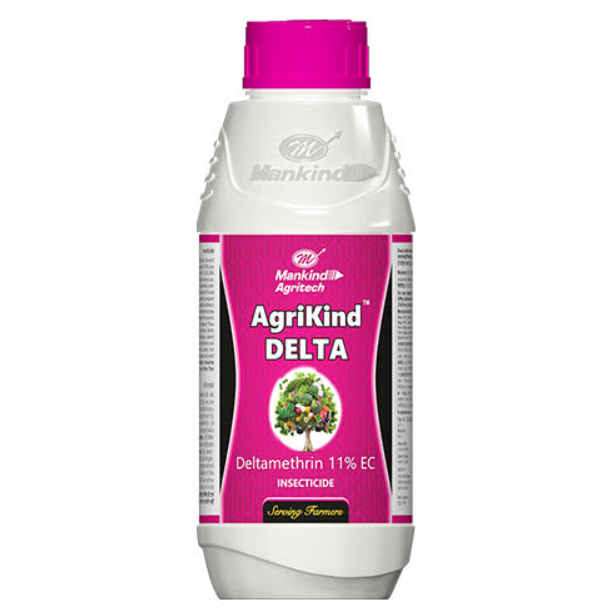
Proper product selection, precision application, and adherence to recommended guidelines help reduce unnecessary exposure and minimize environmental risks.
Enhancing Soil and Crop Health
Healthy soils contribute to stronger plants that are naturally more resistant to pests and diseases. Sustainable farming practices such as organic matter management, balanced nutrition, and efficient irrigation support overall crop resilience.
Promoting Long-Term Productivity
By integrating scientific crop protection methods with sustainable farming techniques, farmers can maintain productivity while preserving natural resources for future generations.
Digital Agriculture and Future Opportunities
Technology continues to reshape crop protection across India. Artificial intelligence, remote sensing, drone-based monitoring, and predictive analytics are helping farmers make data-driven decisions.
These innovations enable more precise identification of crop threats and support timely interventions. As digital agriculture expands, farmers will have greater access to advanced tools that improve efficiency, reduce losses, and enhance profitability.
The continued growth of e-commerce platforms will also strengthen access to pesticides online, making crop protection solutions more readily available to farmers across diverse geographical regions.
Conclusion
Modern Indian agriculture requires innovative and sustainable crop protection strategies to address evolving challenges and support growing food demands. Advanced technologies, integrated pest management, responsible use of agricultural chemical products, and access to pesticides online are helping farmers improve productivity while protecting crop health. These solutions contribute to higher yields, better-quality produce, and long-term agricultural sustainability. Mankind Agritech is committed to supporting growers through affordable and accessible crop protection solutions, helping farmers cultivate quality produce while meeting the demands of modern agriculture and fostering sustainable growth.
