

Choosing the right faucet is a small decision. But it affects your daily life for years.
A poor-quality tap doesn’t last long. In hard-water areas, it corrodes within months. It also drips constantly. Over time, repairs cost more than a better tap would have cost upfront.
A well-made faucet is different. It can run smoothly for a decade or longer.
This guide covers everything you need to know about faucets in Pakistan. You’ll learn which materials actually last here. You’ll get realistic price ranges. And you’ll see how to avoid the common mistakes that lead to leaks, rust, and early replacements.
Why Faucet Choice Matters More in Pakistan
Water conditions vary sharply across Pakistan’s cities, and this directly affects how long a faucet lasts.
- Karachi and coastal areas deal with high salinity, which speeds up corrosion in low-grade metal fixtures.
- Lahore, Faisalabad, and much of Punjab have hard water. It’s high in minerals. This causes limescale buildup inside cheap valves and aerators.
- Islamabad and northern regions generally have softer water. But water pressure is often inconsistent, due to tankers and boosters. This puts extra strain on faucet cartridges.
Because of this, a faucet that works fine in one city can fail quickly in another. That’s why material quality and cartridge type matter more here than in many other markets.
Common Faucet Materials Sold in Pakistan
Brass Faucets
Brass remains the gold standard for durability. It resists corrosion. It handles hard water well. And it holds up under daily use in kitchens and bathrooms. This is why most reputable manufacturers rely on it. Moro Faucets, for example, builds its core kitchen and bathroom ranges around solid brass bodies. The reason is simple: long-term reliability.
Zinc Alloy Faucets
Zinc alloy is lighter and cheaper than brass. When new, it looks similar too. But over time, it tends to pit and corrode from the inside. This happens faster in Karachi’s saline water or Punjab’s hard water.
Zinc alloy works fine for low-traffic areas, like a guest bathroom. But it’s not ideal for a kitchen sink. That gets used multiple times a day.
Stainless Steel Faucets
Stainless steel is gaining ground in Pakistani kitchens. It resists rust completely. And it doesn’t react with cleaning chemicals. It costs more upfront than zinc alloy. But it generally outlasts it too.
PVC and Plastic-Bodied Faucets
Common in budget bathroom fittings. These are the cheapest option but wear out fastest — plastic threads strip easily, and the finish fades within a year or two. They’re best avoided for anything beyond a temporary fix.
Faucets Price in Pakistan: What to Realistically Expect
Faucets pricing in Pakistan depends on three things. These are material, brand, and import duties. Most brass and finishing components are still partly imported.
As a general guide:
- Entry-level zinc alloy or PVC taps — this is the cheapest tier. It suits low-budget or rental properties. But it also has the shortest lifespan.
- Mid-range brass faucets with ceramic disc cartridges — this is the sweet spot for most homeowners. It balances price with genuine durability.
- Premium brass and stainless-steel faucets — these come with extra features. Think pull-down sprayers, single-lever control, or designer finishes. They’re priced highest. But they usually offer longer cartridge warranties. And they perform better over the long run.
Prices shift with copper and zinc rates. Currency movement affects them too. So it’s always worth checking a supplier’s current catalog. Don’t rely on numbers from a year-old article.
One thing stays constant, though: the value logic. Paying slightly more for a solid brass body with a ceramic cartridge almost always costs less over five years. That’s because you avoid replacing a cheap tap twice.
What Actually Determines a Good Faucet (Beyond the Price Tag)
The Cartridge, Not Just the Body
The valve inside — the cartridge — controls water flow and shut-off. Ceramic disc cartridges are the current standard for quality faucets. They seal tightly, resist mineral buildup, and typically handle tens of thousands of on/off cycles without leaking. Rubber-washer taps, still common in older or budget fixtures, wear out far sooner and are the main reason old faucets start dripping.
Finish and Plating
Chrome remains the most practical finish for Pakistani households. It’s easy to clean. And it resists water spotting.
Matte black and brushed nickel finishes are gaining popularity too. They suit modern kitchen designs well. But be careful with cheap plating. Low-quality base metal causes the finish to peel. This can happen within a year.
Water Pressure Compatibility
Many homes in Pakistan rely on a mix of mains supply, motor pumps, and overhead tanks. Because of this, water pressure isn’t always consistent.
A good faucet should handle both low and high pressure. The aerator shouldn’t clog. And the handle shouldn’t become stiff.
Certification and Testing
Look for faucets that mention lead-free brass composition. Pressure testing matters too. This is especially important for kitchen taps used for drinking or cooking water.
Buyers are growing more safety-conscious. So these standards are becoming a common expectation.
Best Faucets in Pakistan: How to Choose by Room
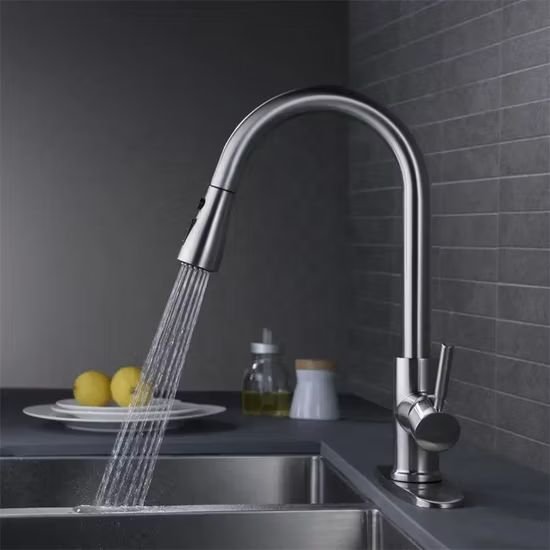
Kitchen faucets get the heaviest daily use, so prioritize brass or stainless steel with a ceramic disc cartridge. A pull-down or pull-out sprayer adds real convenience for washing dishes and large pots.
Bathroom basin faucets see lighter use. But they still benefit from solid brass construction. This matters most in hard-water cities. Single-lever designs are also a smart pick. They’re easier to operate with wet or soapy hands.
Shower and bath mixers need reliable temperature control. They also need pressure balancing. This is where cheaper zinc alloy units tend to fail first. Their internal mixing valve wears unevenly.
Installation and Maintenance Tips That Extend Faucet Life
- Install an inline filter or strainer if your area has hard or sediment-heavy water. This protects the cartridge from premature wear.
- Clean the aerator every few months by unscrewing it and rinsing out mineral deposits.
- Avoid over-tightening handles; ceramic cartridges only need a light quarter-turn to shut off fully.
- Have a plumber check supply-line connections once a year. Most leaks start at the fitting, not the faucet body itself.
Buying Locally vs. Importing
A few years ago, many Pakistani homeowners imported faucets from the UAE or China. They did this for better quality. That gap has narrowed considerably.
Local manufacturers now produce brass faucets with the same core materials. The cartridge technology is the same too. On top of that, local brands often offer better after-sales support. Warranty claims are also easier than with an imported unit bought online.
For most households, an established local brand is now the more practical choice. You get comparable quality. There are no customs delays. And you won’t struggle to get a replacement part shipped internationally.
Final Thoughts
The right faucet isn’t the most expensive one on the shelf. It’s the one that matches your water conditions, usage level, and budget for the long run.
For most Pakistani homes, solid brass with a ceramic disc cartridge remains the safest bet. This is especially true in hard-water or coastal cities.
So take a little time before you buy. Check the material. Check the cartridge type. Do this, and you’ll avoid the cycle of replacing cheap taps every year or two.
Frequently Asked Questions
Which material is best for faucets in Pakistan’s hard water areas?
Solid brass is the most reliable choice for hard-water cities like Lahore and Faisalabad. It resists limescale buildup better than zinc alloy and holds up longer under daily use.
Why do cheap faucets stop working so quickly?
Most budget faucets use rubber-washer valves or low-grade zinc alloy bodies. Both wear out fast. Brass bodies with ceramic disc cartridges last much longer. The difference shows quickly under hard or saline water conditions.
Is stainless steel better than brass for kitchen faucets?
Stainless steel resists rust completely. It’s a strong option for kitchens. But well-made brass faucets offer similar longevity. And they usually cost less. That’s why brass remains the more common choice in Pakistani homes.
How much should I expect to pay for a good quality faucet? Pricing depends on material, brand, and features. It also shifts with metal and currency rates. As a rule of thumb, mid-range brass faucets with ceramic cartridges offer the best long-term value. They beat both the cheapest and the most expensive tiers.
Do I need a special faucet for low water pressure? Yes. Look for faucets rated for variable pressure conditions. Homes relying on tanks and motor pumps often see pressure fluctuations. Over time, this can damage cheaper cartridges.
How often should I replace a bathroom or kitchen faucet? A well-maintained brass faucet with a ceramic cartridge can last 10–15 years. Watch for warning signs. These include persistent dripping, stiff handles, or visible corrosion. If you see them, replacing the unit is usually cheaper than repeated repairs.
