

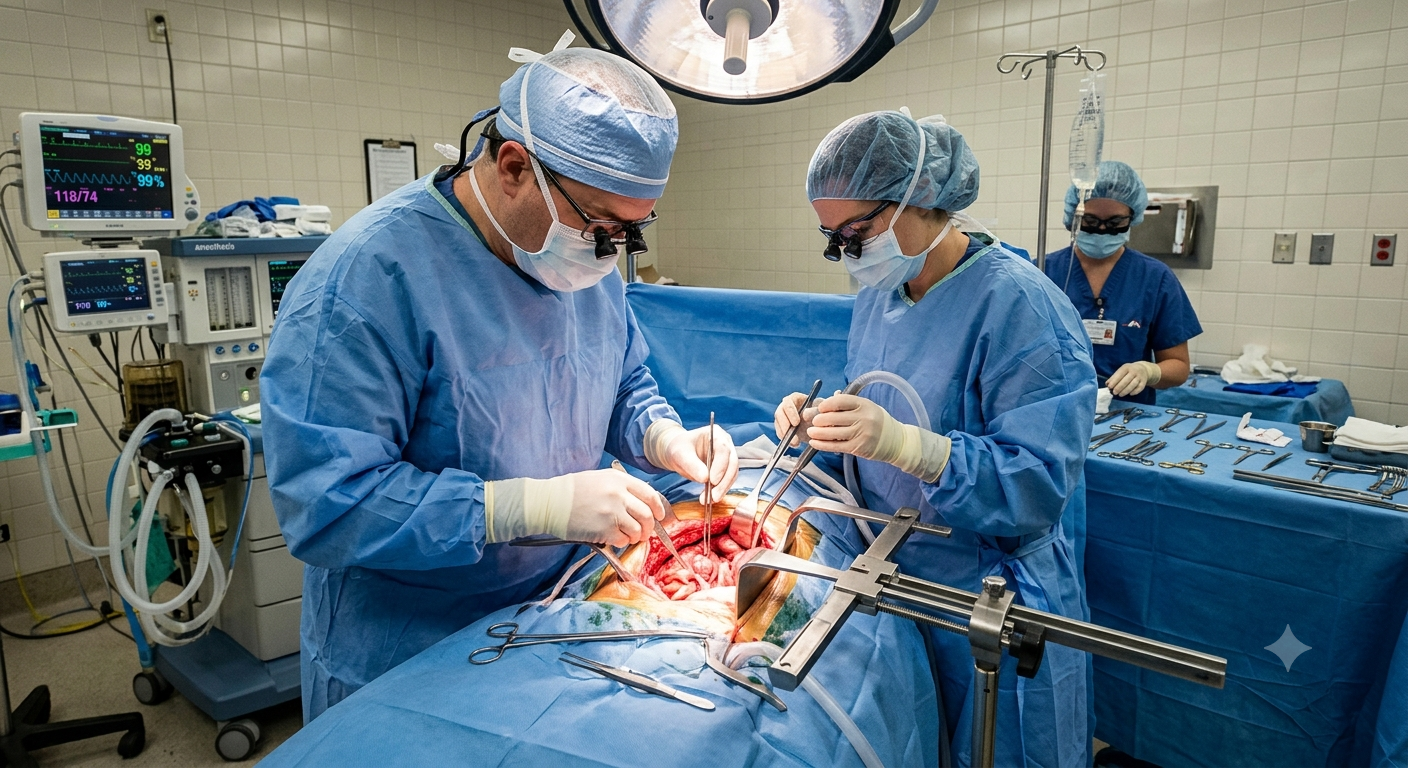
Surgical retractors are essential instruments used in hospitals and surgical centers around the world. They help surgeons create a clear view of the operating area by gently holding back tissues, muscles, and organs. Good visibility is necessary for performing accurate and safe procedures. Without proper exposure, even experienced surgeons may find it difficult to work with precision.
These instruments are used in many medical specialties, including general surgery, orthopedic surgery, cardiovascular surgery, neurosurgery, and plastic surgery. Their simple yet effective design helps improve surgical performance while supporting patient safety. A high-quality retractor tool plays an important role in successful retractor surgery by providing better access to the treatment area and reducing unnecessary tissue movement.
What Are Surgical Retractors?
Surgical retractors are medical instruments designed to separate tissues and keep them away from the surgical site during an operation. This creates enough space for surgeons to perform procedures with greater accuracy.
Some retractors require an assistant to hold them throughout the surgery, while others remain in place using a self-retaining locking system. Both types are selected based on the type of operation and the amount of exposure required.
Most retractors are made from medical-grade stainless steel because it is strong, resistant to corrosion, and suitable for repeated sterilization. This makes the instruments durable and reliable for long-term use.
Improved Visibility During Surgery
One of the greatest advantages of surgical retractors is the clear visibility they provide. During any operation, surgeons need an unobstructed view of the treatment area to identify important structures such as blood vessels, muscles, nerves, and organs.
By gently holding tissues away from the surgical field, retractors create enough working space for precise movements. Better visibility helps surgeons make accurate decisions throughout the procedure while reducing unnecessary risks.
Clear exposure also improves communication between members of the surgical team because everyone can see the operating field more easily.
Better Surgical Accuracy
Accuracy is one of the most important goals of every surgical procedure. Surgical retractors help improve precision by keeping tissues stable throughout the operation.
When tissues remain in the correct position, surgeons can perform delicate tasks with greater control. They can place sutures accurately, remove damaged tissue carefully, and protect nearby healthy structures.
A properly selected retractor tool allows surgeons to concentrate on the procedure instead of repeatedly adjusting the operating field. This leads to smoother and more reliable surgical performance.
Increased Patient Safety
Patient safety is another major advantage of surgical retractors. Good exposure reduces the chance of accidental injury to nearby tissues because surgeons can clearly see the structures they are working around.
Instead of using excessive hand pressure to move tissues, retractors provide controlled and steady separation. This helps reduce unnecessary tissue stress and lowers the risk of complications.
Maintaining a stable operating field also supports careful surgical techniques that protect healthy organs and surrounding structures throughout the procedure.
Greater Efficiency in the Operating Room
Efficiency is important for both patients and medical teams. Surgical retractors help reduce delays by keeping tissues in position throughout the operation.
Surgeons spend less time adjusting the surgical area and more time completing the procedure itself. This smoother workflow can shorten operating time and improve overall efficiency.
Self-retaining retractors offer additional benefits because they stay in place without continuous manual support. This allows assistants to focus on other important responsibilities during surgery.
Reduced Surgeon Fatigue
Long surgical procedures can be physically demanding. Surgical retractors help reduce fatigue by creating a stable working environment that requires fewer repeated adjustments.
When tissues remain properly positioned, surgeons can work with greater comfort and concentration. Assistants also benefit because self-retaining instruments reduce the need to hold retractors continuously for long periods.
Improved comfort allows the surgical team to maintain better focus throughout lengthy procedures.
Useful in Many Medical Specialties
One of the biggest advantages of surgical retractors is their wide range of applications. General surgeons use them during abdominal procedures to expose internal organs safely.
Orthopedic surgeons rely on retractors to access bones, joints, and muscles during fracture repairs and joint replacement surgeries. Neurosurgeons use specialized retractors to protect delicate brain and spinal tissues while performing complex operations.
Plastic surgeons use smaller retractors during cosmetic and reconstructive procedures, while gynecologists depend on them during pelvic surgeries. Cardiovascular surgeons also use specially designed retractors to improve access during heart operations.
Their versatility makes them valuable in almost every operating room.
Better Support for Retractor Surgery
Successful retractor surgery depends on maintaining clear visibility and stable tissue positioning throughout the procedure. Retractors help achieve both goals by creating enough space for surgeons to perform their work safely.
Proper exposure allows surgeons to complete complex procedures with fewer interruptions. Stable tissue positioning also reduces the need for repeated adjustments, improving workflow during the operation.
These advantages contribute to better surgical outcomes and increased confidence among medical professionals.
Easy Cleaning and Long Service Life
Surgical retractors are designed for repeated hospital use. Medical-grade stainless steel makes them resistant to rust and corrosion while allowing repeated sterilization.
After every procedure, hospitals clean and sterilize the instruments using approved methods to maintain patient safety. Proper maintenance helps prevent infection and keeps the instruments in excellent working condition.
Regular inspections ensure that retractors remain safe, reliable, and ready for future procedures. Their durability makes them a cost-effective investment for healthcare facilities.
Modern Improvements in Retractor Design
Medical technology has improved the design of surgical retractors over time. Modern instruments are lighter, stronger, and easier to handle than many older models.
Ergonomic handles improve comfort during long procedures by reducing hand strain. Improved locking systems provide stable tissue retraction while allowing quick adjustments whenever needed.
Specialized retractors are also available for minimally invasive surgery, where smaller incisions require carefully designed instruments. These improvements continue to support better surgical performance and improved patient care.
Long-Term Benefits for Healthcare
The advantages of surgical retractors extend beyond individual procedures. Reliable instruments help hospitals maintain consistent surgical quality while supporting patient safety.
Better surgical performance often leads to fewer complications, smoother recovery, and improved patient satisfaction. Efficient operations also allow healthcare facilities to use operating room time more effectively.
As healthcare continues to advance, surgical retractors remain an important part of delivering high-quality medical care.
Conclusion
Surgical retractors provide many important advantages that improve both surgical performance and patient safety. They create a clear operating field, support accurate procedures, reduce tissue movement, and help surgeons work with greater confidence. Their role in improving visibility and maintaining stable exposure makes them essential in almost every type of surgery.
A dependable retractor tool allows surgeons to perform procedures more efficiently while reducing physical strain on the surgical team. Proper retractor surgery techniques, combined with high-quality instruments, help protect healthy tissues and improve surgical outcomes.
As medical technology continues to develop, surgical retractors will remain one of the most valuable instruments in modern operating rooms. Their durability, versatility, and ability to improve surgical precision ensure they will continue supporting successful procedures for many years to come.
More info: AMG Medical
