

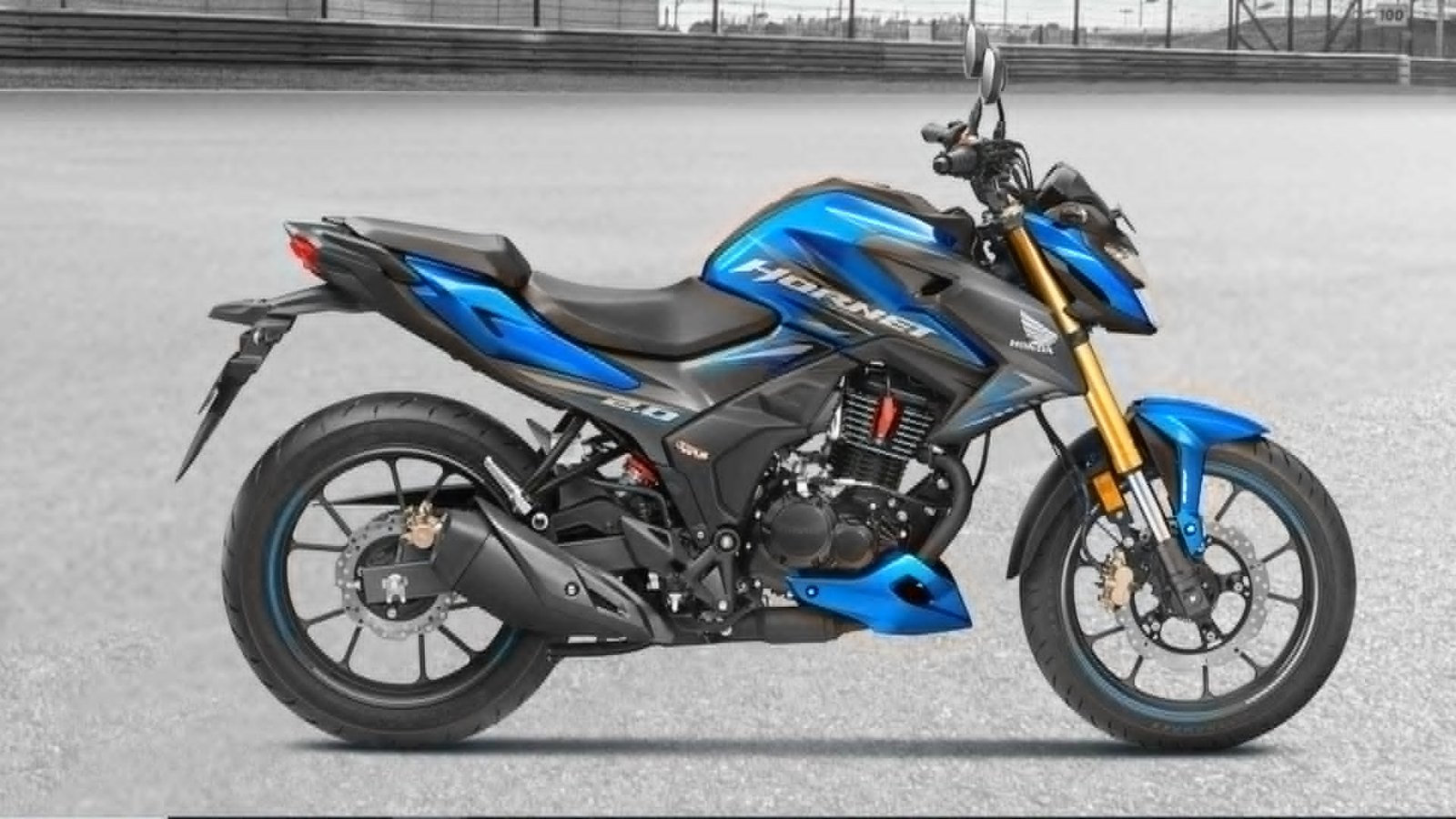
Is Honda Hornet 2.0 Still Worth Buying in 2026 — Or Are You Just Falling for the Hype?
The Honda Hornet 2.0 occupies an unusual spot in the Indian market. It is more powerful than a commuter yet more affordable than most proper sports bikes, and this middle position attracts plenty of attention. Priced at around Rs. 1,48,970 (ex-showroom), it promises sporty styling with Honda’s trademark refinement. But does the bike justify its price in 2026, or are buyers simply drawn to the badge and the aggressive looks? This article separates the facts from the hype.
The short answer
Yes, the Honda Hornet 2.0 remains worth buying in 2026, but only for a specific type of rider. It suits people who want a sporty, fuss-free motorcycle for daily use with occasional highway runs. It does not suit riders chasing outright performance, because rivals in the same price band offer more power and more features.
Hornet 2.0 specifications at a glance
Here is a quick summary of the Hornet 2.0’s engine output, hardware, and pricing, so you can weigh the numbers before reading the detailed assessment that follows.
| Specification | Details |
|---|---|
| Engine | 184.4cc, single cylinder, air cooled |
| Power | 17 PS at 8,500 rpm |
| Torque | 15.9 Nm at 6,000 rpm |
| Gearbox | 5-speed with assist and slipper clutch |
| Kerb weight | 142 kg |
| Fuel tank | 12 litres |
| Front suspension | Golden upside-down fork |
| Brakes | Front and rear discs with single-channel ABS |
| Price | Rs. 1,48,970 (ex-showroom) |
Note: Prices are ex-showroom and vary by city. Confirm the latest figure with your nearest dealer.
What the Hornet 2.0 gets right
The 184.4cc engine is the highlight. It delivers power smoothly and pulls cleanly from low speeds, which makes city riding effortless. The short gearing gives the bike brisk acceleration, and it feels quick enough for confident overtakes. The assist and slipper clutch, added in the recent update, keeps the lever action light in traffic and prevents rear wheel hop during hard downshifts.
Handling is another strong point. At 142 kg, the bike feels light and agile, and the upside-down front fork gives it a planted feel through corners. Riders who commute daily but enjoy a spirited weekend ride will appreciate this balance.
Other practical strengths include:
- A fully digital instrument console with gear position indicator
- All-LED lighting for better visibility
- A comfortable, slightly sporty riding posture that works for long hours
- Honda’s wide service network and low maintenance costs
Where the hype outruns reality
The Hornet 2.0 is not without weaknesses, and buyers should weigh these honestly:
- Single-channel ABS only. Most rivals at this price offer dual-channel ABS, which provides better braking safety.
- Rivals offer more power. Bikes such as the TVS Apache RTR 200 4V and Bajaj Pulsar NS200 deliver stronger performance and longer feature lists for similar money.
- The 5-speed gearbox works hard on highways. A sixth gear would have made cruising more relaxed.
- Mileage claims vary widely. Listed figures range across sources, but most owners report 40 kmpl to 45 kmpl in real-world riding, which is decent for the segment rather than exceptional.
None of these flaws makes the Hornet a bad motorcycle. They simply mean it wins on refinement and ease of ownership rather than on paper specifications.
How it compares with the Honda Unicorn
Many buyers shortlist the Hornet 2.0 alongside the Honda Unicorn, since both come from the same brand and serve daily riders. The choice is simpler than it looks. The Unicorn costs around Rs. 34,000 less, returns better mileage, and focuses purely on comfort and economy. The Hornet 2.0 adds sharper styling, stronger acceleration, and better suspension hardware in exchange for the higher price and slightly higher running costs.
Pick the Unicorn if your riding is entirely about commuting. Pick the Hornet if you want your daily ride to feel exciting as well as dependable.
Who should buy the Hornet 2.0 in 2026
The Honda Hornet 2.0 makes sense for three groups of buyers. First, riders upgrading from a 125cc or 160cc commuter who want more performance without moving to a demanding, high-maintenance machine. Second, young professionals who want sporty looks with proven reliability for the office run. Third, anyone who values low ownership stress, because Honda’s service costs and resale values remain among the best in the segment.
If your priority is maximum power per rupee, or you insist on dual-channel ABS and features such as riding modes, look at the TVS Apache RTR 200 4V or Bajaj Pulsar NS200 before deciding.
The verdict
The hype around the Hornet 2.0 is partly earned. It is genuinely refined, easy to live with, and enjoyable to ride, and the 2026 update has addressed older complaints about features. What the hype hides is that rivals offer more equipment for the money. Buy it for the smooth engine, light handling, and dependable ownership experience, not because the aggressive styling suggests a performance machine. Judged on what it actually promises, the Hornet 2.0 still earns its place on your shortlist this year. Before you book, take an extended test ride covering both open roads and stop-and-go traffic, since the bike’s character shows best in mixed conditions. Compare on-road quotes from two or three dealers in your city, ask about exchange bonuses on your current bike, and check the accessory catalogue, because items such as a seat cowl and engine guard are worth adding at purchase time.
