

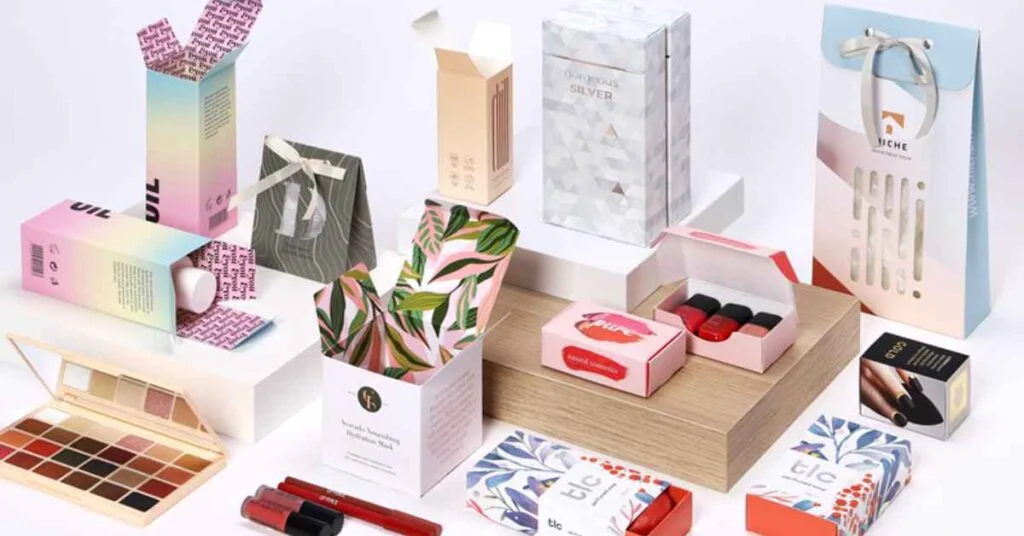
Open ten skincare boxes side by side, and you’ll notice something interesting. The products themselves might be similar: same size jar, same weight, same general shape, but the ones that feel expensive almost never rely on the product alone. It’s the finish on the box that does the heavy lifting before the customer even opens it.
Matte versus gloss, foil versus debossing, soft-touch coating versus plain cardstock- these choices seem small on a spec sheet, but they shape how a customer feels about your brand in the first three seconds of contact. If you’re building or refreshing a cosmetic line, understanding these finishes isn’t optional anymore; it’s part of the product itself.
Why Finishes Matter More Than People Think
A lot of new brand owners spend months perfecting their formula and almost no time thinking about how the box will feel in someone’s hands. That’s a mistake, because touch shapes perception just as much as sight does.
Research on packaging psychology consistently shows that texture influences how customers judge quality, price, and even the effectiveness of a product, sometimes before they’ve read a single word on the label. A rough, cheap-feeling box can undercut a genuinely excellent formula. A well-chosen finish can make a modest product feel like a luxury purchase.
This is exactly the kind of detail covered in the cosmetic packaging finishes guide from BoxBaba, which walks through how different coatings and print techniques change the way a box is perceived, and which ones actually hold up during shipping and shelf handling.
The Main Finish Types Worth Knowing
If you’re new to sourcing packaging, here’s a quick rundown of the finishes that show up most often in cosmetic packaging, and what they actually communicate to a customer.
Matte lamination: Soft, non-reflective, and slightly velvety to the touch. Matte finishes have become the go-to choice for clean beauty and skincare brands because they read as understated and premium at the same time. They also hide fingerprints better than glossy alternatives, which matters more than people expect once a box has been handled a few times.
Gloss lamination: Reflective and vibrant, gloss finishes make colors pop and work well for brands leaning into bold, playful packaging. The tradeoff is that gloss shows scuffs and fingerprints more easily, so it’s better suited for boxes that won’t be handled repeatedly before purchase.
Soft-touch coating: This is the finish people usually describe as “feels expensive” without knowing why. It has a slight rubberized texture that slows down the hand as it moves across the box, which subconsciously signals quality. It costs more than standard lamination but tends to justify a higher price point.
Foil stamping: Metallic foil in gold, silver, rose gold, or custom colors adds a reflective accent, usually on a logo or key detail. Used sparingly, it reads as premium. Used everywhere, it can look dated fast, so restraint matters here.
Embossing and debossing: Raised or recessed detail that adds texture without relying on color or ink. This finish works especially well on minimalist packaging where the brand wants a tactile signature instead of a loud visual one.
Spot UV: A glossy, raised detail applied over a matte background, often used to highlight a logo or specific text. It creates contrast and visual interest without needing foil or heavy ink coverage.
The cosmetic packaging finishes guide breaks each of these down further with real examples, which is useful if you’re trying to visualize how a finish will actually look on your specific box shape and size before committing to a print run.
Matching Finishes to Your Brand Position
The biggest mistake brands make isn’t picking a “bad” finish; it’s picking one that doesn’t match the price point or brand story. A budget-friendly drugstore product with heavy foil and soft-touch coating can look confusing to a shopper, like the packaging is trying too hard. Meanwhile, a $90 serum in plain gloss cardstock can feel underwhelming next to competitors using richer textures.
A simple way to check yourself: look at three direct competitors in your price range and note what finishes they’re using. If you’re priced similarly but your packaging feels noticeably plainer or busier, that mismatch is worth fixing before it costs you sales.
It also helps to think about how the finish will read across different lighting conditions. A soft-touch box that looks rich under warm store lighting can photograph flat under harsh phone camera flash, which matters a lot for brands selling primarily through Instagram or TikTok unboxing content. Testing a sample under natural light, store lighting, and a basic phone camera before finalizing your order can save you from an unpleasant surprise once the full print run arrives.
Practical Considerations Beyond Looks
Finishes aren’t just about appearance. A few practical factors matter just as much:
- Durability during shipping. Some coatings scratch or peel more easily in transit, which matters if you’re shipping direct to consumer.
- Recyclability. Certain laminates and foils make packaging harder to recycle, which is increasingly relevant as more US states introduce packaging waste regulations.
- Cost per unit at scale. Foil and soft-touch coatings both add cost, so it’s worth testing whether the perceived value increase actually justifies the price jump for your margins.
- Print consistency. Matte finishes tend to hide minor print inconsistencies better than gloss, which can matter if you’re working with a smaller print run and tighter quality control.
These are the kinds of tradeoffs the cosmetic packaging finishes guide addresses directly, comparing not just how each finish looks, but how it performs once it leaves the warehouse.
Final Thoughts
Packaging finishes are one of the easiest details to overlook and one of the most effective ways to shape how customers perceive your product before they’ve even opened it. The right finish doesn’t need to be the most expensive one; it needs to match your brand, your price point, and how your product will actually be handled from warehouse to doorstep.
If you’re finalizing packaging for a new or existing cosmetic line, it’s worth spending time with the full cosmetic packaging finishes guide before locking in a print run. Getting this detail right the first time saves both money and a reprint headache down the line.
