

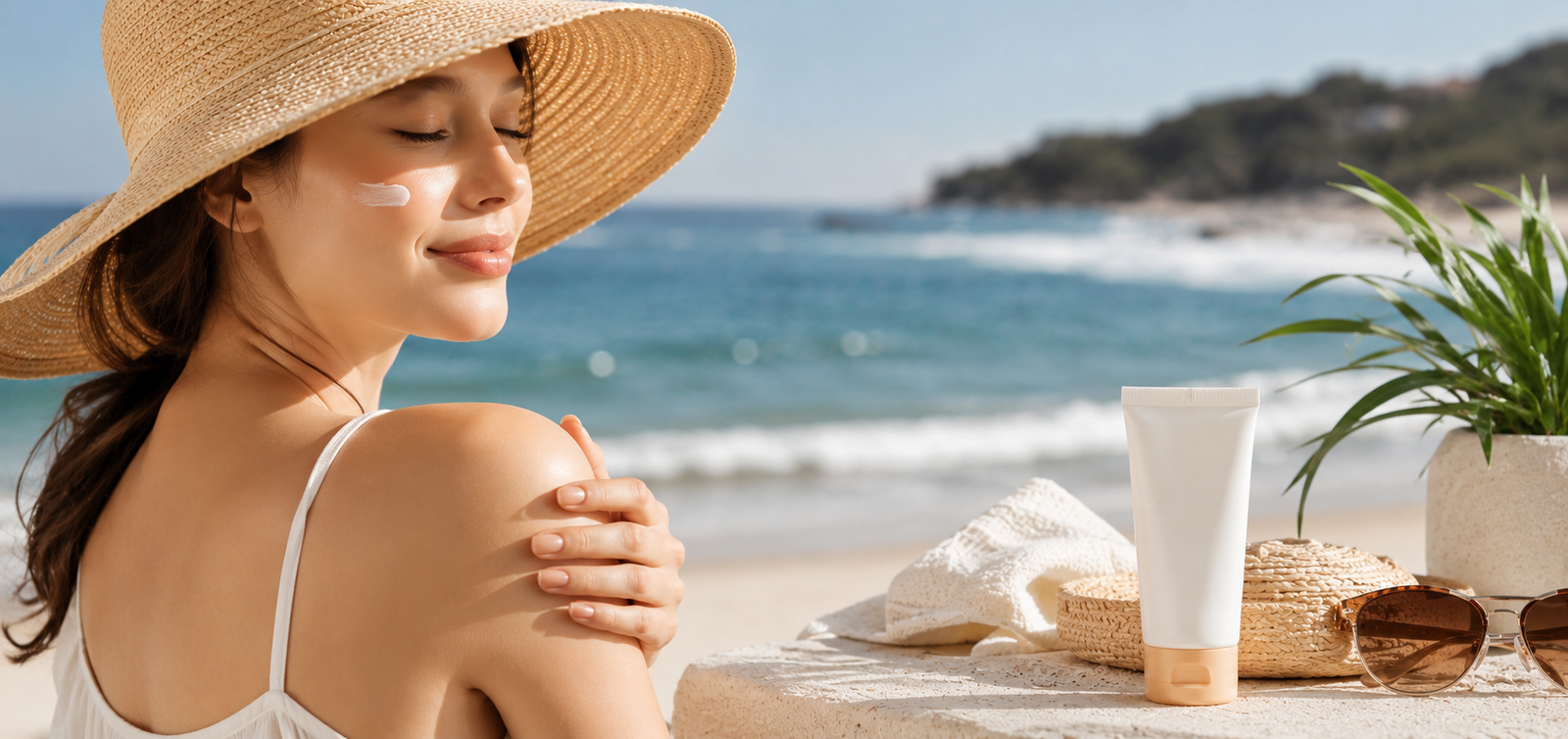
When ultraviolet radiation strikes unprotected skin, it triggers a cascade of microscopic damage that alters the cellular structure. UVA rays, which possess longer wavelengths, penetrate deep into the dermis to destroy collagen and elastin fibers, leading to sagging and deep wrinkles. UVB rays, on the other hand, target the epidermis, causing immediate sunburns and triggering abnormal melanin production that manifests as stubborn hyperpigmentation. Developing a daily application habit acts as an essential insurance policy for your cellular health, preventing these cumulative damages from surfacing over time.
To ensure your face stays entirely protected without experiencing the heavy, greasy, or chalky finish typical of traditional sunblocks, choosing the right formulation is essential. The breakthrough Nicor Sun Shield offers a perfect solution for daily wear, combining broad spectrum SPF 50 defense with an ultra lightweight, hydrophilic, and breathable base. This innovative formula behaves more like a refreshing, water based lotion than a heavy cream, melting into the skin instantly to provide a clear, radiant finish with zero white cast. By creating an invisible protective barrier, it effortlessly blocks harmful ultraviolet rays while infusing the skin barrier with essential moisture throughout the day.
Understanding the Difference Between UVA and UVB Radiation
To truly appreciate the necessity of broad spectrum daily protection, it is vital to understand the distinct threats posed by different wavelengths of sunlight. Solar radiation that reaches the earth consists of two primary types of harmful rays: Ultraviolet A (UVA) and Ultraviolet B (UVB). Each impacts the skin structure differently, but both contribute significantly to long term cellular deterioration and cosmetic damage.
UVA rays are often referred to as the silent aging rays. They make up about ninety five percent of the ultraviolet radiation reaching the Earth’s surface and remain highly active throughout the entire year, even on cloudy winter days. These rays can effortlessly penetrate through window glass, meaning your skin is vulnerable while you are driving, working near an office window, or relaxing indoors. Because they travel deep into the dermal layers, they destroy the structural proteins that keep your skin bouncy, smooth, and firm.
UVB rays are the burning rays, primarily responsible for the redness, inflammation, and physical discomfort associated with sunburns. Unlike UVA, UVB rays fluctuate in intensity depending on the season, time of day, and geographic location, peaking during hot summer afternoons. These rays directly damage the DNA in the superficial layers of the epidermis, causing cellular mutations that can lead to skin abnormalities and serious health risks. A comprehensive daily skincare routine must address both threats simultaneously to maintain total skin safety.
The Role of SPF in Preventing Premature Aging and Fine Lines
The primary metric used to measure sunscreen efficacy is the Sun Protection Factor, which specifically rates how effectively a product shields the skin from UVB induced redness and damage. Incorporating a daily SPF of thirty or higher acts as a literal shield against photoaging, which refers to the accelerated aging process caused by chronic exposure to light. Studies show that up to eighty percent of visible facial aging, including fine lines, coarse wrinkles, and loss of elasticity, is caused by sunlight rather than chronological age.
When unprotected skin absorbs UV light, it undergoes oxidative stress, a process where unstable molecules called free radicals are generated in abundance. These free radicals attack healthy skin cells and trigger the upregulation of enzymes that actively degrade collagen. Over time, this breakdown causes the support structure of the skin to collapse, resulting in fine lines around the eyes, sagging along the jawline, and a generally tired, weathered appearance.
By applying a high SPF protective barrier every morning, you neutralize this destructive pathway before it begins. The physical and chemical filters within your sunscreen absorb or reflect these light waves, preventing them from destabilizing your cells. This simple, daily habit preserves the natural bounce and density of your skin, allowing your natural collagen production to focus on repair and renewal rather than constant damage control.
Addressing Hyperpigmentation and Uneven Skin Tone
Hyperpigmentation, dark spots, and melasma are among the most common and frustrating cosmetic concerns across all skin types. These dark patches occur when specialized skin cells called melanocytes produce an excess of melanin, the pigment that gives skin its color. While hormones, inflammation, and genetics can play a role, ultraviolet exposure is the absolute primary trigger that accelerates and worsens uneven skin tone.
When sun rays hit the skin, they stimulate melanocytes to go into overdrive as a protective defense mechanism, producing excess pigment to shield cellular DNA. This results in localized dark patches, freckles, and a generally dull or muddy complexion. If you are actively trying to fade existing dark spots using active ingredients like Niacinamide or Vitamin C, failing to wear sunscreen will completely undo your progress, as a single day of unprotected sun exposure can instantly re trigger melanin production.
Utilizing a reliable daily defense formula ensures that your brightening treatments can work under optimal conditions. By keeping melanocytes calm and preventing UV induced pigmentation, your skin tone naturally becomes more uniform, clear, and radiant over time. Consistent daily application prevents new spots from forming while allowing existing discoloration to gradually fade away, revealing a luminous and balanced complexion.
How UV Exposure Damages the Delicate Skin Barrier
The skin barrier, or stratum corneum, is the outermost layer of the epidermis that functions as a protective shield, keeping vital moisture locked inside while keeping environmental irritants, bacteria, and pollutants out. When this barrier is healthy and intact, your face feels soft, smooth, plump, and resilient. However, chronic unprotected exposure to ultraviolet radiation acts as a constant assault on this delicate defense system.
UV rays dry out the natural lipids and essential ceramides that bind your skin cells together, leaving microscopic gaps in the barrier. This leads to a condition known as transepidermal water loss, where internal hydration rapidly evaporates into the air, leaving the skin feeling tight, flaky, parched, and sensitive. A compromised barrier is also far more susceptible to redness, itching, and inflammatory conditions like acne flare ups and eczema.
To prevent this cycle of dehydration and irritation, it is vital to select a daily sunscreen that does more than just block the sun. Modern, high performance formulas are infused with hydrating humectants and skin softening emollients that reinforce the barrier while providing broad spectrum defense. This dual action approach ensures your skin remains comfortably hydrated, calm, and deeply protected against both environmental moisture loss and UV damage.
Choosing the Best Sunscreen for Your Unique Skin Type
Finding the perfect sun defense product often requires understanding your specific skin type and its unique daily needs. Historically, many avoided sunscreen because older formulas were notorious for clogging pores, causing breakouts, leaving a heavy greasy film, or leaving a ghostly white residue. Fortunately, modern skincare innovation has created highly sophisticated textures tailored to every skin concern.
For oily and acne prone skin, lightweight, non comedogenic, and water based formulas are essential. Look for sunscreens that absorb quickly without leaving a heavy residue, keeping your pores clear while balancing excess oil production. Those with dry or sensitive skin should seek out formulas enriched with deep hydrators like Hyaluronic Acid and Glycerine, which soothe irritation and replenish lost moisture without causing redness or stinging.
For combination skin types, finding a balanced formula that hydrates dry areas while remaining weightless on the oil prone T zone is the ultimate goal. A breathable, fluid like sunscreen provides the perfect middle ground, offering comfortable all day wearability under makeup or on its own. Understanding your skin’s unique behavior allows you to select a daily formula that you actually look forward to applying every morning.
The Importance of Proper Application and Reapplication
Even the most advanced sunscreen formula will fail to provide adequate protection if it is not applied correctly or in sufficient quantities. Many individuals make the mistake of applying a tiny, pea sized amount of sunscreen to their entire face, which dramatically reduces the actual SPF rating they receive. To achieve the level of safety promised on the packaging, proper application techniques are critical.
Skincare professionals recommend the two finger rule for facial application: squeeze two continuous lines of sunscreen along your index and middle fingers, and apply that entire amount to your face, neck, and ears. Do not forget easily overlooked areas such as the back of the neck, the tops of the ears, and the delicate skin around the orbital bone. Allow the product to fully absorb and set for fifteen minutes before applying makeup or stepping outdoors.
Reapplication is another crucial factor that is frequently neglected. Sunscreen filters gradually break down when exposed to direct sunlight, and they can be easily rubbed off by sweat, oil, touching your face, or clothing. To maintain continuous safety, aim to reapply your sun protection every two to three hours when spending extended periods outdoors, swimming, or perspiring, ensuring your skin remains fully shielded throughout the entire day.
Integrating Sun Protection Into Your Daily Morning Routine
To make daily sun defense an effortless and automatic habit, it should be seamlessly integrated into your existing morning skincare ritual. Sunscreen should always be the absolute final step of your skincare routine, applied after your cleansers, toners, serums, and daily moisturizers have fully absorbed, but right before you apply any primer or cosmetics.
Applying sunscreen after your moisturizer ensures that it forms an uninterrupted protective film on the outermost surface of your skin, allowing it to act as an effective shield against incoming light. If you apply moisturizer over your sunscreen, you will dilute the formula and disrupt the protective barrier, rendering it far less effective. Think of your sunscreen as the final protective seal that locks in your nourishing skincare ingredients while locking out environmental damage.
For those who enjoy wearing makeup, choosing a sunscreen that doubles as a smooth, hydrating base is a fantastic way to simplify your routine. A lightweight, quick absorbing formula with a radiant finish can act as a natural beauty filter, smoothing out minor texture imperfections and helping your foundation glide on flawlessly without pilling or sliding off during warm afternoons.
Key Takeaways from the Editorial
- Dual Radiation Defense: Sunscreens must provide broad spectrum protection to neutralize both deep penetrating UVA rays (responsible for destroying collagen, causing sagging, and inducing fine lines) and superficial UVB rays (responsible for sunburns, inflammation, and immediate cellular damage).
- The Anti Aging Shield: Roughly eighty percent of visible facial aging is caused by photoaging rather than chronological age. Applying a daily SPF of thirty or higher acts as a barrier against the free radicals that break down healthy collagen and elastin.
- Combating Hyperpigmentation: Unprotected sun exposure triggers melanocytes to produce excess melanin, worsening dark spots, melasma, and uneven skin tone. Consistent daily protection prevents new pigmentation from forming and allows existing spots to fade.
- Preserving the Skin Barrier: Chronic UV exposure strips away natural lipids and essential ceramides, leading to transepidermal water loss, dehydration, and increased sensitivity. Modern formulations shield the skin while simultaneously replenishing vital hydration.
- The Power of Proper Application: To achieve the labeled SPF protection, you should apply sunscreen using the “two finger rule” for the face and neck, ensuring all exposed areas (including the ears and back of the neck) are fully covered.
Frequently Asked Questions
What does broad spectrum mean when choosing a daily sunscreen?
Broad spectrum refers to a formula that has been clinically tested to protect your skin from both UVA and UVB rays. While SPF primarily measures defense against UVB rays, a broad spectrum designation ensures you are also protected against deep penetrating UVA rays, which cause premature aging, collagen destruction, and long term cellular damage.
Should I wear sunscreen indoors or on cloudy and rainy days?
Yes, you should wear sunscreen every single day, regardless of the weather or whether you plan to stay indoors. Up to eighty percent of UV rays can easily penetrate through thick clouds, fog, and glass windows. If you sit near a window during the day, work in an office with natural light, or drive a car, your skin is still actively absorbing harmful UVA rays.
Can I use my makeup or foundation with SPF as a replacement for sunscreen?
While cosmetics with added SPF provide a wonderful layer of extra protection, they should never be used as your sole source of sun defense. To achieve the rated SPF level of protection on your makeup bottle, you would need to apply several times the normal amount of foundation, which would look heavy and cakey. Always apply a dedicated daily sunscreen first, and treat makeup SPF as a helpful bonus.
What is the difference between physical and chemical sunscreen filters?
Physical sunscreens, also known as mineral sunscreens, use natural active ingredients like Titanium Dioxide or Zinc Oxide to sit on top of the skin and physically block or reflect UV rays away from the face. Chemical sunscreens use organic compounds that absorb UV rays, convert them into harmless heat, and release them from the skin. Both types are highly effective, but mineral filters are often preferred for highly sensitive skin.
How do I reapply sunscreen over my makeup during the day?
Reapplying sunscreen over a full face of makeup can be easily accomplished without ruining your look. You can use a dedicated sunscreen spray formulated for facial use, gently patting it in with a clean beauty sponge. Alternatively, you can use a compact cushion puff to lightly press a lightweight, fluid sunscreen over your makeup, or use a translucent mineral powder sunscreen to absorb oil while renewing your defense.
Product Spotlight Nicor Sun Shield
The blog highlights the Nicor Sun Shield as a premier solution for daily wear. Formulated with a highly breathable, hydrophilic, and water based lotion texture, this product delivers powerful broadspectrum SPF 50 protection. It melts effortlessly into the skin without leaving a greasy residue or a heavy white cast, making it an ideal protective base under makeup or on its own for all skin types.
Conclusion
Maintaining a healthy, youthful, and radiant complexion relies entirely on consistent, daily sun protection. While advanced active ingredients like Vitamin C, Retinol, and Niacinamide are excellent for targeted treatments, they cannot perform effectively without a strong defensive shield. Daily application of a broadspectrum sunscreen is the ultimate insurance policy for your skin barrier, preventing cumulative UV damage from manifesting as visible signs of aging or stubborn discoloration.
