

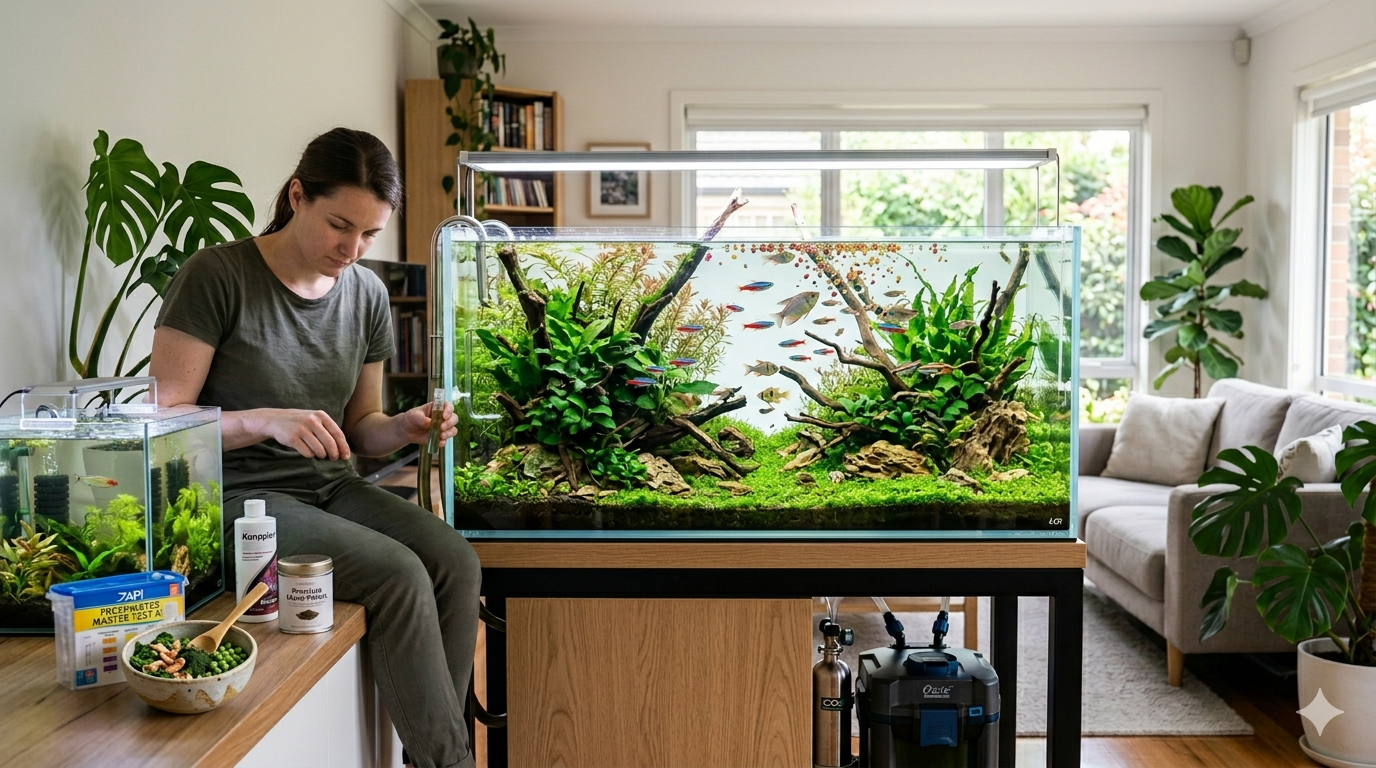
Feeding aquarium fish might seem simple at first glance, but proper nutrition plays a much bigger role than many aquarists realise. The colour, growth, behaviour, and overall health of fish are all closely connected to the quality of their diet. From tropical community tanks to heavily planted aquascapes, selecting the right aquarium fish food helps create a healthier and more balanced aquatic environment.
With countless flakes, pellets, frozen foods, and even homemade options available today, understanding what your fish actually need can make feeding time far more effective and rewarding.
Why Proper Fish Nutrition Matters
Just like any living creature, fish require a balanced diet to thrive. Poor-quality food or overfeeding can quickly lead to water quality problems, stress, and illness within the aquarium.
A nutritious feeding routine supports:
- Strong immune systems
- Better colouration
- Healthy growth
- Increased activity levels
- Improved breeding behaviour
The right aquarium fish food also helps reduce excess waste, which is essential for maintaining stable water conditions.
Understanding Different Types of Aquarium Fish Food
Not all fish eat the same way. Some species feed near the surface, while others search along the substrate for food. Understanding feeding habits helps aquarists choose more suitable diets.
Flake Food
Flakes remain one of the most common options for community aquariums. They are convenient, affordable, and suitable for many tropical species.
However, lower-quality flakes may contain unnecessary fillers that provide limited nutritional value.
Pellets
Pellets are often considered one of the best fish food aquarium options because they come in different sizes and sinking rates.
They are particularly useful for:
- Cichlids
- Goldfish
- Betta fish
- Bottom feeders
High-quality pellets generally create less waste compared to flakes.
Frozen and Live Foods
Many aquarists supplement dry foods with frozen or live options such as:
- Bloodworms
- Brine shrimp
- Daphnia
These protein-rich foods encourage natural feeding behaviours and can improve fish vitality when used in moderation.
Is Homemade Fish Food Worth Trying?
Interest in aquarium fish food homemade recipes has grown significantly among hobbyists who want greater control over ingredients.
Homemade food can include:
- Vegetables like spinach or peas
- Seafood such as prawns or fish fillets
- Gel-based nutrient mixes
- Spirulina and algae blends
While homemade recipes can be highly nutritious, balance is extremely important. Fish require specific proteins, vitamins, and minerals depending on their species.
Improper homemade diets may lead to nutritional deficiencies if not researched carefully.
Feeding Mistakes Many Aquarists Make
Even experienced fishkeepers sometimes overfeed their aquariums. Excess food quickly breaks down, increasing ammonia and nitrate levels.
Common mistakes include:
Feeding Too Much
Fish should generally consume food within two to three minutes.
Ignoring Species Requirements
Herbivores, carnivores, and omnivores all require different nutrient profiles.
Relying on One Food Type
A varied diet often produces healthier and more colourful fish.
Skipping Water Maintenance
Even the best fish food aquarium setup still requires regular cleaning and water changes.
Feeding Fish in Planted Aquariums
In aquascaped aquariums, feeding affects more than just the fish. Uneaten food contributes to algae growth and nutrient imbalance within planted systems.
Many aquascaping enthusiasts focus on controlled feeding routines to maintain crystal-clear water and healthy plant growth. Educational platforms such as School Of Scape often highlight the importance of balancing fish nutrition with overall aquascape stability.
Carefully chosen foods combined with proper maintenance help create a cleaner, more natural aquarium ecosystem.
Tips for Choosing High-Quality Aquarium Fish Food
When shopping for fish food, it is helpful to check ingredient labels rather than relying purely on branding.
Look for foods containing:
- Whole fish or seafood proteins
- Spirulina or algae for herbivores
- Essential vitamins and minerals
- Minimal artificial fillers
Quality food may cost slightly more initially, but it often improves fish health and reduces waste long-term.
Conclusion
Choosing the right aquarium fish food is one of the most important parts of successful fishkeeping. From flakes and pellets to aquarium fish food homemade recipes, the best approach depends on the species being kept and the overall aquarium environment.
By feeding appropriately, maintaining variety, and avoiding overfeeding, aquarists can support healthier fish, cleaner water, and a more balanced aquarium ecosystem. With proper nutrition and consistent care, even a simple aquarium can become a thriving underwater display full of life and colour.
