

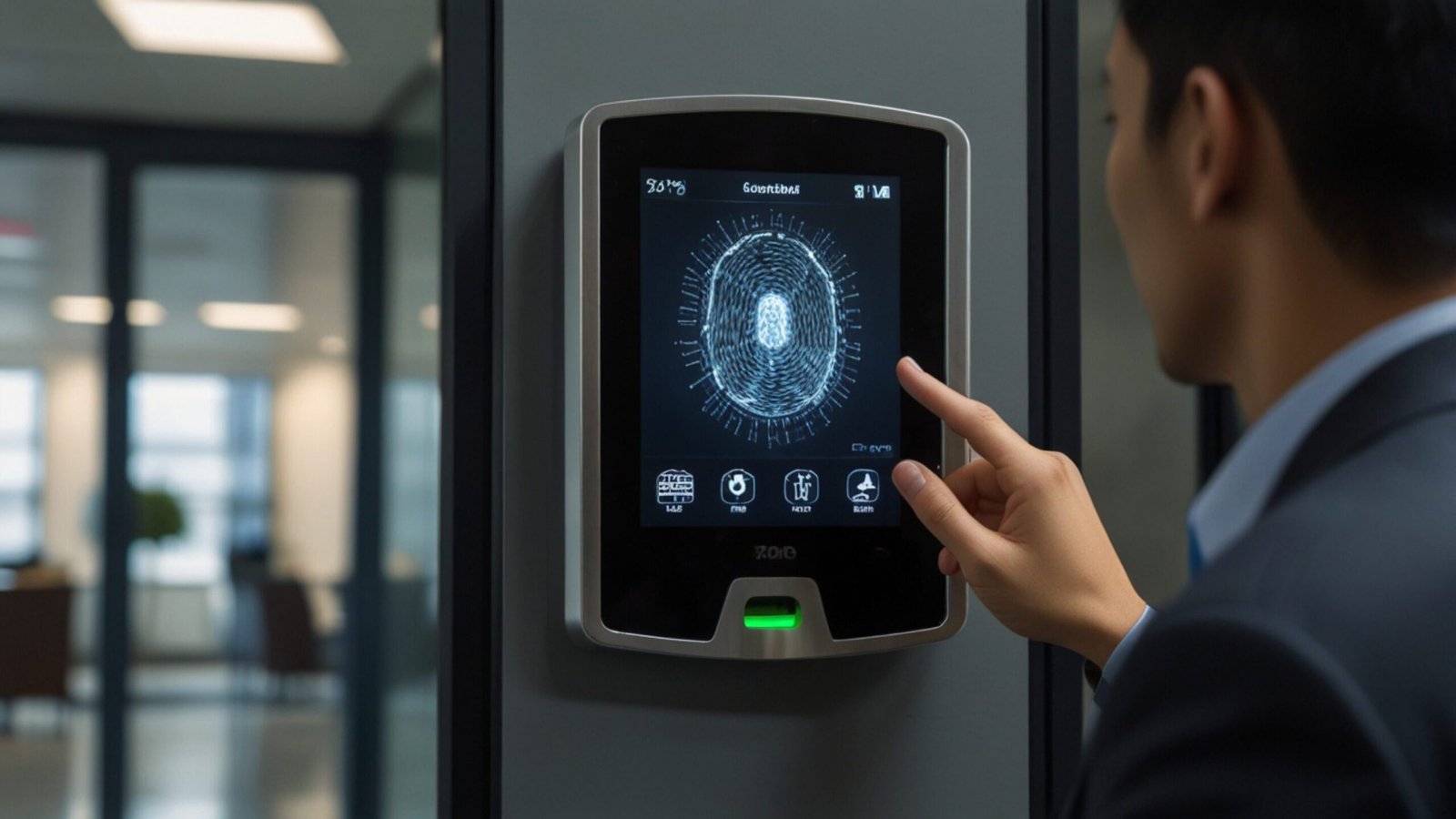
In today’s fast-evolving workplace, managing employee attendance accurately and efficiently is no longer a luxury — it’s a business imperative. Traditional punch cards, paper registers, and PIN-based systems have proven vulnerable to manipulation, errors, and inefficiencies. Enter biometric attendance management systems: a technology-driven solution that is rapidly transforming how organizations track time, ensure accountability, and optimize their workforce.
Whether you run a small business or a large enterprise, understanding biometric attendance systems can help you make smarter decisions about your HR infrastructure.
What Is a Biometric Attendance Management System?
A biometric attendance management system is a technology that uses unique physiological or behavioral characteristics — such as fingerprints, facial recognition, iris scans, or voice patterns — to identify employees and record their attendance. Unlike traditional methods that rely on ID cards or passwords, biometric identifiers cannot be shared, duplicated, or forgotten.
These systems typically consist of a biometric scanner (hardware), software that processes and stores data, and an integrated dashboard that HR teams use for reporting and analysis. Together, they create a seamless, accurate, and tamper-proof attendance record.
The Problem with Traditional Attendance Systems
Before diving into the benefits of biometric systems, it’s worth understanding why businesses are moving away from legacy methods.
Buddy punching — where one employee clocks in on behalf of another — is one of the most common and costly forms of time theft. According to various workforce studies, buddy punching costs organizations billions of dollars annually in inflated payroll. Manual registers are prone to human error, easily manipulated, and time-consuming to process.
Swipe card systems are slightly better but still vulnerable. Cards can be lost, borrowed, or cloned. PIN-based systems suffer from the same problem — passwords can be shared. None of these methods truly verify who is actually present.
Key Benefits of Biometric Attendance Management Systems
1. Elimination of Time Theft and Buddy Punching
The most immediate benefit is the elimination of proxy attendance. Since biometric data is unique to every individual, it is virtually impossible for one employee to mark attendance on behalf of another. This alone leads to significant savings in payroll costs and directly improves workforce discipline.
2. Accurate and Real-Time Data
Biometric systems capture exact timestamps for every check-in and check-out. This data is stored in real time, giving HR managers and payroll teams immediate access to accurate attendance records. There is no need for manual data entry, reducing errors and administrative burden substantially.
3. Seamless Payroll Integration
Modern biometric attendance systems integrate directly with payroll software. Attendance data — including overtime, late arrivals, early departures, and absences — flows automatically into payroll calculations. This eliminates discrepancies between HR records and payroll processing, ensuring employees are paid accurately and on time.
4. Enhanced Security
Beyond attendance tracking, biometric systems double as access control solutions. Organizations can restrict entry to sensitive areas based on biometric identity, ensuring that only authorized personnel gain access. This is particularly valuable in industries such as finance, healthcare, manufacturing, and government.
5. Reduced Administrative Workload
HR teams no longer need to manually compile attendance sheets, investigate discrepancies, or chase down missing data. Automated reports, custom dashboards, and alert notifications handle the heavy lifting, freeing HR professionals to focus on more strategic tasks.
6. Improved Employee Accountability
When employees know their attendance is being tracked through a reliable, unforgeable system, punctuality and discipline naturally improve. Biometric systems create a culture of transparency and accountability that benefits the entire organization.
Types of Biometric Technologies Used
Different organizations choose different biometric modalities based on their environment, budget, and security requirements:
- Fingerprint Recognition — The most widely adopted method due to its low cost, ease of use, and high accuracy. Ideal for office environments.
- Facial Recognition — Increasingly popular as it is contactless, fast, and effective even in high-traffic environments. Especially relevant in a post-pandemic world.
- Iris Scanning — Extremely accurate and used in high-security settings such as laboratories or government facilities.
- Palm Vein Recognition — A contactless method that reads the unique vein patterns in the palm, preferred in hygiene-sensitive environments like hospitals.
- Voice Recognition — Used for remote or field workforce tracking via smartphones or automated phone systems.
Choosing the Right System for Your Business
When selecting a biometric attendance management system, consider the following factors:
- Scalability — Can the system grow with your workforce?
- Integration — Does it connect seamlessly with your existing HRMS and payroll software?
- Data Security and Compliance — Is biometric data encrypted and stored in compliance with local data privacy laws (such as GDPR or India’s PDPB)?
- Ease of Use — Is the interface intuitive for both employees and HR administrators?
- Support and Maintenance — Does the vendor offer reliable technical support and regular software updates?
The Road Ahead
As artificial intelligence and machine learning continue to advance, biometric attendance systems are becoming smarter, faster, and more accurate. AI-powered facial recognition can now identify individuals in milliseconds even in low-light conditions or when wearing masks. Cloud-based biometric platforms are making it easier than ever for distributed and remote teams to be tracked securely and efficiently.
The shift to biometric attendance management is not just a technological upgrade — it is a strategic investment in accuracy, security, and operational efficiency. For any organization looking to modernize its workforce management, biometric systems represent one of the highest-impact steps forward.
