

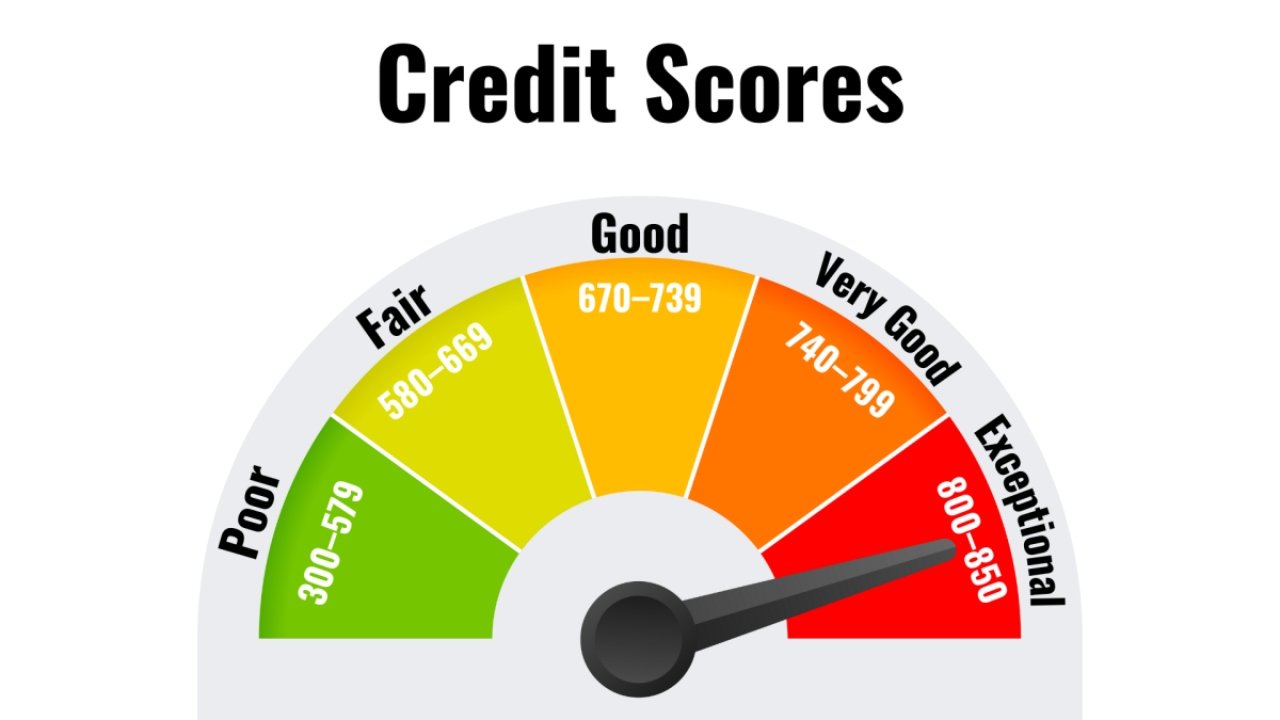
When it comes to improving a credit score, misinformation can be just as damaging as missed payments. Many people in Austin make financial decisions based on outdated advice or common myths, often without realizing those beliefs may be holding them back.
The truth is, misunderstanding how credit works can cost you—in higher interest rates, loan denials, missed opportunities, and slower financial growth.
In this guide, we’ll break down common myths many Austinites still believe, explain what’s true, and show how smarter habits (and sometimes professional Credit Repair Austin support) can help protect your finances.
Why Credit Myths Can Be Expensive
Bad advice often sounds convincing.
You may hear:
- “Never use credit cards.”
- “Checking your score hurts it.”
- “Paying off debt instantly fixes everything.”
Some of these beliefs can actually work against your financial goals.
Understanding what really affects a credit score helps you make better decisions.
Myth #1: Checking Your Credit Score Lowers It
This is one of the most common myths.
Checking your own score does not lower your credit score.
When you review your own credit, it’s generally considered a soft inquiry, not a hard inquiry.
What Actually Can Affect It
Hard inquiries from applications for:
- Credit cards
- Auto loans
- Personal loans
Monitoring your own credit is smart, not harmful.
In fact, regular monitoring can help catch problems early.
Myth #2: Carrying a Credit Card Balance Helps Your Score
Many people believe keeping a balance improves credit.
It doesn’t.
You do not need to pay interest to build credit.
Carrying debt may increase utilization, which can potentially hurt your credit score.
Better Strategy
Use credit responsibly.
- Make purchases
- Pay balances on time
- Keep utilization low
That can support healthy credit without unnecessary interest charges.
Myth #3: Closing Old Credit Cards Always Helps
People often close old accounts thinking fewer cards means stronger credit.
Sometimes the opposite happens.
Closing accounts may:
- Reduce available credit
- Increase utilization ratio
- Shorten average account age
All of those may affect a credit score.
Older accounts can sometimes help your profile.
Myth #4: Paying Off Collections Erases Them Immediately
Paying collections may help financially, but it doesn’t automatically remove them from reports.
Many people assume paid collections disappear right away.
That’s not always how it works.
Depending on circumstances, dispute options or negotiation strategies may matter.
This is one reason some people seek Credit Repair Austin guidance.
Myth #5: Income Determines Your Credit Score
Income can affect financial stability, but it does not directly determine your credit score.
Someone with a moderate income may have excellent credit.
Someone with high income may have poor credit.
Why?
Because scoring models generally focus more on:
- Payment history
- Debt levels
- Credit usage
- Account age
- Inquiries
Good credit habits matter more than income alone.
Myth #6: You Only Need Good Credit for Loans
Many think credit only matters when borrowing money.
Not true.
Your credit score may influence:
- Apartment approvals
- Utility deposits
- Insurance pricing
- Business financing
- Some employment screenings
Credit often affects more than people realize.
Myth #7: Credit Repair Is a Scam
This myth causes some people to avoid getting legitimate help.
Not all services are the same.
While unrealistic promises should raise concern, reputable Credit Repair Austin providers can help review reports, dispute inaccurate items, and guide better credit habits.
Everything Credit LLC focuses on education and practical solutions—not shortcuts.
The right help can make a difference.
Myth #8: One Late Payment Is No Big Deal
Even one missed payment may affect your credit score.
Payment history matters heavily.
Small mistakes can sometimes have larger consequences than people expect.
The solution:
- Set reminders
- Use autopay
- Track due dates carefully
Preventing damage is easier than repairing it.
Myth #9: You Can Fix Bad Credit Overnight
Many “quick fix” claims online are misleading.
Real credit improvement usually takes time.
Some progress can happen quickly—especially through utilization improvements or correcting errors—but meaningful improvement often requires consistency.
Be cautious of instant-fix promises.
Healthy credit is usually built, not hacked.
Why These Myths Hurt Austinites Financially
Believing these myths may lead people to:
- Carry unnecessary debt
- Close helpful accounts
- Ignore errors
- Avoid checking reports
- Delay improving their credit score
That can mean:
- Higher interest rates
- Lower approval odds
- More expensive borrowing
Financial misinformation can be costly.
What Actually Helps Improve Credit
Instead of following myths, focus on proven habits:
Pay On Time
Strong payment history matters.
Keep Balances Low
Lower utilization often helps.
Monitor Reports
Check for errors regularly.
Avoid Unnecessary Applications
Protect your profile from excess inquiries.
Build Positive History
Consistency matters.
Simple habits often outperform “secret tricks.”
When to Consider Credit Repair Austin Support
Sometimes DIY strategies work well.
But if you’re dealing with:
- Reporting errors
- Collections
- Charge-offs
- Identity theft concerns
- Complex credit issues
professional guidance may help.
Everything Credit LLC helps Texans understand what’s hurting their credit score and what steps may improve it.
Sometimes the biggest benefit is clarity.
Final Thoughts
Bad credit advice can quietly damage your finances.
Believing myths about your credit score may lead to costly mistakes, slower progress, and missed opportunities.
The good news?
Most of these myths are easy to replace with better habits.
Monitor your credit, use accounts responsibly, avoid common misconceptions, and focus on long-term consistency.
And if you need support, trusted Credit Repair Austin guidance may help you move forward with confidence.
Better credit often starts with better information.
