

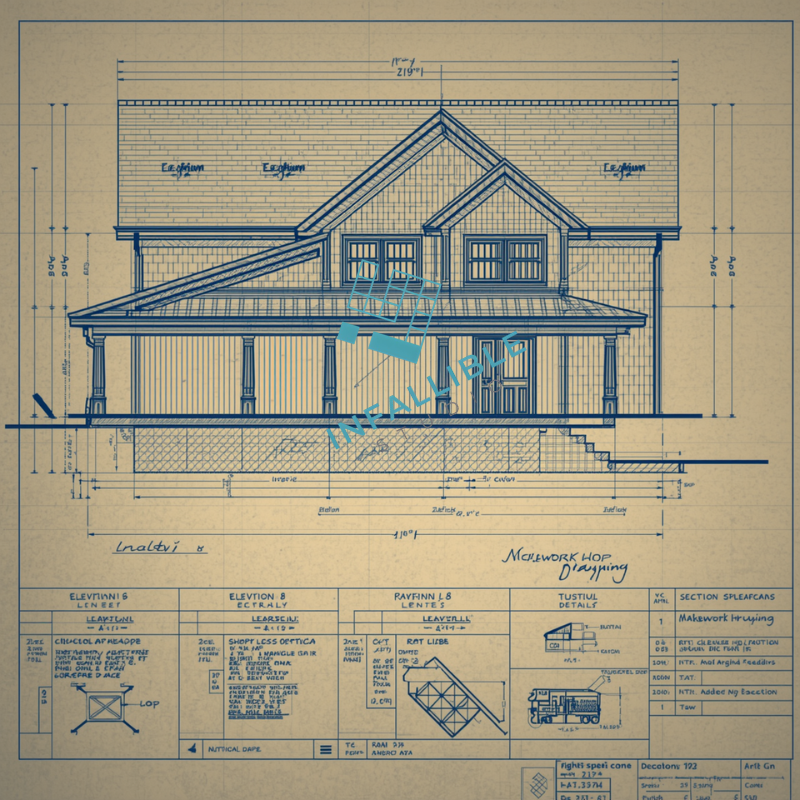
In modern architecture and interior construction, precision is everything. Whether it is a luxury residence, commercial office, retail showroom, hotel, or hospitality project, every custom-built element must fit perfectly within the designed space. This is where custom cabinetry and millwork shop drawings play a critical role.
Millwork shop drawings are highly detailed technical documents that guide fabricators, contractors, architects, and installers during the manufacturing and installation process. These drawings convert conceptual designs into production-ready instructions, ensuring every cabinet, panel, shelving unit, reception desk, wardrobe, or furniture piece is built exactly according to specifications.
Without accurate millwork shop drawings, projects often face costly delays, material wastage, dimensional conflicts, and installation errors. From material thickness and hardware placement to joinery methods and finishing details, these drawings provide the clarity required for flawless execution.
What Are Millwork Shop Drawings?
Millwork shop drawings are detailed fabrication drawings created for custom woodwork and interior architectural elements. They contain exact dimensions, construction details, material specifications, assembly methods, hardware locations, and installation guidelines required for manufacturing.
Unlike conceptual or presentation drawings, shop drawings focus entirely on technical accuracy and production feasibility. These documents help manufacturers understand exactly how each component should be fabricated and assembled.
Millwork shop drawings are commonly used for:
- Custom kitchen cabinets
- Wardrobes and closets
- Reception desks
- Wall paneling
- TV units and entertainment centers
- Retail display units
- Office furniture
- Hotel millwork
- Bathroom vanities
- Shelving systems
- Wooden partitions
- Decorative ceiling features
These drawings act as a communication bridge between designers, architects, fabricators, and on-site installation teams.
Importance of Custom Cabinetry and Millwork Shop Drawings
1. Ensures Accurate Fabrication
Every millimeter matters in interior fit-out projects. Shop drawings provide precise measurements that eliminate guesswork during production. Fabricators can manufacture components accurately without relying on assumptions.
2. Reduces Construction Errors
Detailed millwork drawings identify dimensional conflicts before fabrication begins. This minimizes site errors, rework, and expensive modifications during installation.
3. Improves Coordination Between Teams
Millwork shop drawings help coordinate interior elements with:
- Electrical layouts
- Plumbing systems
- HVAC services
- Ceiling plans
- Flooring layouts
- Structural elements
This coordination prevents clashes during installation.
4. Saves Time and Project Costs
Accurate drawings reduce material wastage, fabrication mistakes, and installation delays. Efficient production ultimately lowers overall project costs.
5. Enhances Design Quality
Detailed shop drawings maintain design intent throughout execution. Designers can ensure every detail, finish, proportion, and material specification is correctly implemented.
Components Included in Millwork Shop Drawings
Professional cabinetry and millwork shop drawings include multiple technical details necessary for fabrication and installation.
General Arrangement Drawings
These drawings show the overall placement and layout of millwork components within the space.
They include:
- Overall dimensions
- Elevations
- Section views
- Plan views
- Location references
Detailed Section Drawings
Section drawings explain internal construction methods and assembly details.
They illustrate:
- Material thickness
- Joinery systems
- Structural supports
- Internal framing
- Connection methods
Material Specifications
Material information helps manufacturers understand the required production standards.
Specifications may include:
- Plywood type
- MDF or HDF panels
- Veneer details
- Laminate finishes
- Solid wood species
- Edge banding
- Glass types
Hardware Details
Millwork shop drawings include exact hardware placements and specifications such as:
- Hinges
- Drawer channels
- Locks
- Handles
- Sliding systems
- Soft-close mechanisms
- Shelf supports
Finish Specifications
Finish schedules define the appearance and surface treatment of millwork elements.
These may include:
- Paint finishes
- Veneers
- Laminates
- PU coating
- Melamine finishes
- Staining details
- Texture references
Installation Details
Installation drawings explain how components should be fixed on site.
They include:
- Anchorage methods
- Wall fixing systems
- Alignment references
- Tolerance requirements
- Site coordination notes
Types of Millwork Shop Drawings
Kitchen Cabinet Shop Drawings
Kitchen millwork drawings include cabinet layouts, countertop details, appliance coordination, storage dimensions, and hardware specifications.
These drawings ensure functional and ergonomic kitchen execution.
Wardrobe Shop Drawings
Wardrobe drawings define:
- Internal storage layouts
- Hanging sections
- Drawer systems
- Sliding door details
- Mirror integration
- Lighting coordination
Reception Desk Drawings
Commercial reception desks require detailed fabrication drawings to achieve both functionality and visual impact.
These drawings include:
- Curved details
- Counter heights
- Cable management
- Branding elements
- Material transitions
Retail Fixture Drawings
Retail millwork shop drawings help fabricate custom display counters, shelving systems, and product display units with precise dimensions and branding consistency.
Wall Paneling Drawings
Decorative wall panel drawings include:
- Panel module sizes
- Groove patterns
- Material finishes
- Mounting systems
- Lighting integration
Software Used for Millwork Shop Drawings
Professional millwork drafting companies use advanced CAD and BIM software for precision detailing.
Common software includes:
- AutoCAD
- SketchUp
- Revit
- SolidWorks
- Cabinet Vision
- Microvellum
- ArchiCAD
These tools improve drafting accuracy and facilitate coordination with architects and contractors.
Millwork Shop Drawings vs Design Drawings
Many people confuse design drawings with shop drawings, but both serve different purposes.
| Design Drawings | Millwork Shop Drawings |
| Focus on concept and aesthetics | Focus on fabrication and construction |
| Created during design phase | Created before manufacturing |
| Basic dimensions | Highly detailed dimensions |
| Presentation-oriented | Production-oriented |
| Limited technical details | Comprehensive technical details |
Shop drawings convert design concepts into executable construction documentation.
Role of Millwork Shop Drawings in Interior Design Projects
In interior construction, millwork often represents a significant portion of the visual and functional quality of the space. Accurate shop drawings help maintain consistency throughout the project lifecycle.
Interior designers rely on these drawings to:
- Validate dimensions
- Review material selections
- Coordinate custom elements
- Approve fabrication details
- Ensure design intent accuracy
Contractors and fabricators use them to streamline production and installation workflows.
Benefits of Outsourcing Millwork Shop Drawings
Many architecture firms, contractors, and millwork manufacturers outsource shop drawing services to specialized drafting companies.
Benefits include:
Access to Skilled Drafting Professionals
Experienced drafting teams understand construction standards, fabrication techniques, and industry best practices.
Faster Project Delivery
Dedicated drafting professionals help reduce turnaround times and improve workflow efficiency.
Reduced Operational Costs
Outsourcing eliminates the need for maintaining large in-house drafting teams and software infrastructure.
Improved Drawing Accuracy
Specialized millwork drafting companies follow strict quality control processes to minimize errors.
Common Challenges in Millwork Drafting
Despite technological advancements, millwork drafting can still present several challenges.
Complex Custom Designs
Luxury interiors often involve curved geometries, hidden storage systems, and unconventional materials that require advanced detailing.
Coordination Issues
Improper coordination with structural, electrical, or plumbing systems can create site conflicts during installation.
Frequent Design Revisions
Interior projects often undergo multiple design modifications, requiring constant updates to shop drawings.
Tight Project Timelines
Fast-track construction projects demand rapid drafting and approval processes without compromising accuracy.
Best Practices for High-Quality Millwork Shop Drawings
To achieve accurate and efficient millwork documentation, professionals follow several industry best practices.
Conduct Thorough Site Verification
Accurate site measurements are essential before preparing fabrication drawings.
Maintain Layer and Annotation Standards
Organized CAD standards improve drawing readability and coordination.
Use Detailed Sections and Enlarged Views
Complex assemblies should always include enlarged construction details.
Coordinate with Other Disciplines
Regular coordination meetings help identify clashes early in the project.
Review Drawings Before Production
Quality checks help eliminate fabrication and installation errors.
Future of Millwork Shop Drawings
The future of millwork drafting is increasingly driven by automation, BIM technology, and digital fabrication workflows.
Emerging trends include:
- BIM-integrated millwork modeling
- CNC-ready fabrication drawings
- Parametric cabinetry systems
- Cloud-based collaboration
- 3D visualization integration
- AI-assisted drafting workflows
These technologies improve accuracy, reduce manual work, and accelerate project delivery.
Conclusion
Custom cabinetry and millwork shop drawings are essential for transforming interior design concepts into reality. They provide the technical precision required for accurate fabrication, smooth coordination, and efficient installation.
From residential cabinetry to large-scale commercial interiors, detailed millwork shop drawings reduce construction risks, improve project quality, and ensure successful execution. As interior projects continue to become more sophisticated, the importance of accurate millwork drafting will only continue to grow.
For architects, contractors, interior designers, and millwork manufacturers, investing in professional shop drawing services is a crucial step toward achieving flawless project outcomes.
