

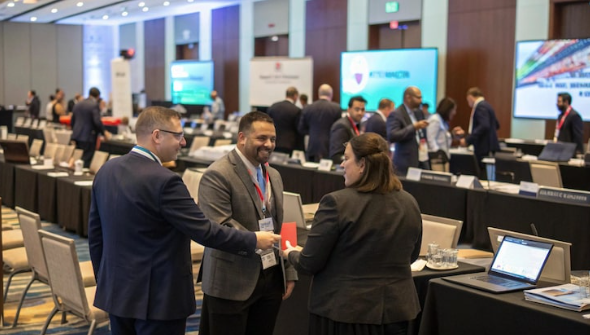
Creating a business event that people actually enjoy and remember takes more than booking a venue and sending invitations. A skilled corporate event organizer understands that engagement comes from thoughtful planning, clear goals, and meaningful experiences that connect with attendees from start to finish.
Clear Purpose and Strong Planning
Every successful event begins with a clear purpose. Whether the goal is to build relationships, launch a product, or train a team, defining the objective sets the direction for everything else. Without this clarity, events can feel scattered and forgettable.
Planning then becomes the backbone of the entire process. Timelines, budgets, and responsibilities must be organized early. Experienced teams like Global Event Services LLC focus on breaking down the event into manageable steps. This approach ensures nothing is overlooked and helps avoid last-minute stress.
A well-structured plan also allows flexibility. Adjustments are often needed, and having a solid foundation makes it easier to adapt without disrupting the overall experience.
Audience-Focused Experience Design
Engaging events are built around the people attending them. Understanding the audience’s preferences, expectations, and interests plays a big role in shaping the event experience.
Instead of using a one-size-fits-all approach, planners focus on creating moments that feel relevant and personal. This can include interactive sessions, networking opportunities, or creative activities that encourage participation.
For example, shorter sessions with engaging speakers often hold attention better than long presentations. Adding live polls, Q&A segments, or hands-on elements can also make attendees feel involved rather than passive.
Creative Themes and Atmosphere
A strong theme can bring an event to life. It gives the event a unique identity and helps tie all elements together, from décor and lighting to messaging and activities.
Themes do not need to be overly complex. Even a simple idea, when executed well, can create a memorable atmosphere. Colors, visuals, and branding should align with the purpose of the event and the organization’s image.
Lighting, music, and layout also contribute to the overall mood. A comfortable and visually appealing environment makes attendees more likely to relax, connect, and stay engaged throughout the event.
Smart Use of Technology
Technology plays an important role in modern business events. It helps streamline processes and enhances the attendee experience.
Event apps, digital check-ins, and live streaming are just a few examples of tools that can improve efficiency and accessibility. These features make it easier for attendees to stay informed and participate actively.
Technology also allows for better communication before, during, and after the event. Updates, reminders, and follow-ups can be shared quickly, keeping everyone connected.
Many corporate event planners rely on data from these tools to understand attendee behavior. This insight helps improve future events by identifying what worked well and what could be refined.
Seamless Coordination Behind the Scenes
While attendees see the final result, a lot of work happens behind the scenes. Coordination between vendors, speakers, and staff must be smooth to deliver a polished experience.
This includes managing schedules, handling logistics, and ensuring every detail aligns with the overall plan. Even small issues, if not handled properly, can affect the flow of the event.
Teams like Global Event Services LLC focus on maintaining clear communication with all involved parties. This reduces confusion and ensures that everyone is working toward the same goal.
Having a dedicated team to manage operations allows the event to run smoothly, giving attendees a stress-free and enjoyable experience.
Conclusion
Engaging business events are the result of thoughtful planning, creativity, and attention to detail. From setting a clear purpose to designing meaningful experiences, every step plays a role in creating an event that leaves a lasting impression.
By focusing on the audience, using technology wisely, and ensuring smooth coordination, businesses can turn ordinary gatherings into impactful experiences. With the right approach, events become more than just meetings—they become opportunities to connect, inspire, and grow.
FAQs
1. What makes a business event engaging?
An engaging event keeps attendees interested through interactive elements, relevant content, and a comfortable environment that encourages participation.
2. How far in advance should an event be planned?
Planning should begin as early as possible. Larger events may require several months, while smaller ones can be organized in a shorter timeframe.
3. What role does technology play in events?
Technology helps manage registrations, improve communication, and create interactive experiences that keep attendees involved.
4. How can businesses improve attendee participation?
Including interactive sessions, networking opportunities, and engaging speakers can encourage attendees to take part actively.
5. Is it important to follow up after an event?
Yes, follow-ups help maintain connections, gather feedback, and measure the success of the event for future improvements.
