

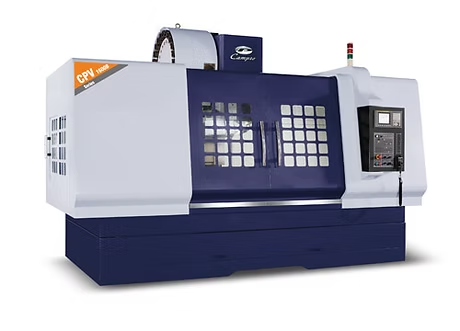
Modern manufacturing relies heavily on precision, efficiency, and automation to meet increasing production demands. CNC machines in the USA have become essential tools across industries, enabling businesses to produce complex parts with high accuracy and consistency. These computer-controlled systems automate machining processes such as cutting, drilling, and milling, reducing human error and improving productivity. From small workshops to large-scale industrial facilities, CNC machines play a vital role in streamlining operations. Their ability to deliver repeatable results and handle diverse materials makes them a cornerstone of advanced manufacturing in today’s competitive industrial landscape.
What Are CNC Machines
CNC machines in the USA refer to computer numerical control systems that automate machining operations through programmed instructions. These machines control tools and machinery with precision, allowing manufacturers to create intricate components with minimal manual intervention. They are capable of performing multiple operations such as milling, drilling, tapping, and cutting in a single setup. This reduces production time while ensuring consistent output quality. CNC technology is widely used in industries that require high precision, including aerospace, automotive, and electronics manufacturing.
Role in Modern Manufacturing
The importance of CNC machines in the USA in modern manufacturing cannot be overstated. These systems enable high-speed production while maintaining tight tolerances, which is critical for producing reliable components.
Industries such as aerospace and automotive depend on CNC machining for parts that must meet strict performance and safety standards. The automation capabilities of these machines also help reduce labor costs and improve overall efficiency. Additionally, CNC systems allow manufacturers to scale production quickly, making them ideal for both small-batch and large-scale manufacturing environments.
Understanding Vertical Machine Centers
A CNC machine’s setup often includes advanced systems like a vertical machine center, which is one of the most commonly used types of CNC equipment. These machines feature a vertically oriented spindle that approaches the workpiece from above, allowing for precise machining operations. Vertical machining centers are capable of handling multiple processes such as milling, drilling, and boring in a single setup. Their design improves visibility and accessibility, making them easier to operate and maintain compared to other machine types.
Benefits of CNC Vertical Machining
CNC machines in the USA have a configuration that includes vertical machining centers and offers several advantages. One of the key benefits is high precision, as these machines can maintain tight tolerances even for complex parts. Another advantage is space efficiency. Vertical machines typically have a smaller footprint compared to horizontal systems, making them suitable for workshops with limited space. They are also easier to set up and operate, which reduces training time and improves workflow efficiency. This makes them a practical choice for both experienced manufacturers and smaller operations.
Applications Across Industries
The versatility of CNC machines in the USA allows them to be used across a wide range of industries. In aerospace, they are used to produce components with complex geometries and strict tolerances. In automotive manufacturing, they help create engine parts, transmission systems, and other critical components. The medical industry also benefits from CNC machining, as it enables the production of precise surgical instruments and implants. Additionally, electronics manufacturing relies on these machines to create intricate components with high accuracy. This wide range of applications highlights the adaptability and importance of CNC technology in modern production environments.
Key Factors to Consider When Choosing CNC Machines
Selecting the right CNC machines involves evaluating several factors. Machine type, production volume, and material compatibility are among the most important considerations. Manufacturers should also assess spindle speed, tool capacity, and automation features to ensure the machine meets their operational requirements. Advanced features such as high-speed spindles and efficient chip management systems can further enhance productivity. Additionally, maintenance requirements and long-term reliability should be taken into account to ensure consistent performance and cost-effectiveness over time.
Conclusion
CNC technology continues to transform manufacturing by improving precision, efficiency, and scalability. These machines enable businesses to meet complex production demands while maintaining high-quality standards. Integrating advanced solutions like a vertical machine center ensures reliable performance and supports the evolving needs of modern industrial processes. By understanding the capabilities and benefits of CNC systems, manufacturers can make informed decisions that enhance productivity and operational efficiency.
