

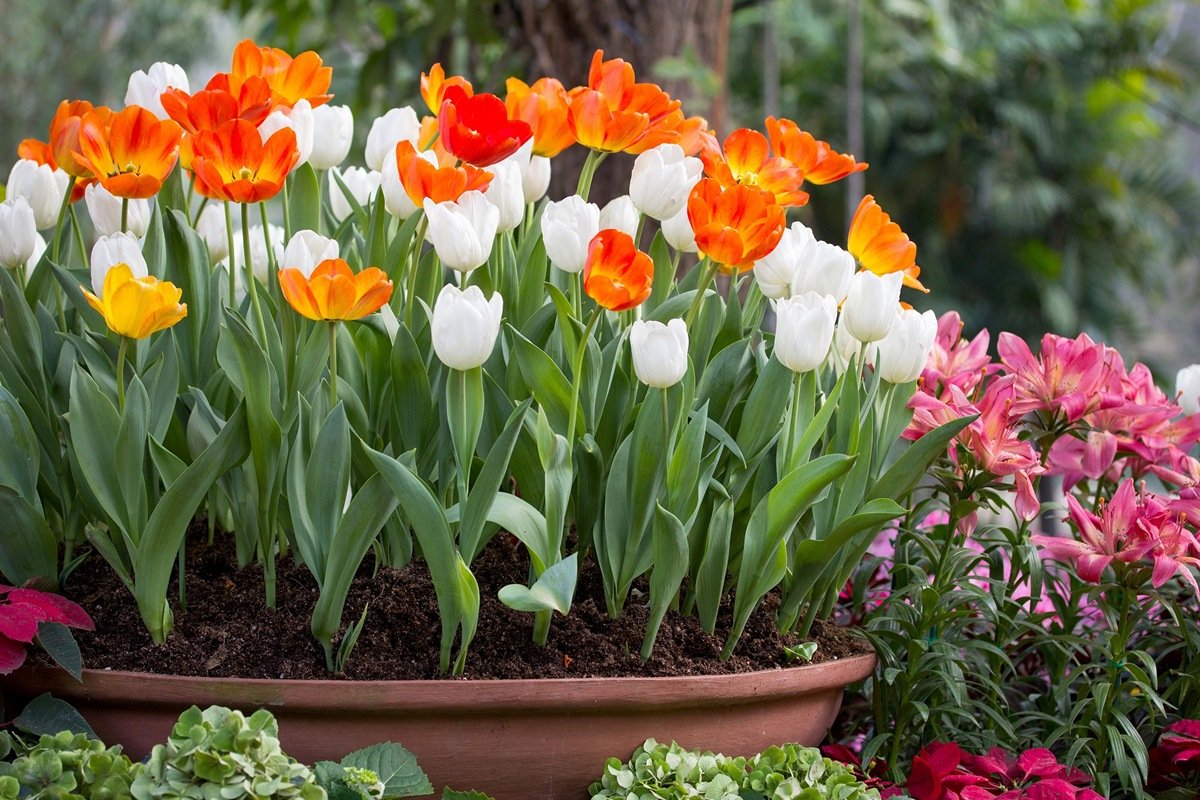
Choosing the right plants is one of the most important steps in creating a healthy and visually appealing garden. Many homeowners select plants based only on appearance, without considering factors such as climate, soil quality, sunlight, and maintenance needs. This often leads to poor plant growth, higher maintenance costs, and disappointing results. A professional garden consultation can help you make informed decisions and create a landscape that thrives throughout the year. Many homeowners seek expert guidance through Garden Consultation in St Louis to ensure their gardens are both beautiful and sustainable.
With the right planning and professional advice, you can select plants that suit your environment, lifestyle, and design goals.
Understanding Your Garden Environment
Before choosing plants, it is essential to understand the conditions of your outdoor space.
Climate Considerations
Different plants thrive in different climates. Some prefer cooler temperatures, while others grow best in warm and sunny environments.
Soil Conditions
Soil quality affects how well plants absorb water and nutrients. Poor soil can limit plant growth and health.
Sunlight Exposure
Certain plants require full sun, while others grow better in partial shade or low-light areas.
A garden consultation evaluates these factors and helps match plants to the right conditions.
Identifying Your Garden Goals
Plant selection should align with your vision for the landscape.
Decorative Gardens
If your goal is visual appeal, consultants may recommend flowering plants, colorful shrubs, or ornamental grasses.
Functional Gardens
For practical spaces, they may suggest:
- Shade trees
- Privacy hedges
- Ground covers
Edible Gardens
If you want fresh produce, a consultation can help you choose herbs, fruits, and vegetables suited to your region.
Defining your goals helps create a more purposeful and organized landscape.
Choosing Plants That Thrive Locally
One of the biggest advantages of a garden consultation is selecting plants suited to your local environment.
Benefits of Local Plant Selection
- Better growth and survival rates
- Reduced maintenance needs
- Improved resistance to pests and diseases
Professionals often recommend native or climate-adapted plants because they perform better with less effort.
Preventing Common Planting Mistakes
Many landscaping problems result from poor plant choices.
Common Mistakes
- Choosing plants that outgrow their space
- Planting sun-loving species in shaded areas
- Ignoring watering requirements
- Mixing incompatible plants together
A garden consultant helps prevent these issues by creating a well-balanced planting plan.
Creating a Balanced Landscape Design
Plant selection is not only about survival—it also affects the overall appearance of your yard.
Color Coordination
Consultants help combine plants with complementary flower and foliage colors.
Layering and Texture
Using plants of different heights and textures adds depth and visual interest.
Seasonal Variety
Selecting plants with different bloom cycles ensures year-round beauty.
A balanced design creates a more attractive and professional-looking landscape.
Selecting Low-Maintenance Plants
Many homeowners want gardens that look beautiful without requiring constant care.
Low-Maintenance Options
Garden consultants may recommend:
- Native plants
- Drought-resistant species
- Perennials that return each year
These plants reduce the need for frequent watering, pruning, and replacement.
Improving Water Efficiency
Proper plant selection can significantly improve water management.
Drought-Tolerant Plants
Choosing plants that require less water helps conserve resources and lower maintenance efforts.
Grouping Plants by Water Needs
Consultants often organize plants with similar watering requirements together to improve irrigation efficiency.
Efficient water use supports healthier plants and more sustainable gardening practices.
Supporting Pollinators and Wildlife
The right plant choices can help create a healthier ecosystem in your garden.
Pollinator-Friendly Plants
Flowers that attract bees, butterflies, and birds improve biodiversity and support pollination.
Eco-Friendly Landscaping
Native plants often require fewer chemicals and fertilizers, making them better for the environment.
Garden consultations can help homeowners create landscapes that are both attractive and environmentally responsible.
Planning for Future Plant Growth
Many plants change significantly as they mature.
Why Planning Matters
Without proper spacing, plants can become overcrowded and compete for sunlight and nutrients.
Professional Guidance
Garden consultants consider:
- Mature plant size
- Root spread
- Long-term maintenance requirements
This planning helps avoid future landscaping problems.
Matching Plants to Your Lifestyle
Not every homeowner has the same gardening habits or available time for maintenance.
Busy Homeowners
Low-maintenance plants are ideal for people with limited gardening time.
Gardening Enthusiasts
More complex plant varieties may suit those who enjoy regular garden care.
A consultation helps select plants that fit your schedule and lifestyle preferences.
Seasonal Planting Recommendations
Plant choices should also reflect seasonal changes.
Spring and Summer Plants
Bright flowering plants and heat-tolerant species thrive during warmer months.
Fall and Winter Interest
Evergreens, ornamental grasses, and seasonal shrubs help maintain visual appeal year-round.
Consultants create planting strategies that keep your landscape attractive in every season.
Preventing Pest and Disease Problems
Some plants are naturally more resistant to pests and diseases than others.
Benefits of Disease-Resistant Plants
- Reduced maintenance costs
- Less need for pesticides
- Healthier garden environments
Professional consultations help homeowners choose hardy plant varieties that are easier to maintain.
Enhancing Property Value
A thoughtfully designed landscape can increase curb appeal and property value.
How the Right Plants Help
- Create a polished appearance
- Improve outdoor functionality
- Enhance overall landscape quality
Healthy and attractive gardens leave a strong impression on visitors and potential buyers.
Benefits of Professional Garden Consultation
Working with a garden professional provides several advantages:
- Personalized plant recommendations
- Better landscape planning
- Reduced risk of costly mistakes
- Long-term garden success
Expert guidance helps homeowners create outdoor spaces that are practical, sustainable, and visually appealing.
Tips for Successful Plant Selection
To make the best plant choices:
- Research local growing conditions
- Test soil quality
- Understand plant care needs
- Avoid overcrowding
- Consider long-term growth patterns
Proper planning improves the health and beauty of your garden.
Conclusion
Choosing the right plants is essential for creating a successful and sustainable landscape. A professional garden consultation helps homeowners understand their garden environment, avoid common planting mistakes, and select plants that thrive in local conditions. From improving water efficiency and supporting pollinators to enhancing property value and reducing maintenance, expert plant selection offers long-term benefits for any outdoor space. Homeowners looking for personalized guidance and healthier landscapes often rely on Garden Consultation in St Louis to create gardens that are beautiful, functional, and easy to maintain throughout the year.
