

If you run a small or mid-sized hotel in India, there is a good chance that a significant chunk of your revenue flows through MakeMyTrip, Goibibo, or Booking.com. And why not? These platforms bring visibility and bookings. But there is a hidden cost that many hoteliers overlook — one that quietly chips away at your profits every single month.
This post is about how you can stop over-relying on OTAs, reduce commission losses, and build a more sustainable revenue model for your property.
The Real Cost of OTA Dependence
Online Travel Agencies typically charge commissions ranging from 15% to 25% per booking. On a room priced at ₹2,000 per night, you could be paying up to ₹500 per booking — just to the platform. Multiply that across hundreds of bookings a year, and you are looking at a significant amount of revenue walking out the door.
Beyond commissions, there are other hidden costs:
• You have limited control over your pricing and promotions
• Guest data belongs to the OTA, not to you
• Your property can get buried under competitor listings
• Any negative review on an OTA platform directly impacts your bookings
“The goal is not to abandon OTAs — it is to use them strategically, while growing your direct business in parallel.”
Why Indian Hoteliers Stay Stuck in the OTA Trap
Many hoteliers feel that without OTAs, bookings will simply disappear. This fear is understandable, but it often leads to a dangerous over-dependence. Here is what typically happens:
• The hotel gets most bookings from one or two OTAs
• There is no direct booking engine on the hotel’s own website
• Inventory is not synced across platforms, leading to overbooking risks
• Rates are not optimised — the same price is offered everywhere
The result? You work harder, host more guests, and still see thin margins.
Step 1: Get a Channel Manager That Works for You
The first step toward OTA independence is having a channel manager that connects all your OTA platforms in real time. A good channel manager ensures:
• Inventory is automatically updated across all platforms the moment a booking comes in
• You eliminate double bookings and the embarrassment that follows
• You can adjust rates on individual platforms without manually logging into each one
Tools like the Hotel Channel Manager allow Indian hoteliers to manage all major OTAs — including MakeMyTrip, Goibibo, Booking.com, Agoda, Airbnb, and more — from a single dashboard. This saves hours of manual work every week and drastically reduces errors.
Step 2: Launch Your Own Direct Booking Engine
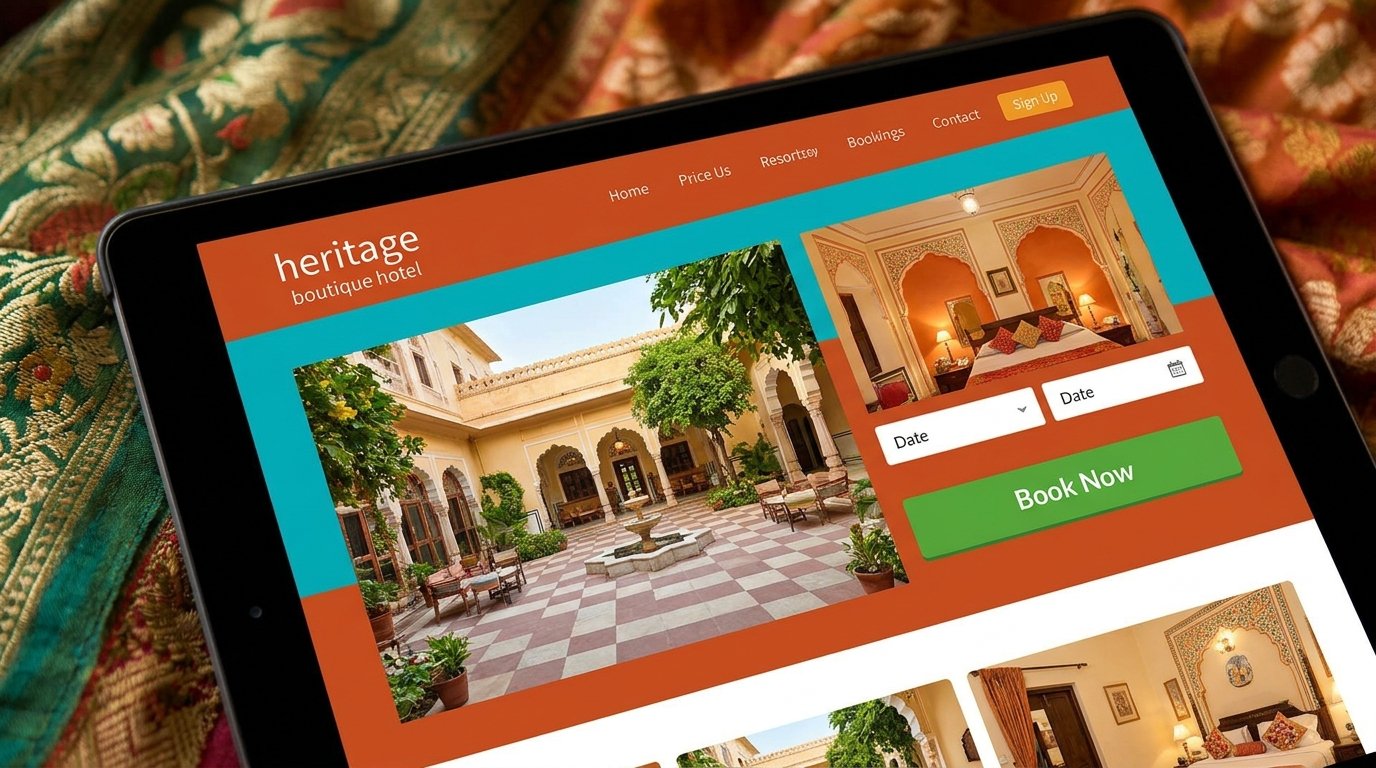
Once your channel manager is in place, the next step is to drive direct bookings through your own website. A booking engine embedded on your site allows guests to check availability and book directly — without involving any OTA.
Direct bookings mean:
• Zero commission paid to third parties
• Full ownership of guest data for future marketing
• Ability to offer exclusive deals, early check-in, or freebies to repeat guests
Even a small shift — say, 20% more direct bookings — can meaningfully improve your bottom line.
Step 3: Use Rate Parity Smartly
Many hoteliers make the mistake of offering the same rates everywhere. A smarter approach is to keep OTA rates slightly higher and offer your best rate on your own booking page. This incentivises guests to book directly with you.
You can also offer value-adds exclusively to direct bookers — such as complimentary breakfast, free airport pickup, or a room upgrade. These perks cost less than the OTA commission but create a strong reason to book direct.
Step 4: Collect and Use Guest Data
One of the biggest advantages of direct bookings is owning your guest’s contact information. With this data, you can:
• Send personalised offers around festivals and holidays
• Run WhatsApp campaigns for repeat bookings
• Build loyalty programs that keep guests coming back
OTAs never share this data with you. When you own your guest relationships, you own your revenue.
The Right Technology Makes It Simple
Managing all of this manually is nearly impossible. But with the right hotel management software, it becomes straightforward. Mini Hotel Man is built specifically for small and mid-segment hotels in India, offering an all-in-one solution that combines a Property Management System (PMS), channel manager, direct booking engine, and WhatsApp integration — all at an affordable price point with 24/7 support.
More than 500 Indian hoteliers already trust this platform to simplify operations and grow their revenue.
Final Thought
OTAs are a powerful tool, but they work best as one part of your distribution strategy — not the whole of it. By investing in a channel manager and a direct booking engine, you can reduce commissions, build guest loyalty, and create a hotel business that is more profitable and more resilient.
The technology is affordable and accessible. The only question is: when will you start?
