

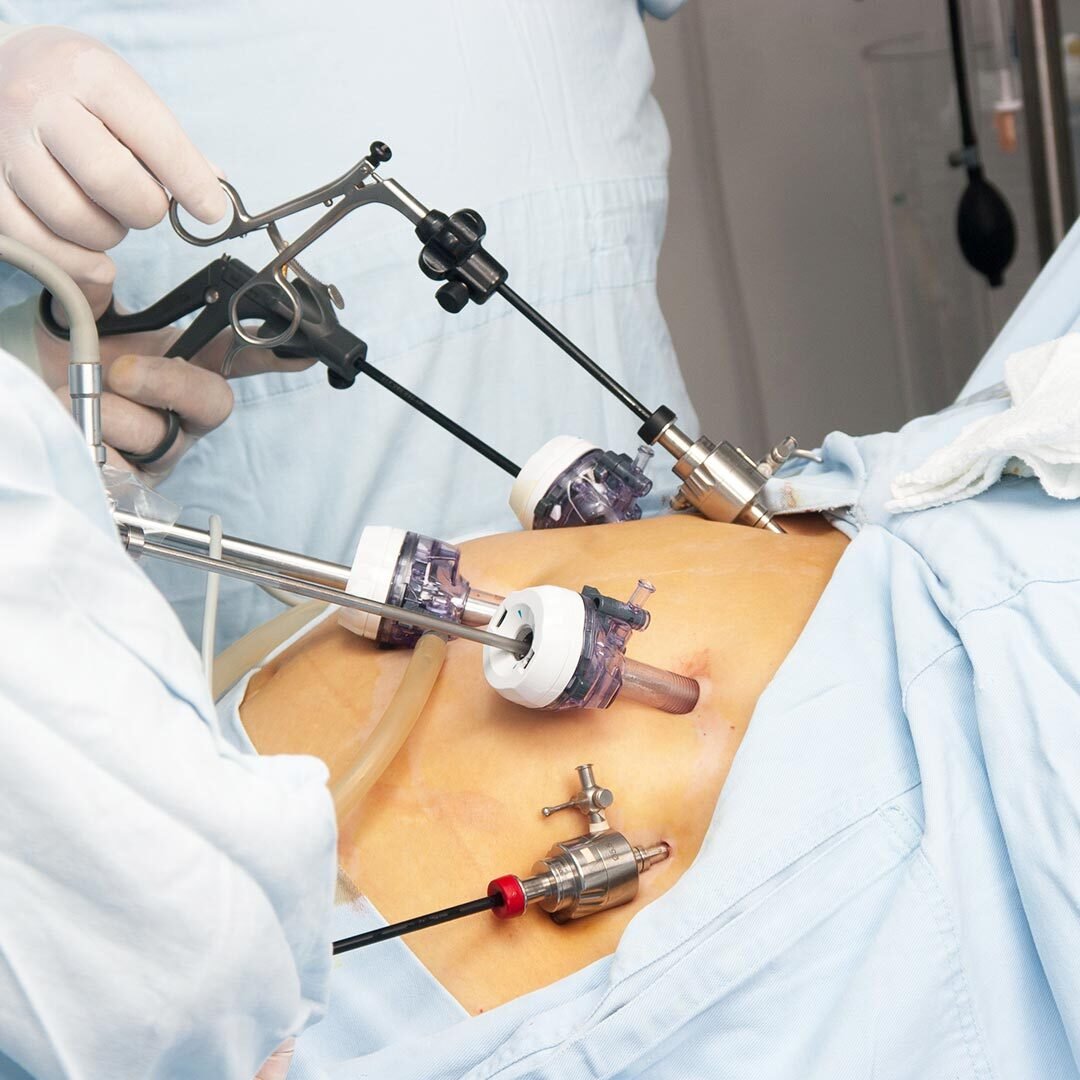
Laparoscopic surgery has transformed modern healthcare by introducing a minimally invasive approach that prioritizes patient comfort, safety, and rapid recovery. Unlike traditional open surgeries, this technique uses small incisions and advanced imaging tools to perform complex procedures with high precision. As a result, patients experience less trauma, reduced pain, and significantly faster healing.
The growing demand for laparoscopic surgery in Islamabad reflects a global shift toward safer and more efficient surgical solutions. With modern medical facilities and advanced technology, patients now have access to high-quality minimally invasive treatments that ensure better outcomes and improved quality of life.
What is Laparoscopic Surgery:
Laparoscopic surgery, also known as keyhole surgery, is a modern surgical technique that involves performing operations through small incisions. A laparoscope—a thin tube equipped with a high-resolution camera—is inserted into the body, allowing surgeons to view internal organs on a screen in real time.
This method eliminates the need for large surgical cuts, reducing damage to surrounding tissues. Specialized instruments are used alongside the laparoscope to perform precise surgical tasks. The result is a safer, more controlled, and less invasive surgical experience.
Why Laparoscopic Surgery Promotes Faster Healing:
One of the most significant advantages of laparoscopic surgery is its ability to promote faster healing. Smaller incisions mean less tissue damage, which allows the body to recover more quickly.
Patients typically experience reduced blood loss during surgery, minimal postoperative pain, and a lower risk of infection. These factors collectively contribute to a faster return to normal activities, making laparoscopic procedures highly beneficial for both patients and healthcare systems.
Key Benefits of Laparoscopic Surgery:
Laparoscopic surgery offers a wide range of benefits that make it a preferred choice in modern medicine.
Minimal Scarring:
Since the incisions are very small, patients are left with minimal scarring. This is particularly important for individuals concerned about cosmetic results after surgery.
Reduced Pain and Discomfort:
Patients report significantly less pain compared to traditional open surgery. This reduces the need for strong pain medications and supports a smoother recovery process.
Shorter Hospital Stay:
Most laparoscopic procedures require shorter hospitalization periods. In some cases, patients can even return home on the same day of surgery.
Lower Risk of Infection:
Smaller incisions reduce exposure of internal organs, lowering the risk of postoperative infections and complications.
Role of Expert Surgeons in Successful Outcomes:
The success of laparoscopic surgery depends greatly on the skill and experience of the surgeon. Precision, training, and familiarity with advanced technology are essential for achieving the best results.
Experienced specialists like Dr naveed azhar play a vital role in ensuring patient safety and surgical success. Their expertise allows for accurate diagnosis, precise surgical execution, and improved recovery outcomes for patients undergoing minimally invasive procedures.
Applications of Laparoscopic Surgery in Modern Medicine:
Laparoscopic surgery is widely used across multiple medical disciplines due to its versatility and effectiveness.
General Surgery:
Common procedures such as gallbladder removal, appendectomy, and hernia repair are frequently performed using laparoscopic techniques. These procedures benefit greatly from reduced recovery time and minimal complications.
Gynecology:
In gynecology, laparoscopic surgery is used for treating conditions such as ovarian cysts, fibroids, and endometriosis. It allows for precise treatment while preserving reproductive health.
Urology:
Urological procedures, including kidney stone removal and prostate surgeries, are increasingly performed using laparoscopic methods for better precision and faster healing.
Oncology:
In certain cancer treatments, laparoscopic surgery enables targeted tumor removal while minimizing damage to surrounding healthy tissues.
Technological Advancements Driving Laparoscopic Surgery:
Modern laparoscopic surgery has greatly benefited from technological innovations. High-definition imaging systems, 3D visualization, and robotic-assisted surgical platforms have enhanced precision and control during operations.
These advancements allow surgeons to perform complex procedures with greater accuracy, reducing risks and improving patient outcomes. The integration of technology continues to push the boundaries of what minimally invasive surgery can achieve.
Patient Recovery and Experience:
Patient experience is one of the strongest advantages of laparoscopic surgery. Reduced postoperative pain, smaller scars, and faster recovery times significantly improve overall satisfaction.
Patients are often able to return to their daily routines much sooner compared to traditional surgery. This not only enhances physical recovery but also supports emotional well-being by reducing stress and anxiety related to long hospital stays.
Challenges and Limitations:
Despite its many advantages, laparoscopic surgery does have certain limitations. It requires specialized equipment and highly trained surgeons, which may not be available in all healthcare settings.
In some complex or emergency cases, traditional open surgery may still be necessary. Therefore, proper evaluation by medical professionals is essential to determine the most suitable surgical approach for each patient.
Future of Laparoscopic Surgery:
The future of laparoscopic surgery is highly promising, with continuous advancements in medical technology and surgical techniques. Artificial intelligence, robotics, and enhanced imaging systems are expected to further improve surgical precision and efficiency.
As these innovations continue to evolve, laparoscopic surgery will become even more accessible, safe, and effective, transforming patient care on a global scale.
Conclusion:
Laparoscopic surgery has revolutionized modern medicine by offering faster healing, reduced pain, and better surgical outcomes. Its minimally invasive nature has made it a preferred choice for both patients and healthcare providers.
Leading healthcare institutions like Royal cosmetic surgery clinic continue to advance these techniques, ensuring patients receive high-quality care and excellent results with every procedure:
