

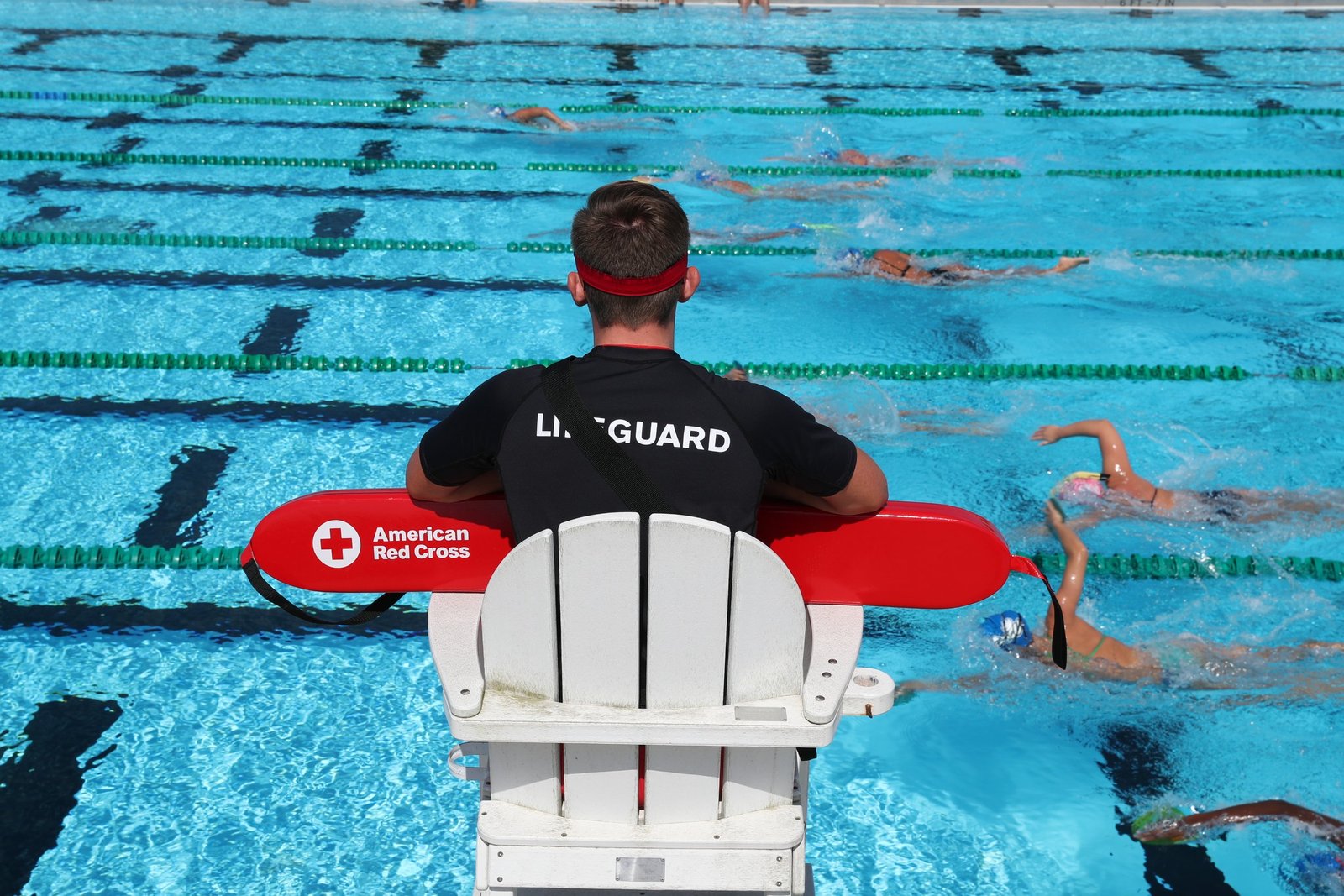
If you’re considering becoming a lifeguard and are searching for lifeguard certification near you, you’re on the right path! Lifeguard certification is essential for those wishing to ensure safety in swimming pools, beaches, water parks, and other aquatic environments. It is the key requirement for securing a job as a lifeguard and protecting people in emergency situations.
In this article, we’ll explain what lifeguard certification is, how to find certification courses near you, and why getting certified is essential for your career and the safety of others.
What is Lifeguard Certification?
Lifeguard certification near me is a credential that confirms an individual has successfully completed training in water safety, rescue techniques, CPR, first aid, and emergency response. This certification is required to work as a professional lifeguard in most aquatic settings, including pools, beaches, resorts, and water parks.
Obtaining lifeguard certification involves a combination of classroom education and practical, hands-on training to ensure that lifeguards are well-equipped to handle various emergency situations and provide first aid when needed.
Why Do You Need Lifeguard Certification?
Lifeguard certification is crucial for several reasons:
1. Safety and Preparedness
Lifeguards are responsible for ensuring the safety of swimmers and preventing accidents in aquatic environments. Certification ensures that you have the knowledge and skills to recognize hazards, prevent accidents, and respond effectively in an emergency.
2. Job Requirements
In order to work as a lifeguard at most pools, beaches, or other aquatic venues, certification is a mandatory requirement. Employers require lifeguards to be trained in life-saving techniques such as CPR, first aid, and water rescues. Having a valid certification gives you the necessary qualifications to be hired.
3. Skill Development
Lifeguard certification training goes beyond just swimming—it involves learning essential emergency response skills, including CPR, AED use, first aid, spinal injury management, and the proper techniques for rescuing victims. This training helps you develop confidence in handling emergency situations.
4. Career Advancement
Once certified, you’ll have the opportunity to move up in the field, taking on leadership roles like head lifeguard or aquatic supervisor. With more experience, you can also become a lifeguard instructor, teaching others how to become certified lifeguards themselves.
What You’ll Learn During Lifeguard Certification
A lifeguard certification course is typically comprehensive, with both theoretical instruction and hands-on training. Here’s what you can expect to learn:
1. Water Rescue Techniques
You’ll be taught how to rescue active (struggling) and passive (unconscious) victims from the water. This includes:
- Shallow and deep-water rescues
- Submerged rescues
- Use of rescue equipment, such as rescue tubes, backboards, and flotation devices
2. CPR and AED
CPR (Cardiopulmonary Resuscitation) and AED (Automated External Defibrillator) training are essential parts of lifeguard certification. You’ll learn how to perform CPR on individuals of various ages (adults, children, and infants) and how to use an AED to restore normal heart rhythm during a cardiac emergency.
3. First Aid
Lifeguard certification includes first aid training, teaching you how to manage injuries such as:
- Cuts, bruises, and abrasions
- Fractures, sprains, and strains
- Heat exhaustion, hypothermia, and dehydration
4. Emergency Response Procedures
You’ll learn the protocols for responding to emergencies in a structured and calm manner. This includes:
- Coordinating with other lifeguards and staff
- Activating emergency medical services (EMS)
- Following emergency action plans (EAPs) during various types of incidents
5. Spinal Injury Management
Lifeguards are trained to manage spinal injuries and immobilize victims without causing further harm. You’ll learn the techniques for stabilizing the head and neck and performing spinal immobilization to protect the victim until medical professionals arrive.
6. Surveillance and Prevention
Prevention is just as important as responding to emergencies. Lifeguards are trained in how to scan the water, spot potential hazards, and prevent accidents before they happen. This includes identifying unsafe behaviors such as swimming in restricted areas or diving in shallow water.
How to Find Lifeguard Certification Near You
There are various ways to find lifeguard certification courses near your location. Here’s how to get started:
1. Local Pools and Recreation Centers
Check with your local swimming pools and community recreation centers. Many public pools offer lifeguard certification courses, especially during the summer months. These courses may also be available year-round, depending on the facility.
2. Water Parks and Resorts
Some water parks and resorts offer lifeguard certification programs for their employees, and they may be open to the public. If you’re interested in working at a specific water park or resort, this is a great way to get certified and potentially secure a job.
3. National Organizations
Organizations like the American Lifeguard USA offer authorized lifeguard certification courses across the country. You can visit their websites to find a list of approved training providers near you.
- Lifeguard Certification: The American Lifeguard offers lifeguard certification nationwide, and you can search for local classes on their official website.
4. Colleges and Universities
Many colleges or universities with aquatic centers offer lifeguard certification programs to students and the public. Contact the recreation or sports department at a nearby school to ask about available certification courses.
5. Online Search
You can search online for lifeguard certification near you using search engines or by browsing local job boards. Many local providers will list their class schedules and registration information on their websites.
Requirements for Lifeguard Certification
Before enrolling in a lifeguard certification course, there are some prerequisites you must meet:
- Minimum age: Typically, you must be 15 or 16 years old (requirements vary by provider and location).
- Swimming ability: You must be able to swim at least 200-300 meters continuously and perform specific swimming tasks.
- Physical fitness: Lifeguards need to be physically fit to handle the demands of the job, so ensure you’re in good health and able to perform rescue tasks.
- Treading water: You should be able to tread water for 1-2 minutes without assistance.
These prerequisites ensure you’re physically capable of handling the responsibilities of lifeguarding.
Duration and Cost of Lifeguard Certification
Lifeguard certification courses typically take 20 to 30 hours to complete, depending on the provider and course format. The training may be spread out over several days or weeks, with both classroom instruction and hands-on practice.
The cost for lifeguard certification varies by location and provider, but generally ranges from $250. Additional fees may apply for CPR and first aid certification, as well as for course materials or certification cards.
Final Thoughts
Lifeguard certification near you is an essential step toward starting a career in aquatic safety. By completing a lifeguard certification course, you will gain the knowledge and skills necessary to respond to emergencies and keep others safe. Whether you’re aiming for a seasonal job at a pool, a full-time position at a beach, or a career in water safety, lifeguard certification is the key to unlocking these opportunities.
Also Read About: How to Choose the Best Homework Help Service Online
