

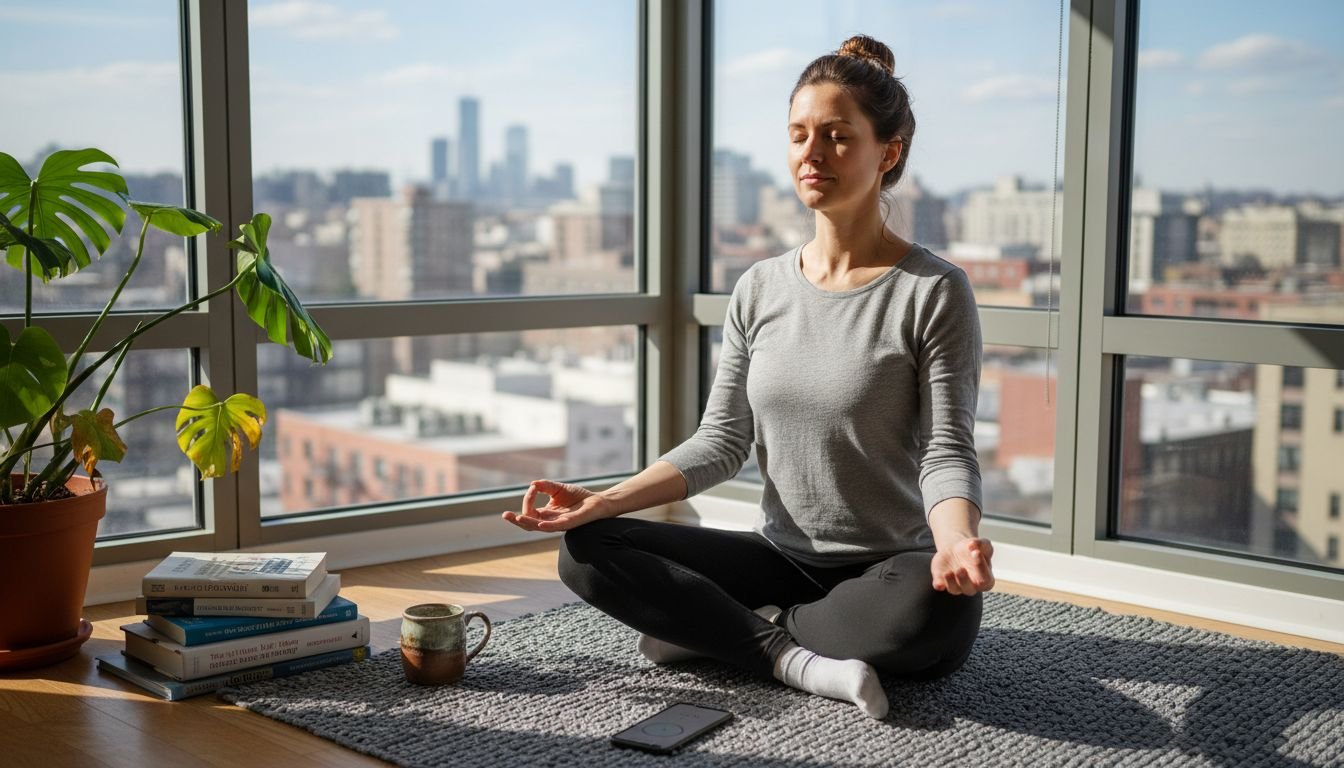
In today’s fast-paced lifestyle, many people strive to stay grounded as they juggle personal responsibilities, professional demands, and the constant influx of information. Mindfulness training has emerged as an effective tool for cultivating inner calm, improving focus, and enhancing overall emotional resilience.
Mindfulness refers to being fully present and aware of your senses, thoughts and emotions without being overly reactive or judgmental. It is an ancient practice which is fully supported by modern psychological research for its significant benefits, such as
- Mindfulness improves well-being
When you constantly practice mindfulness training, it improves your overall well-being. When you are mindful, it makes it easy to savour the pleasures of life as they occur. It helps you in becoming fully engaged in activities and creates greater capacity to deal with adverse situations. By focusing on the present, many people who practice mindfulness find that they are less likely to get caught up in worries about the future or regrets over the past
- Mindfulness improves physical health
If greater well-being isn’t enough of an incentive, scientists have discovered that mindfulness techniques help improve physical health in a number of ways. Mindfulness also help in reducing stress, lowering blood pressure, reducing chronic pain, improving breathing and sleep. In the last decade, mindfulness-based interventions have been effective in dealing with both psychiatric disorders and chronic and severe physical conditions, such as cancer
- Mindfulness improves mental health
In recent years, psychotherapists have adopted mindfulness training in the treatment of numerous problems such as depression, substance abuse, eating disorders, couples’ conflicts, anxiety disorders, and obsessive-compulsive disorder. For instance, Mindfulness-Based Cognitive Therapy training blends traditional cognitive therapy techniques with mindfulness practices such as breath awareness, body scans, and guided meditation to help prevent relapse in individuals with recurrent depression.
- Mindfulness supports emotional balance
It is also now widely used to support anyone seeking greater emotional balance. The practice of mindfulness helps people to recognise their emotional state. It gradually helps in preventing unhelpful and automatic habits and responses. When practising mindfulness, people gradually learn to acknowledge thoughts without judgment or reaction.
Mindfulness may decrease cognitive decline from ageing or Alzheimer’s
It has been observed that many people lose some of their cognitive flexibility and short-term memory as they age. However, mindfulness can help in slowing cognitive decline. People with Alzheimer’s disease have also felt improvement in quality of life with the practice of meditation and mindfulness techniques.
A meditation teacher plays a crucial role in helping people to adapt mindfulness in their day-to-day lives. They share mindfulness techniques, provide understanding of meditation, and support recognition of meditative states. Learning meditation from a trained teacher helps people to truly progress in their practice. They not just share meditation techniques, but also assist people with integrating the benefits of meditation into their everyday lives. They educate their students about the advantages of mindfulness practice and how to overcome challenges. This ensures students not only understand what to do but also why it’s important.
Ultimately, mindfulness training is not just a technique; it is a way of living with greater awareness and compassion. By embracing mindfulness, individuals can experience profound shifts in their emotional well-being and navigate life’s challenges with greater clarity. Whether seeking improved stress management, emotional resilience, or a more centred daily life, mindfulness training offers a powerful and transformative path forward.
SOURCE URL: https://aphelonline.com/mindfulness-training-how-it-helps-in-improving-your-physical-and-mental-health/
