

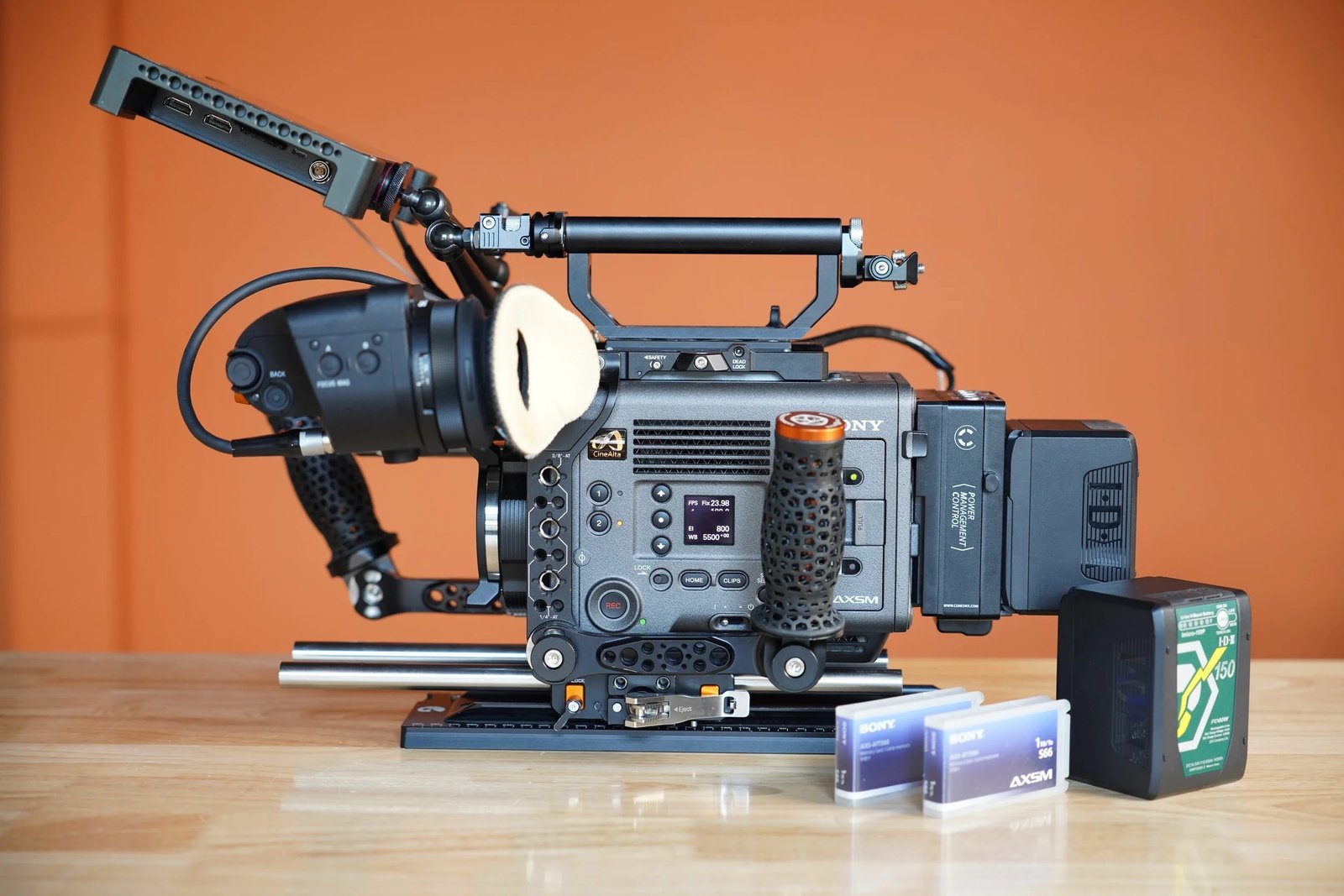
Picking gear for a high-stakes production or a small passion project involves more than just grabbing the priciest kit available. It truly requires some quiet thought about what the day will actually look like once the crew arrives. Filmmakers often get swept up in the thrill of new tech and select tools that look sleek but do not actually help tell the story. This lack of foresight leads to a lot of confused looks and wasted time while the actors wait around. Using camera rentals allows access to world-class glass and sensors without a massive financial burden, yet this strategy only works if the person in charge stays mindful of typical traps. Success usually comes down to the boring, quiet work done long before anyone reaches the location.
Ignoring Technical Compatibility Between Various Gear Components
It is effortless to assume that if a lens physically fits onto a camera, the two will work together perfectly. However, modern electronics are often finicky. You might find a beautiful piece of glass that mounts without a problem, but then you realize the autofocus is jittery or the aperture cannot be adjusted through the camera body. This mismatch forces a sudden shift to manual operation. While manual control is excellent for many situations, doing it under the pressure of a ticking clock often breaks the creative rhythm. It pays to be absolutely certain that every single piece of the puzzle, from the specific tripod plate to the external monitor, actually communicates with the rest of the rig.
Think about how you plan to power every device for twelve hours straight. Using a camera that needs one type of high-voltage brick while your monitor and wireless follow focus require something else is a recipe for a very long, frustrating day. Carrying a mountain of different chargers and specialized cables just makes it more likely that something small and vital gets left behind in the grass. Choosing camera rentals that allow for a unified power system makes life much easier for everyone involved. Taking the extra time to build the rig in the shop ensures that the battery you reach for actually fits the device in your hand when the sun is setting.
Neglecting to Inspect Equipment Before Leaving Shop
Just because a camera body looks shiny and clean does not mean the sensor is pristine. Tiny spots of dust or even small traces of moisture inside a lens can soften your image in ways that you might not notice on a tiny five-inch screen. It is worth the effort to mount every lens and look through the settings while still at the counter. Sometimes the person who had the gear before you changed a deep menu setting that could ruin your frame rate or color profile. Checking for loose ports or wobbly mounting points is also a smart move, as a flickering signal in the middle of a shoot is enough to cause a genuine headache.
Audio often gets treated like an afterthought, but that is a mistake that usually haunts people once they reach the editing room. A stunning visual loses its impact if the dialogue is buried under a layer of static or a mysterious hum. Plug in the microphones and actually listen through headphones before you drive away. Moving the cables around while listening helps identify loose jacks that might cut out during a sensitive take. Taking ten minutes at the rental counter to record a bit of sound and play it back confirms that the files are clean and the internal preamps are behaving as they should.
Underestimating The Importance of Proper Insurance Coverage
Things go wrong on sets because sets are busy, physical places. Someone might trip over a cable, or a sudden gust of wind could send a heavy light stand toward a very expensive lens. Without a solid plan for protection, the person renting becomes the one responsible for the staggering cost of repairs or replacements. Skipping the insurance line item to save a few dollars is a risky decision that rarely yields positive results. One scratched piece or dropped body might easily cost more than the production budget for the year.
It’s tiresome yet vital to read a policy’s intricacies. Certain agreements may have high deductibles, potentially leaving an individual responsible for a significant amount of money. Knowing where the coverage ends and how it covers accidental damage vs theft gives you peace of mind. It helps you to concentrate on the work instead of worrying about the financial catastrophe a simple trip or fall might create. “True confidence on set comes from knowing the gear is protected against the unexpected.”
Forgetting Essential Accessories for Long Production Days
The most advanced sensor in the world is essentially a paperweight if the media cards are missing. It is common to get so focused on the big items that the small, vital accessories get forgotten. Running out of space on a fast card right when the light is perfect is a tough lesson to learn. In addition to storage, it’s important to take into account the cables and adapters that connect different brands of gear. Having a bag of spare parts often saves a production when an unexpected need for a different video output arises.
ConclusionPicking the right gear is about being honest regarding the project needs and the environment. The lure of the latest technology is there, but reliability generally wins out. A more robust kit is one that knows things can go wrong or run out of juice. If you are searching for a seamless experience, look towards the pros at Shine Cine Camera Rental House. They offer the kind of guidance that helps avoid these common pitfalls, ensuring that the focus remains on the storytelling rather than the technical hurdles.
