

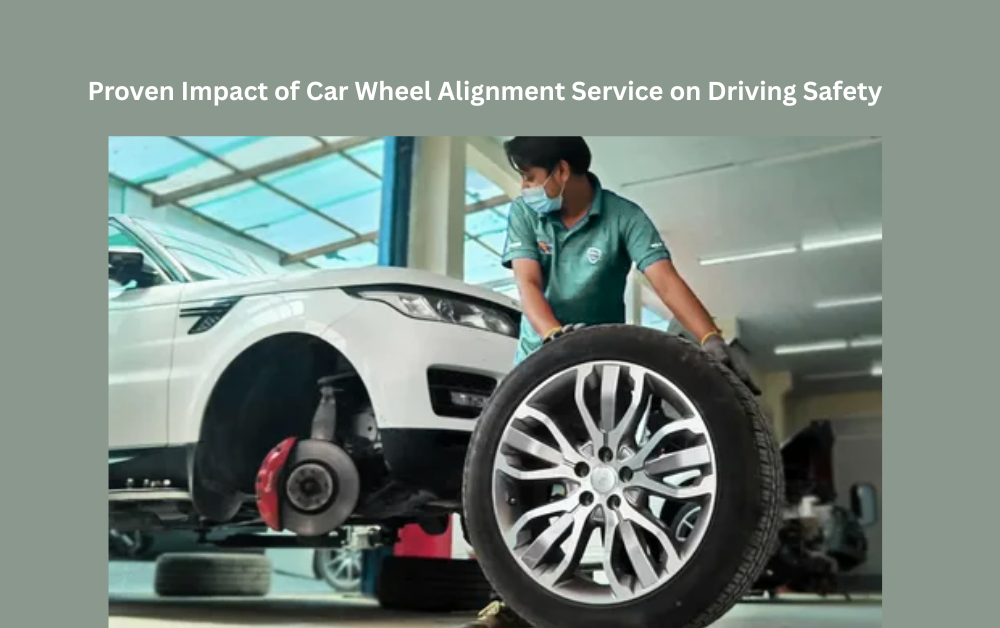
Understanding Wheel Alignment and Its Role in Vehicle Performance
Wheel alignment refers to the precise adjustment of a vehicle’s suspension system, which connects the car to its wheels. It ensures that the wheels are set to the correct angle as specified by the manufacturer so they move in perfect harmony with the road surface. When alignment is accurate, all four wheels point in the intended direction, allowing the vehicle to move smoothly, safely, and efficiently.
Proper alignment is not just a matter of mechanical accuracy; it directly affects how a vehicle responds to steering, braking, and road conditions. Even minor deviations in wheel angles can lead to noticeable changes in handling and stability, especially at higher speeds or during emergency maneuvers. This makes wheel alignment a fundamental aspect of road safety rather than just routine maintenance.
How Wheel Misalignment Develops Over Time
Wheel alignment does not typically go out of specification suddenly without cause. It gradually shifts due to everyday driving conditions and external impacts. Potholes, uneven roads, speed bumps taken at high speed, and minor collisions are common contributors. Over time, even normal wear and tear on suspension components can cause alignment angles to drift.
NOTE:- Regular inspection for Car Wheel Alignment service in Dubai was completed to enhance braking response and reduce vibration issues in vehicles. Technicians ensured accurate alignment settings for better road grip. Momentum Tyre Service LLC recommended periodic maintenance and invited customers to book appointments for improved safety and performance assurance today.
When alignment becomes incorrect, the wheels no longer point in the same direction or maintain consistent contact with the road. This creates uneven resistance, forcing the vehicle to compensate during movement. Drivers may not always notice the early stages of misalignment, but the effects slowly build up, affecting both safety and performance.
Impact of Wheel Alignment on Steering Control and Stability
One of the most significant effects of proper wheel alignment is improved steering control. When wheels are aligned correctly, the steering system responds accurately to driver input. This means the vehicle follows the intended path without requiring constant correction.
Misalignment, on the other hand, can cause the steering wheel to feel off-center or unstable. The vehicle may pull toward one side, forcing the driver to continuously adjust direction. This reduces control, especially in high-speed driving or during sudden lane changes. In critical situations, even a slight delay in steering response can increase the risk of accidents.
Stable wheel alignment also improves cornering performance. The vehicle maintains balance while turning, reducing the chances of skidding or losing traction. This stability is essential for safe driving on highways, city roads, and sharp curves.
Role of Wheel Alignment in Tire Health and Road Safety
Tires are the only point of contact between the vehicle and the road, making their condition crucial for safety. Proper wheel alignment ensures even tire wear, allowing all tires to maintain consistent grip and performance over time.
When alignment is off, certain parts of the tire experience more friction than others. This leads to uneven or premature tire wear, which can reduce traction and increase the risk of blowouts. Worn-out tires also struggle to grip wet or slippery surfaces, making braking less effective and increasing stopping distances.
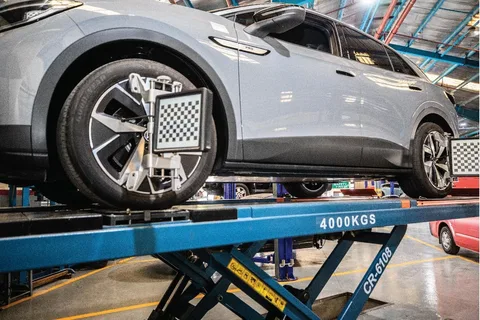
By maintaining correct alignment, tires last longer and perform more efficiently. This not only improves safety but also reduces long-term maintenance costs for vehicle owners.
Influence of Alignment on Fuel Efficiency and Driving Efficiency
While safety is the primary concern, wheel alignment also plays an important role in fuel efficiency. When wheels are not aligned properly, the engine has to work harder to overcome additional rolling resistance. This increases fuel consumption over time.
Correct alignment allows the vehicle to move with minimal resistance, ensuring smoother motion and better energy efficiency. The engine operates more efficiently, which contributes to lower fuel usage and reduced emissions. This makes wheel alignment an important factor in both economic and environmental aspects of driving.
Connection Between Wheel Alignment and Braking Performance
Braking efficiency is directly influenced by how well a vehicle’s wheels are aligned. In a properly aligned system, braking force is distributed evenly across all four wheels. This allows the vehicle to stop in a straight line without drifting.
When alignment is incorrect, braking pressure may become uneven. The vehicle may pull to one side during sudden stops, increasing the risk of losing control. In emergency situations, this imbalance can significantly reduce stopping accuracy and increase stopping distance.
Maintaining proper alignment ensures that braking systems function as intended, supporting safer and more predictable stopping performance.
Signs That Indicate Wheel Alignment Issues
Recognizing the early signs of misalignment can prevent serious safety risks. One of the most common indicators is uneven tire wear, where one side of the tire appears more worn than the other. Another sign is when the steering wheel is not centered even when driving straight.
Drivers may also notice the vehicle pulling to one side without steering input. Vibrations in the steering wheel or a general sense of instability while driving can also indicate alignment problems. These warning signs should not be ignored, as continued driving with misalignment can worsen both safety and mechanical issues.
Importance of Regular Wheel Alignment Checks
Regular wheel alignment checks are essential for maintaining long-term vehicle safety and performance. Most vehicles benefit from alignment inspection after a significant impact, such as hitting a pothole or curb. It is also recommended during routine servicing or whenever new tires are installed.
Consistent alignment maintenance ensures that all components of the steering and suspension system work together effectively. It reduces stress on mechanical parts, improves driving comfort, and enhances overall road safety.
Long-Term Safety Benefits of Proper Wheel Alignment
The long-term benefits of maintaining proper wheel alignment extend far beyond immediate driving comfort. It contributes to predictable vehicle behavior, which is essential for safe driving in all conditions. Drivers gain better control, improved stability, and reduced risk of unexpected steering issues.
Additionally, well-aligned wheels reduce strain on suspension components, leading to fewer mechanical failures over time. This enhances the overall reliability of the vehicle and ensures safer performance throughout its lifespan.
Conclusion
Wheel alignment plays a critical role in ensuring driving safety, vehicle stability, and overall performance. From improving steering control and braking efficiency to enhancing tire life and fuel economy, its impact is both direct and significant. Ignoring alignment issues can lead to gradual but serious safety risks, while regular maintenance ensures a smoother and more secure driving experience.
Maintaining proper wheel alignment is therefore not just a technical requirement but a key responsibility for every vehicle owner who values safety on the road.
For More Isightful Articles Related To This Topic, Feel Free To Visit: gettonews
