

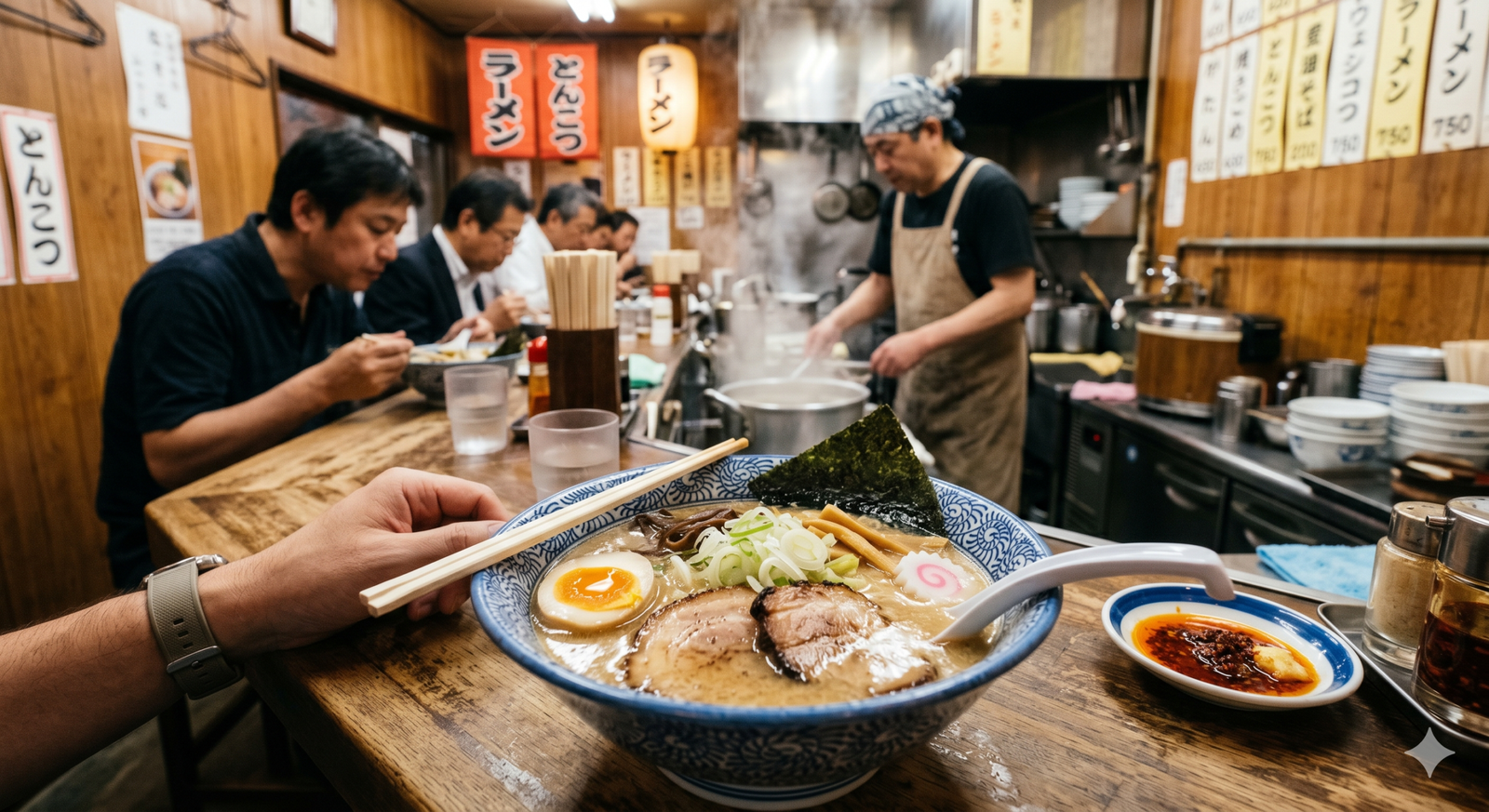
Ramen is more than food in Japan—it’s a cultural institution, a social experience, and an art form refined over decades. Walking down a Tokyo alley at night, you’ll encounter tiny ramen shops with plastic red lanterns glowing above their entrances, each one fiercely proud of its unique broth recipe developed over generations. In Japan, ramen shops range from three-seat counter establishments run by single masterful chefs to modern restaurants serving thousands daily. The passion locals bring to ramen—discussing broth depth, noodle texture, and regional variations with genuine intensity—reveals how deeply embedded ramen is in Japanese culture. For visitors, ramen represents an accessible entry point into Japanese cuisine. It’s affordable, available everywhere, deeply authentic, and unexpectedly complex once you begin exploring its nuances.
Understanding Ramen’s Origins and Cultural Significance
Ramen’s history is contentious among Japanese food historians—multiple regions claim to have invented ‘true’ ramen, and these arguments are pursued with genuine passion. The dish likely originated from Chinese noodle soups but was transformed through Japanese culinary philosophy into something distinctly Japanese. By the early 1900s, ramen was street food sold by vendors pushing wooden carts, affordable sustenance for working-class populations. Having reliable mobile connectivity allows you to research ramen regions, find neighborhood recommendations, and access Japan SIM card solutions, ensuring you can use translation apps at shops, research ramen variations before ordering, and discover hidden ramen alleys through local Japanese apps that tourists often miss.
The Anatomy of Perfect Ramen: Broth, Noodles, and Toppings
Ramen’s beauty lies in its deceptive simplicity: noodles, broth, and toppings. Yet each component requires mastery. Broth is the soul of ramen. Major types include tonkotsu (pork bone—creamy white, rich), shoyu (soy sauce—dark, complex, umami-forward), miso (fermented soybean—earthy, slightly sweet), and shio (salt—light, clean). Tonkotsu requires simmering pork bones for 12-24 hours until the broth becomes milky white and intensely flavorful. When visiting ramen shops, you’ll face menu choices that confuse first-time visitors. Most shops display plastic food models or photos, helping you choose. However, understanding what you’re ordering enhances the experience. Many visitors benefit from having a Japan travel eSIM so they can photograph menus before entering, use translation apps to understand options, and research the shop’s specialty beforehand—transforming ramen from an intimidating cultural experience into confident exploration.
Regional Ramen Styles: A Flavor Journey Across Japan
Japan’s ramen landscape is endlessly diverse. Hokkaido (northern island) hosts multiple regional styles: Sapporo miso ramen features thick, creamy miso broth with corn and butter; Asahikawa uses thin, intensely flavored shoyu broth with pork lard; Hakodate offers light shio broth with seafood. Tokyo’s ramen reflects the capital’s cosmopolitan nature pure shoyu broth with clean flavors, traditional simplicity emphasizing quality ingredients. When planning ramen-focused regional travels, having reliable mobile data transforms the experience. You can research which cities are famous for specific ramen types, find neighborhood recommendations from locals on Japanese review sites, access shop details and hours in real-time, and use translation to chat with shop owners about their specialty. Consider when you decide to buy Japan SIM card options before traveling—continuous connectivity enables discovering ramen shops through local Japanese apps like Tabelog (Japan’s food review platform), accessing real-time information about which shops are open during your visit, and planning ramen-focused regional itineraries based on accurate, current information.
Etiquette and Ritual: How to Eat Ramen Like a Local
Eating ramen has specific customs that might seem unusual to foreign visitors. Slurping is not just accepted—it’s encouraged. The sound signals appreciation and helps cool hot noodles. Slurping also aerates noodles, enhancing flavor perception. Japanese diners slurp enthusiastically, creating a symphony of sounds in busy ramen shops. There’s no need to feel self-conscious; locals expect it. Holding your bowl close to your mouth while eating is appropriate—it prevents broth splashing and helps you eat efficiently. Many diners pick up their bowl and drink the remaining broth directly at the end; this shows appreciation for the chef’s work. When you’ve finished, you can place your empty bowl and chopsticks on the counter or designated area; don’t leave excessive mess.
Finding Authentic Ramen Shops: The Local’s Advantage
The best ramen shops are often invisible to tourists—no English signs, no pictures of food displayed, no prominent location. These shops exist for locals and have devoted followings. Finding them requires different strategies than typical tourism guidebooks. Asking hotel staff or local shop owners where they personally eat ramen yields better recommendations than guidebooks. Walking through residential neighborhoods at meal times—lunch 11am-1pm, dinner 6pm-8pm—you’ll spot busy ramen shops where locals queue. These are usually excellent. Japanese review sites like Tabelog or Google Maps (Japanese reviews) offer more authentic recommendations than English-language travel sites. Some shops have cult followings; fans drive hours specifically for their ramen. The most famous Tokyo shops have two-hour waits even in the early morning. When you have a eSIM Japan travel with unlimited data, you can access Japanese-language review sites, zoom through Google Maps to spot ramen shops in any neighborhood, use translation to read reviews and understand shop details, and navigate to hidden shops using GPS—enabling the authentic local ramen experience rather than settling for tourist-oriented options.
Ramen Beyond Japan: Why It’s Different and What You’ll Miss
Ramen shops exist worldwide, but experiencing ramen in Japan is fundamentally different. Japanese ramen shops represent years of dedication to perfecting a single dish or small menu. Most Japanese ramen shops serve only ramen (plus gyoza or simple sides). This extreme focus creates depth impossible for restaurants serving diverse menus. Ingredients are sourced meticulously—premium pork for broth, specific noodle characteristics, carefully selected toppings. The economics of Japanese ramen shops depend on high volume and repeat customers; they perfect their craft through obsessive refinement. Outside Japan, ramen shops must serve broader menus for economic viability, diluting their focus and expertise.
Your Ramen Journey Begins
Ramen culture invites you to slow down, appreciate craftsmanship, and connect with Japan at its most authentic. From understanding the cultural reverence for this humble noodle dish to exploring regional variations to eating properly at a counter in a neighborhood shop, ramen offers entry into genuine Japanese experience. The passion Japanese people bring to ramen, the decades of training, the obsessive refinement of recipes, and the fierce regional pride is what makes Japan remarkable. By engaging thoughtfully with ramen culture, you participate in this tradition and gain a deeper understanding of Japanese values.
