

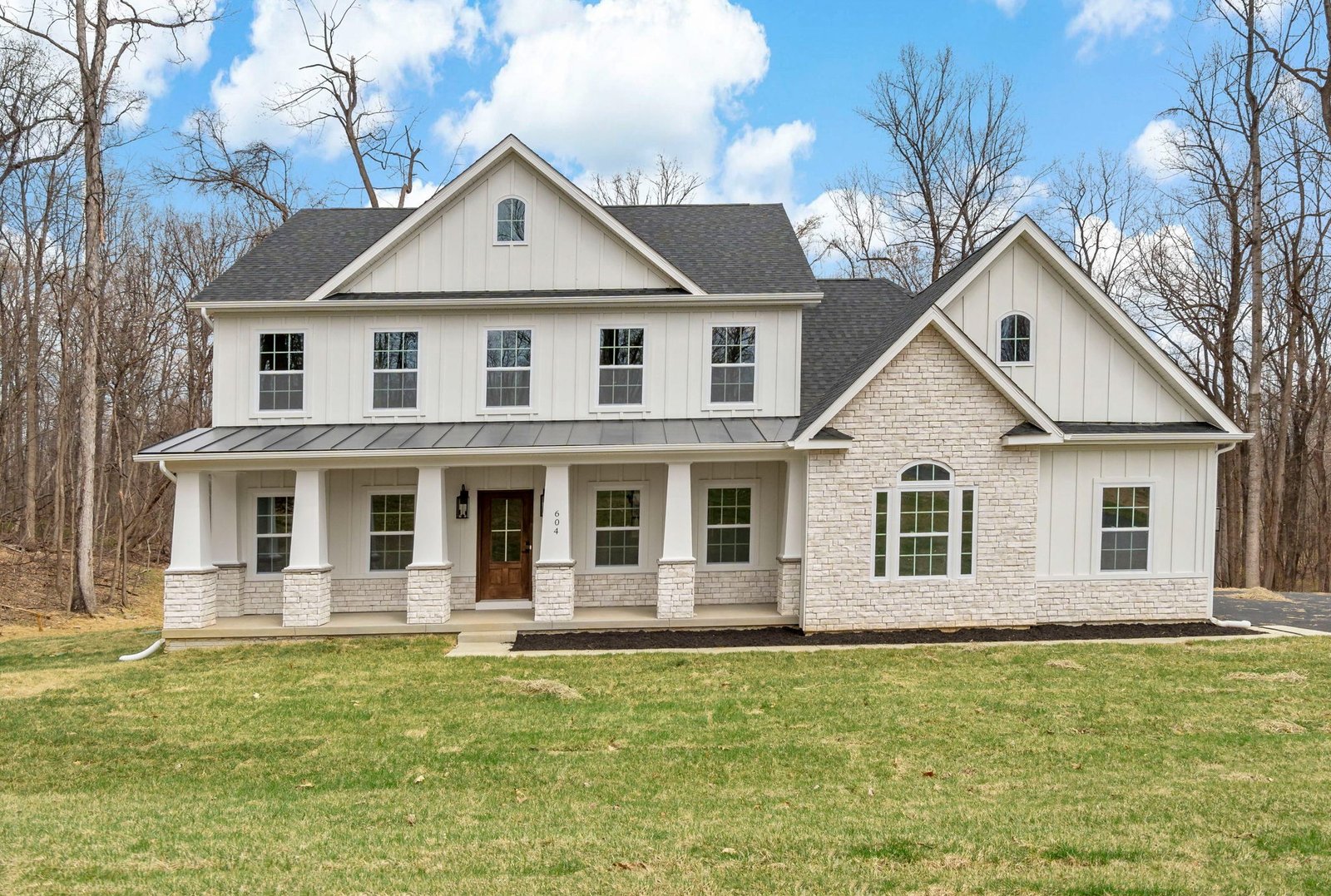
Some of the most expensive ventures that one can ever embark upon include constructing one’s own home. This involves designing a space that serves all his purposes and is sustainable over time, rather than just building something physically. When considering such an undertaking, a person often has to decide between a do-it-yourself option and hiring a home builder. Each has its pros and cons, and it is important to understand them.
Knowing Commercial Residential Construction
A residential home building business provides know-how, experience, and resources. From preliminary planning and design to construction and final inspection, these businesses manage every facet of the construction process. Working with architects, engineers, and expert tradespeople, they ensure the house is built in accordance with codes and standards.
There are many benefits in working with experts, such as their capability to handle complex tasks effectively. For them to handle such tasks effectively, they require certain skills and knowledge, which experts acquire gradually.
Local building laws and regulations are well known to construction firms as well. This guarantees that the house is less likely to have problems during inspections or resale, is legally compliant, and is secure.
The allure of constructing one’s own home
Particularly among people seeking total control over the design and construction process, DIY home building has become increasingly popular. For some, it’s a passion project—an opportunity to build a really unique and personal house.
Cost reductions are among the major factors motivating individuals to undertake DIY construction projects. Individuals can reduce costs by eliminating labor costs and controlling materials themselves.
Building something with your own hands also provides a type of satisfaction. DIY can be a satisfying endeavor for people who possess construction expertise or a desire to learn.
This strategy, though, brings major difficulties that should not be minimized.
Project Length and Time Commitment
When comparing the two methods, one factor to consider is time. Building firms can accomplish tasks quickly because they have specialized workforces and schedules.
DIY builds, by contrast, frequently take far longer. Progress can be sluggish without a full-time staff, especially if the homeowner is juggling construction with other obligations, such as family and employment. Whether caused by inexperience, unforeseen problems, or trouble getting supplies, delays are rather frequent.
DIY builders could take years to accomplish what a professional team might complete in several months.
Quality and Workmanship
One more big factor is quality. Skilled laborers working for residential construction businesses focus on many facets of construction. Their expertise guarantees great craftsmanship and meticulous attention to detail.
However, DIY contractors might lack experience in other areas. While some homeowners might have excellent carpentry or design skills, they may lack knowledge of plumbing, electricity, and structural engineering. Making mistakes in such sectors can cost homeowners a lot of money and cause other problems.
Better tools, materials, and industry contacts also enable professional builders to have a greater standard of building.
Cost Factors
Though DIY builds are sometimes thought of as more economical, the truth can be more complicated. Other expenditures can rapidly mount even if labor costs are reduced. Higher-than-anticipated overall costs might result from errors, rework, and inefficiency.
Homeowners may arrange financing with the help of thorough estimates and budgets provided by construction firms. They also have relationships with suppliers, often securing supplies at lower prices than independent consumers.
Furthermore, by doing things correctly the first time, professional builders can help prevent expensive mistakes. Though the initial cost is higher, this can provide long-term savings.
Risk and accountability
To reduce risks, professional construction companies carry insurance and adhere to demanding safety guidelines.
DIY builders accept total responsibility for any construction-related mishaps or damage. Both financially and legally, this can be quite burdensome. Moreover, some construction tasks may require qualified individuals, such as plumbing and electrical installations. Engaging in such tasks without proper licenses could result in legal problems and pose health risks.
DIY builders may have innovative ideas, but lack the tools or skills to realize them fully. Turning a concept into a functional, structurally sound design requires the technical knowledge that professionals bring to the table.
Stress and Project Management
Managing a construction project can be overwhelming. From scheduling subcontractors to handling permits and inspections, there are many moving parts involved.
All these duties will be handled by a residential home construction company, allowing homeowners to focus on decision-making rather than supervising the entire construction process, thereby reducing their stress levels immensely.
DIY home constructors, on the other hand, will take care of all these things, which could easily cause them stress, especially during unforeseen challenges.
Which Construction Style Should You Choose?
Whether you need the services of construction companies or prefer doing it yourself depends on your priorities in relation to your budget, skills, and time allocation.
If you are interested in saving your time and maximizing quality, you might find that engaging professionals is the way to go.
If you have the skills and time, you could consider a DIY construction approach.
If you want to handle some things yourself and leave others to experts, there is a middle ground.Constructing a house is indeed a major event in anyone’s life. The best choice would be to work with TrueNorth Custom Homes due to its extensive experience in this industry.
