

Living in an apartment has its perks, but shared walls often mean shared problems. One of the most frustrating issues a resident can face is a cockroach problem in flat complexes. Because apartments are interconnected through pipes, vents, and wall voids, these pests can travel easily from one unit to another. You might be the cleanest person on the floor, but a neighbor’s neglect can quickly become your headache.
Recognizing the early signs of cockroach infestation is the only way to stop a few stragglers from turning into a full-blown colony. If you wait until you see them scurrying across the floor in broad daylight, you’re already dealing with an “overflow” population. Here is what you need to look for to keep your living space safe and hygienic.
1. Unusual Night Sightings
Cockroaches are nocturnal creatures. They have evolved to fear the light because light usually means a human with a shoe is nearby. One of the most common signs of cockroach infestation is catching a glimpse of one when you flip on the kitchen light for a midnight glass of water.
If you start seeing them during the day, it’s a major red flag. Seeing a roach in the sunlight usually means their hiding spots are so overcrowded that the weaker ones are being pushed out into the open. In the context of apartment pest control, a daytime sighting usually signals that the infestation has moved beyond a few cracks and is now deep within the building’s structure.
2. Finding Cockroach Droppings
Since roaches eat almost anything—from leftover food to book binding glue—they leave behind plenty of evidence. Identifying cockroach droppings is often the first physical proof a homeowner finds. In smaller species, like the German cockroach, the droppings look like tiny specks of black pepper or coffee grounds. Larger roaches leave behind cylindrical droppings with blunt ends.
You will typically find cockroach droppings in areas where they congregate, such as:
- Behind the microwave or toaster.
- In the corners of pantry shelves.
- Along the top of baseboards.
Cleaning these up is important, but remember that the presence of waste means a food source is nearby. If you find these specks, it is time to ramp up your apartment pest control efforts before the population doubles.
3. The Musty, Unpleasant Smell
Many people don’t realize that you can actually smell a cockroach problem in flat environments before you see it. Roaches communicate using pheromones, and they leave behind a distinct, “oily” or musty odor. This scent is often described as pungent and damp.
As the infestation grows, the smell becomes more intense. It lingers in the air and can even affect the taste of food in your pantry. If you open a cabinet and are hit with a strange, sour earthy scent that doesn’t go away after cleaning, you are likely dealing with one of the most reliable signs of cockroach infestation.
4. Hidden Egg Cases (Oothecae)
Cockroaches don’t just lay single eggs; they produce “oothecae,” which are small, pill-shaped casings that hold multiple embryos. Finding these brown, leathery capsules is a clear sign that the roaches are breeding in your home.
Common spots for these include:
- The gaps in wooden furniture.
- Behind picture frames.
- Underneath the sink.
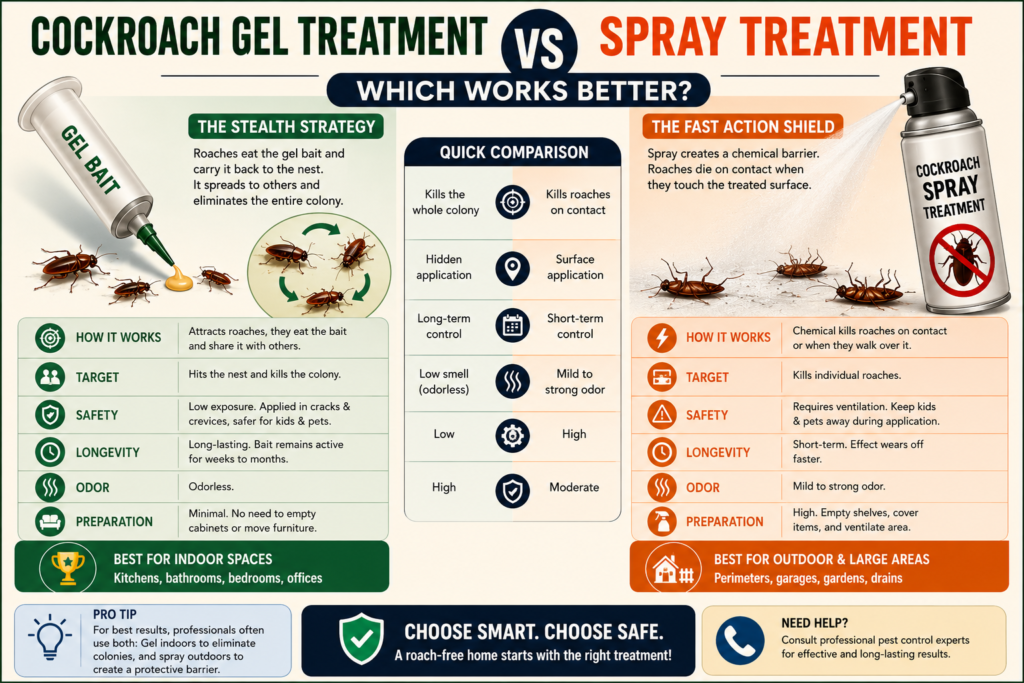
If you find an egg case, the cockroach problem in flat living is about to get much worse, as each case can hatch up to 40 new roaches. This is the stage where DIY sprays usually fail, and professional apartment pest control becomes a necessity to break the breeding cycle.
5. Smears and Marks
In humid areas like bathrooms or kitchens, roaches leave behind dark, irregular smear marks. These occur as they crawl along walls or horizontal surfaces. These smears are essentially liquefied cockroach droppings and are often found where the wall meets the ceiling or around plumbing entry points. If you see these streaks, it means the roaches are frequently using that specific path to travel between their nest and their food source.
6. Dealing with Kitchen Cabinet Infestation
The kitchen is the “Ground Zero” for most apartment pests. A kitchen cabinet infestation is particularly troublesome because it puts your food and dishes at direct risk. Roaches love the dark, secluded nature of cabinets, especially the “dead space” behind the drawers.
If you notice discarded skins (they shed their skin as they grow) or small brown stains in the corners of your cupboards, you have a kitchen cabinet infestation. At this point, it is vital to remove all items, wash the surfaces with disinfectant, and seal any cracks where the cabinet meets the wall.
Summary: Don’t Wait for the Crowd
Dealing with a cockroach problem in flat buildings requires a proactive approach. Because you share plumbing and electrical lines with your neighbors, a small issue can escalate rapidly. By keeping an eye out for cockroach droppings and staying alert to any strange odors or signs of cockroach infestation, you can take action while the problem is still manageable.
Whether it’s a deep clean of a kitchen cabinet infestation or calling for professional apartment pest control, early intervention is the key to a bug-free home. Don’t let these uninvited guests settle in—act the moment you see the first sign!
