

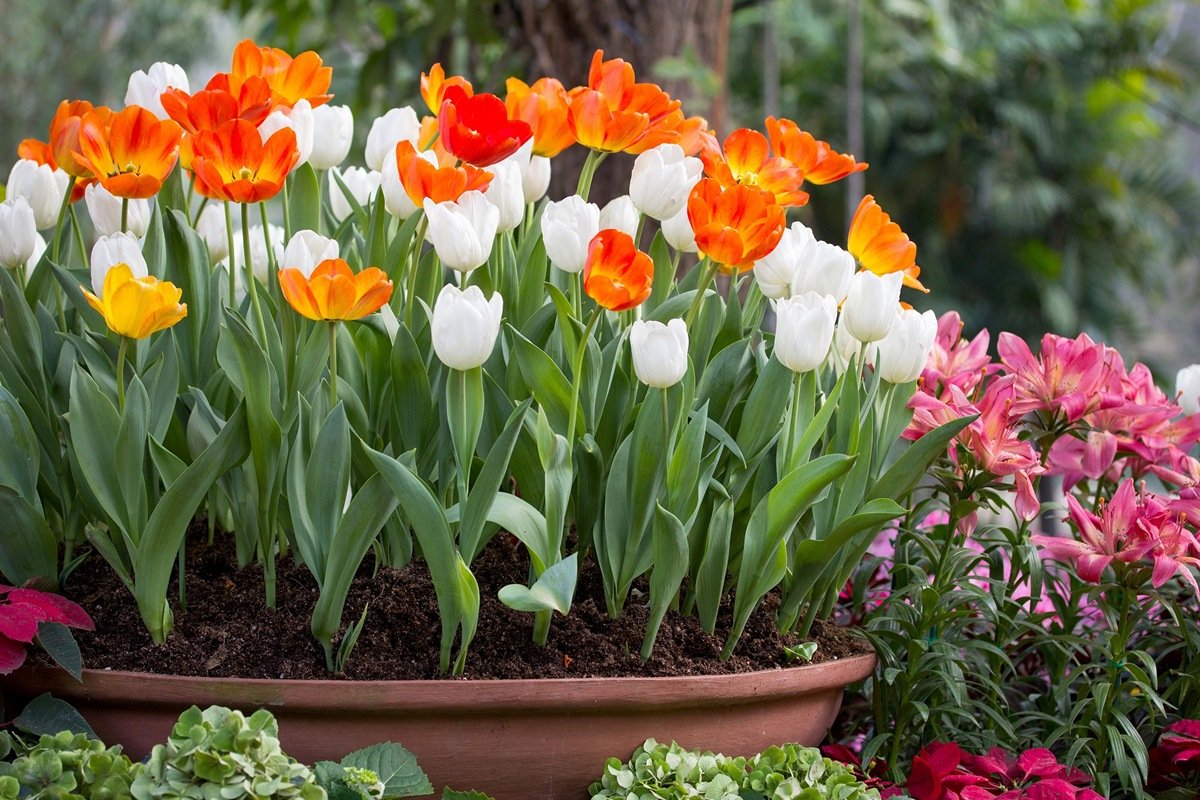
Spring is the ideal time to refresh your outdoor space and prepare your garden for a healthy and vibrant growing season. After months of winter dormancy, your landscape needs attention, planning, and care to thrive again. A structured consultation can help you make the right decisions about design, plant selection, and maintenance. Many homeowners turn to expert guidance like Garden Consultation St Louis to ensure their garden is set up for long-term success.
If you’re planning to upgrade your outdoor space this spring, this detailed checklist will guide you through every essential step.
Evaluate Your Current Garden
Start by assessing the condition of your existing garden.
Look for:
- Dead or damaged plants
- Overgrown shrubs and trees
- Soil condition and drainage issues
- Areas affected by winter damage
This evaluation helps you identify what needs improvement and what can be preserved.
Define Your Garden Goals
Before making changes, clarify what you want from your garden.
Ask yourself:
- Do you want a decorative, functional, or edible garden?
- Will the space be used for relaxation or entertaining?
- How much maintenance can you manage?
Clear goals ensure your garden design aligns with your lifestyle and expectations.
Analyze Sunlight and Space
Understanding how sunlight interacts with your garden is essential.
Observe:
- Which areas receive full sun, partial shade, or full shade
- Changes in sunlight throughout the day
- Available space for planting and features
This information helps you position plants and structures effectively.
Test and Improve Soil Quality
Healthy soil is the foundation of a thriving garden.
During your consultation:
- Test soil pH levels
- Add compost or organic matter
- Improve drainage if needed
Proper soil preparation ensures strong plant growth and better results.
Plan Your Garden Layout
A well-planned layout enhances both functionality and aesthetics.
Create Zones
Divide your garden into areas such as:
- Flower beds
- Vegetable or herb sections
- Seating or relaxation spaces
Ensure Accessibility
Design pathways for easy movement and maintenance.
A structured layout makes your garden more organized and user-friendly.
Choose the Right Plants
Selecting suitable plants is crucial for a successful garden.
Consider:
- Climate and soil compatibility
- Seasonal bloom cycles
- Maintenance requirements
- Native plants for sustainability
A balanced selection ensures long-lasting beauty and easier care.
Plan Irrigation and Water Management
Efficient watering is key to plant health.
Check:
- Existing irrigation systems
- Drainage to prevent waterlogging
- Options for drip irrigation or soaker hoses
Proper water management helps conserve resources and maintain plant health.
Manage Weeds and Pests
Spring is when weeds and pests begin to appear.
To stay ahead:
- Remove weeds early
- Apply mulch to prevent regrowth
- Inspect plants regularly for pests
- Use eco-friendly pest control methods
Early action prevents larger problems later.
Add Functional Features
A successful garden design includes more than just plants.
Consider adding:
- Seating areas for relaxation
- Outdoor lighting for evening use
- Raised beds for easier gardening
- Decorative elements like fountains or sculptures
These features improve usability and enjoyment.
Plan for Sustainability
Sustainable gardening practices benefit both your garden and the environment.
You can:
- Use native and drought-resistant plants
- Compost organic waste
- Collect rainwater for irrigation
These practices reduce maintenance and environmental impact.
Establish a Maintenance Plan
Consistency is key to maintaining your garden’s success.
Your routine should include:
- Regular watering and fertilizing
- Pruning and trimming
- Monitoring plant health
- Seasonal adjustments
A maintenance plan ensures your garden stays healthy throughout the year.
Avoid Common Mistakes
Be mindful of common gardening mistakes:
- Overcrowding plants
- Ignoring soil quality
- Poor drainage planning
- Choosing high-maintenance plants without proper planning
Avoiding these issues helps you achieve better results.
Benefits of a Spring Garden Consultation
A professional consultation can significantly improve your garden’s outcome.
Benefits include:
- Expert advice tailored to your space
- Customized design and planting plans
- Efficient use of time and resources
- Long-term maintenance strategies
Professional guidance helps you avoid costly mistakes and achieve a polished look.
Plan for Future Growth
A successful garden is one that evolves over time.
Think about:
- How plants will grow and spread
- Seasonal changes in your landscape
- Opportunities for future upgrades
Planning ahead ensures your garden remains functional and attractive.
Conclusion
Spring is the perfect time to prepare your garden for a season of growth and beauty. By following a comprehensive checklist—from evaluating your current space and improving soil quality to selecting the right plants and planning maintenance—you can create a garden that is both functional and visually appealing. Each step plays a vital role in ensuring long-term success. For homeowners looking for expert support and a structured approach, Garden Consultation St Louis can provide valuable insights and customized solutions. With proper planning and consistent care, your garden can become a thriving outdoor space that you enjoy all year round.
