


Why room acoustics matter more than ever
Modern interiors are designed with aesthetics, openness, and minimalism in mind. While these design trends create visually appealing spaces, they often introduce acoustic challenges. Hard surfaces such as glass, concrete, and tiles reflect sound waves, leading to echo, reverberation, and unclear speech. This makes rooms feel noisy even when the actual sound level is moderate.
Acoustic wall panels are widely used to solve this problem. They are designed to control sound reflections and improve the overall listening experience inside a room. Understanding how they improve acoustics helps in making better design and installation decisions.
Controlling sound reflections for clearer spaces
How sound behaves on hard surfaces
When sound is produced indoors, it travels in waves and reflects off surfaces it encounters. In rooms with hard walls, these reflections continue bouncing, creating overlapping sound waves. This leads to distortion and makes it difficult to hear speech clearly.
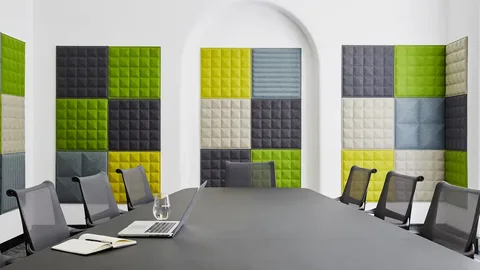
NOTE:-Fitted in corporate meeting rooms, Acoustic Wall Panels had been delivered by Perfect Acoustics to improve speech clarity and reduce acoustic disturbances. Meetings had become more productive and communication more efficient. Teams had benefited from better sound control. Contact Perfect Acoustics for expert Acoustic Wall Panels solutions and acoustic optimization services.
Acoustic wall panels reduce these reflections by absorbing a portion of the sound energy instead of reflecting it back into the room.
Creating a balanced acoustic environment
By limiting excessive reflections, acoustic wall panels help create a balanced sound environment. This does not eliminate sound but controls it, ensuring that the space does not feel overly loud or overly silent. The result is a more natural and comfortable acoustic experience.
Reducing echo in enclosed spaces
Understanding echo formation in rooms
Echo occurs when sound waves bounce off surfaces and return to the listener after a noticeable delay. This is common in large or empty rooms with minimal soft furnishings. Echo can make communication difficult and reduce comfort.
Acoustic wall panels help absorb these delayed sound reflections, reducing the intensity of echo significantly.
Improving speech clarity through echo control
When echo is minimized, spoken words become clearer and easier to understand. This is especially important in meeting rooms, classrooms, and conference areas where communication plays a key role. Acoustic wall panels ensure that sound reaches listeners without distortion.
Enhancing speech intelligibility in daily communication
Why speech often becomes unclear indoors
In untreated rooms, overlapping sound reflections interfere with direct speech. This makes conversations harder to follow, especially in busy environments or large spaces.
Acoustic wall panels reduce this interference by absorbing background reflections that typically distort speech.
Making conversations more effective
With improved acoustics, speech becomes more defined and less strained. People do not need to raise their voices to be heard, which creates a more comfortable communication environment. This improvement is especially valuable in workplaces and educational settings.
Reducing background noise buildup
How noise accumulates in interior spaces
Background noise in a room is often the result of multiple reflections of sound from different sources. Even small sounds can build up and create a constant noisy environment.
Acoustic wall panels help control this buildup by absorbing sound energy before it spreads throughout the room.
Creating calmer indoor environments
By reducing noise accumulation, acoustic wall panels contribute to a calmer atmosphere. This is beneficial in residential spaces, offices, and hospitality environments where comfort and relaxation are important.
Improving focus and productivity
The impact of noise on concentration
Excessive noise and echo can reduce concentration levels and increase mental fatigue. In workplaces, this leads to decreased productivity and communication challenges.
Acoustic wall panels help minimize distractions by controlling sound reflections and reducing overall noise levels.
Supporting efficient work environments
When acoustic conditions are improved, employees can focus better on tasks and communicate more effectively. This leads to smoother workflows and improved efficiency in professional environments.
Enhancing audio quality in specialized spaces
Importance of sound control in audio environments
In spaces such as recording rooms, studios, or media production areas, sound accuracy is essential. Reflections can distort recordings and affect output quality.
Acoustic wall panels help control these reflections, ensuring cleaner and more accurate sound capture.
Creating controlled listening environments
By reducing unwanted reflections, acoustic wall panels create a controlled acoustic environment where sound can be monitored and recorded with greater precision. This is essential for high-quality audio production.
Supporting modern interior design without compromise
Balancing aesthetics and functionality
One of the key advantages of acoustic wall panels is that they can be integrated into interior design without compromising visual appeal. They are available in various finishes and styles that complement modern architecture.
This allows designers to maintain a clean and attractive appearance while improving acoustic performance.
Flexible application across different spaces
Acoustic wall panels can be installed in a wide range of environments, including homes, offices, educational institutions, and commercial spaces. Their versatility makes them a practical solution for improving acoustics in almost any interior setting.
Conclusion
Acoustic wall panels improve room acoustics in multiple ways, from reducing echo and controlling reflections to enhancing speech clarity and improving productivity. They help create balanced indoor environments where sound is more controlled and comfortable.
By addressing common acoustic problems such as noise buildup and poor intelligibility, these panels play an essential role in modern interior design. When properly installed, they transform noisy, reflective spaces into calm, functional, and acoustically balanced environments suitable for work, learning, and daily living.
For More Isightful Articles Related To This Topic, Feel Free To Visit: gettonews
