

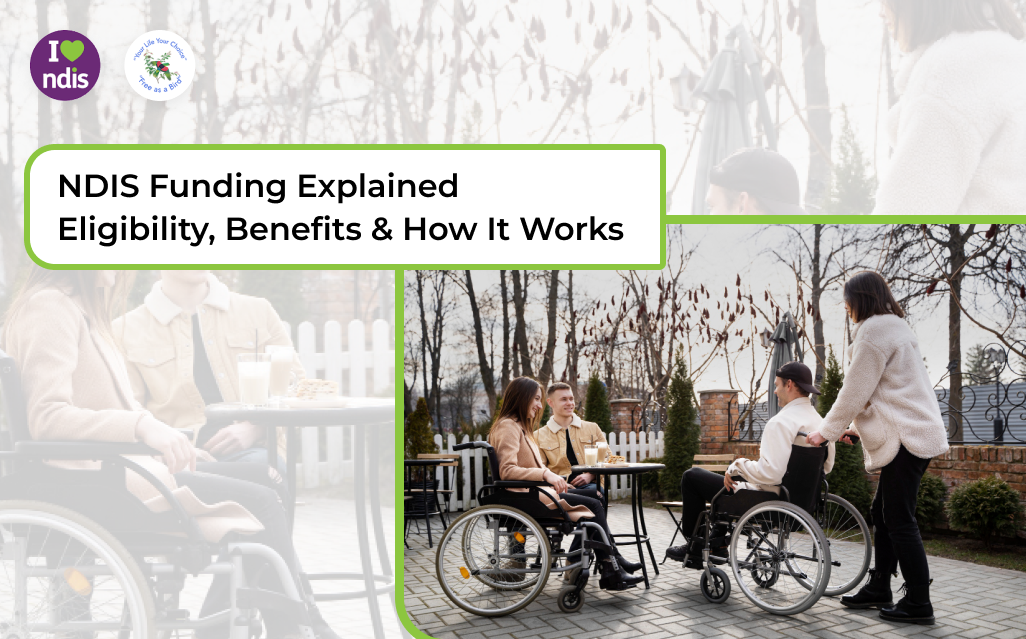
Living with a disability can create ongoing challenges that affect daily routines, independence, mobility, communication, and social participation. For many individuals and families across Australia, accessing long-term support services is essential for improving quality of life and maintaining greater independence over time. Understanding how disability support systems work can help participants make informed decisions while planning for future care and personal development.
Many participants require continuous assistance with therapy, personal care, household management, mobility, and community participation. Having access to structured support services allows individuals to build practical life skills while reducing the pressure placed on families and caregivers. Long-term support planning is especially important because participant needs may evolve over time depending on health, mobility, and personal goals.
The National Disability Insurance Scheme was designed to provide flexible and personalised support according to each participant’s individual circumstances. Rather than offering the same services to everyone, support plans are tailored to improve daily living, independence, and long-term well-being.
Understanding how NDIS Funding supports participants seeking long-term care can help individuals access appropriate services while preparing for a safer and more independent future.
Understanding the Importance of Long-Term Disability Support
Long-term support services help participants manage ongoing challenges while improving stability, independence, and emotional well-being. These supports are designed to assist individuals in maintaining everyday routines and achieving personal goals over time.
Long-term assistance may support:
- Daily living activities
- Mobility and transportation
- Communication and therapy needs
- Community participation
- Independent living goals
Structured support helps participants maintain consistency while adapting to changing circumstances and future needs.
Why Consistent Support Improves Daily Life
Reliable support services provide stability and help participants manage routines more confidently.
Consistent assistance may improve:
- Personal independence
- Emotional well-being
- Safety during daily activities
- Communication and mobility skills
Ongoing support also helps reduce stress for families and caregivers.
Building Confidence Through Structured Assistance
Support services encourage participants to develop practical life skills that improve independence over time.
Areas commonly supported include:
- Personal care and hygiene
- Household organisation
- Communication and social interaction
- Time management and routine planning
These improvements help participants become more confident in everyday situations.
Benefits of Early Long-Term Planning
Planning for long-term support early helps participants prepare for future changes and evolving needs.
Benefits may include:
- Better goal setting
- Improved service coordination
- Greater financial and emotional stability
- Easier transitions into independent living arrangements
Early planning creates stronger opportunities for long-term success and well-being.
Daily Living Supports That Promote Independence
Many participants require assistance with routine tasks because of physical, sensory, intellectual, or psychosocial challenges. Daily living services help individuals maintain comfort, dignity, and safety within their home environments.
Support services may assist with:
- Personal hygiene and grooming
- Meal preparation and nutrition
- Household cleaning and laundry
- Medication reminders
- Mobility and transportation support
These services improve everyday functioning while encouraging independence.
Personal Care Assistance for Everyday Comfort
Personal care services help participants manage essential routines safely and confidently.
Support workers may assist with:
- Bathing and dressing
- Grooming and hygiene support
- Mobility and transfer assistance
- Daily routine management
These services are tailored according to the participant’s preferences and support requirements.
Household Assistance for Safer Living Environments
Maintaining a safe and organised living environment is important for long-term health and comfort.
Household support may include:
- Cleaning and laundry assistance
- Grocery shopping support
- Meal planning and preparation
- Organising accessible living spaces
A supportive home environment improves independence and reduces everyday risks.
Therapy Services That Support Long-Term Development
Therapy services are an important part of long-term support because they help participants improve mobility, communication, emotional regulation, and practical life skills.
Participants may access:
- Physiotherapy
- Occupational therapy
- Speech therapy
- Behaviour support services
Regular therapy can help participants maintain or improve daily functioning over time.
Physical Rehabilitation and Mobility Improvement
Physiotherapy supports participants in improving physical strength, coordination, and movement abilities.
Benefits may include:
- Improved balance and posture
- Better flexibility and mobility
- Increased confidence during movement
- Reduced physical discomfort
Improved mobility often makes daily routines easier and safer.
Communication and Behaviour Support Programs
Communication and behaviour support services help participants improve social interaction and emotional regulation skills.
Programs may focus on:
- Verbal communication development
- Emotional coping strategies
- Behaviour management techniques
- Social confidence and relationship building
These supports help participants engage more comfortably in everyday activities.
Accommodation and Supported Living Options
Some participants may require specialised living arrangements because of high support needs or accessibility challenges. Accommodation services help individuals live more safely while maintaining greater independence.
Support options may include:
- Accessible housing arrangements
- Supported independent living services
- Shared accommodation environments
- Mobility-friendly home modifications
These services help participants maintain comfort and safety within their living spaces.
Accessible Housing for Improved Safety and Mobility
Accessible housing solutions are designed to reduce physical barriers and improve everyday movement.
Features may include:
- Wheelchair-friendly layouts
- Accessible bathrooms and kitchens
- Wider doorways and hallways
- Safety modifications and assistive technology
These environments improve independence and overall quality of life.
Supported Independent Living Arrangements
Supported living services provide assistance for participants who require ongoing help with daily routines while maintaining personal independence.
Support workers may assist with:
- Household management
- Personal care routines
- Medication reminders
- Community participation activities
These arrangements help participants develop confidence and independent living skills gradually over time.
Community Participation and Social Inclusion Support
Social participation is important for emotional well-being, confidence, and relationship development. Support services encourage participants to engage more actively within their communities.
Community support programs may include:
- Recreational activities
- Group workshops and events
- Transportation assistance
- Skill-building social programs
These opportunities help reduce isolation while improving communication and confidence.
Recreational Activities That Encourage Engagement
Participating in recreational programs helps participants build social confidence and maintain active lifestyles.
Activities may involve:
- Sports and fitness programs
- Community outings
- Art and creative workshops
- Group social events
Regular participation improves emotional well-being and social interaction skills.
Transportation Assistance for Community Access
Transportation support helps participants attend appointments, social programs, educational activities, and community events more independently.
Support may assist with:
- Medical appointments
- Therapy sessions
- Employment or education access
- Recreational participation
Accessible transportation improves independence and community involvement.
Importance of Family and Caregiver Support
Families and caregivers often provide emotional encouragement and practical assistance throughout the long-term support journey.
They may help with:
- Coordinating appointments and therapies
- Managing routines and schedules
- Providing emotional support
- Assisting with communication and decision-making
Strong support systems improve confidence and long-term stability for participants.
Reducing Stress Through Professional Support Services
Professional support services can reduce physical and emotional pressure on families managing long-term care responsibilities.
Benefits for caregivers may include:
- Better work-life balance
- Reduced caregiver burnout
- Improved emotional well-being
- Increased confidence in participant care
Reliable support creates healthier and more sustainable caregiving environments.
Planning for Future Independence and Stability
Long-term planning helps participants prepare for greater independence and future opportunities.
Planning may focus on:
- Independent living preparation
- Education and employment pathways
- Social participation goals
- Personal development and communication skills
Structured planning creates stronger opportunities for growth and long-term success.
Conclusion
Long-term disability support services play an important role in improving independence, daily living, emotional well-being, and community participation for individuals living with disabilities. Personalised assistance helps participants manage ongoing challenges while building practical skills and stronger support networks.
By understanding how NDIS Funding supports participants seeking long-term care and assistance, individuals and families can access suitable services, improve future planning, and create greater opportunities for independence, stability, and personal growth.
