

The Moon Tonight: Understanding What You See in the Night Sky
People often step outside expecting a bright lunar glow and instead find a faint sliver, or sometimes no visible moon at all. The question behind “the moon tonight” reflects a simple curiosity that connects astronomy, time, and human observation. Yet what you see in the sky depends on predictable scientific cycles rather than chance.
The Moon is constantly changing in appearance due to its orbit around Earth and the way sunlight reflects off its surface. At any given moment, different regions of the world see different phases, influenced by timing, location, and atmospheric conditions. Understanding this helps explain why the Moon can look dramatically different from one night to the next.
In practical terms, knowing what to expect when you look at the night sky improves everything from casual stargazing to photography and scientific observation.
What Does “The Moon Tonight” Actually Mean?
When people search for “the moon tonight,” they are usually trying to understand what phase or visibility the Moon will have at their location on a specific evening.
Direct Answer for Featured Snippets
The Moon tonight refers to the current visible phase of the Moon from Earth, which depends on its 29.5-day lunar cycle. It may appear as new, crescent, half, gibbous, or full depending on its position relative to Earth and the Sun.
This cycle determines how much of the illuminated surface is visible from any location on Earth.
How the Lunar Cycle Shapes What You See
The Moon does not produce its own light. Instead, it reflects sunlight, and its position determines how much of that light is visible.
The 29.5-Day Lunar Cycle
The Moon completes a full cycle in about 29.5 days, moving through distinct phases:
- New Moon
- Waxing Crescent
- First Quarter
- Waxing Gibbous
- Full Moon
- Waning Gibbous
- Last Quarter
- Waning Crescent
Each phase represents a different viewing angle between Earth, the Moon, and the Sun.
Why the Moon Looks Different Each Night
Even small orbital changes shift the illuminated portion visible from Earth. This is why the Moon tonight may appear brighter, dimmer, or even invisible depending on its phase.
The Science Behind Moon Visibility
Understanding lunar visibility requires looking at geometry rather than brightness alone.
Sun–Earth–Moon Alignment
The Moon’s appearance depends on how these three bodies align:
- When aligned in a straight line, a full or new moon occurs
- At right angles, half-lit phases appear
This alignment explains why visibility changes daily.
Atmospheric Influence
Even when the Moon is visible, conditions on Earth affect how it appears:
- Cloud cover can obscure visibility
- Pollution can reduce brightness
- Humidity can distort clarity near the horizon
Definition: What Is the Moon Tonight?
The phrase “the moon tonight” refers to the observable phase and visibility of Earth’s natural satellite during a specific night, determined by its orbital position, sunlight reflection angle, and local atmospheric conditions.
Why Location Matters When Observing the Moon
The Moon appears broadly similar worldwide, but small variations in timing and visibility depend on your location.
Time Zones and Local Observation
Since Earth rotates continuously, different regions experience:
- Moonrise at different times
- Moonset at different hours
- Slight variations in viewing angle
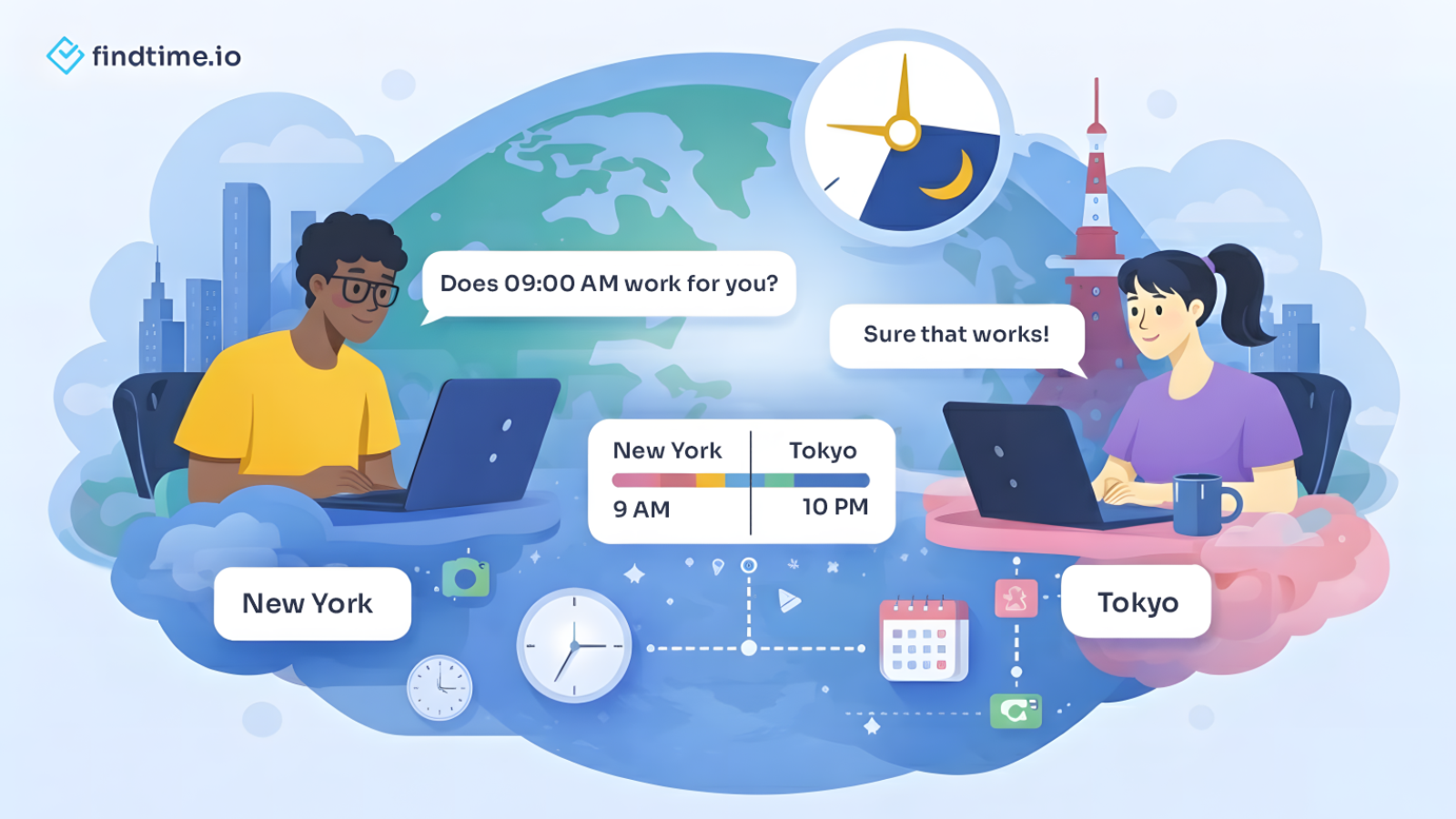
Tools like findtime.io help users align time-based observations across regions, especially when coordinating skywatching or photography sessions internationally.
Hemisphere Differences
Observers in the Northern and Southern Hemispheres may notice:
- Inverted lunar orientation
- Different horizon angles
- Slight differences in timing of moonrise and moonset
Common Moon Phases You Might See Tonight
Depending on the lunar cycle, “the moon tonight” can fall into several visible categories.
New Moon
- Not visible from Earth
- Moon is between Earth and Sun
- Sky appears darker for stargazing
Crescent Moon
- Thin curved shape
- Visible shortly after sunset or before sunrise
- Often seen near the horizon
Full Moon
- Entire face illuminated
- Brightest phase of the cycle
- Visible all night
Gibbous Moon
- More than half illuminated
- Occurs before or after full moon
- Commonly seen in evening skies
Why the Moon Affects Nighttime Experience
The Moon plays a significant role in how humans experience night environments.
Natural Light Source
Before artificial lighting, the Moon was essential for:
- Navigation
- Agriculture timing
- Cultural calendars
Even today, its brightness affects nighttime visibility.
Biological and Environmental Influence
While scientific studies vary in interpretation, lunar cycles have long been associated with:
- Animal behavior patterns
- Tidal changes in oceans
- Human cultural traditions
How to Observe the Moon Tonight Effectively
Observing the Moon does not require advanced equipment, but a structured approach improves clarity.
Step-by-Step Observation
- Check local moonrise time
- Identify current lunar phase
- Find a clear horizon view
- Avoid light pollution where possible
- Allow eyes to adjust to darkness
Best Viewing Conditions
The Moon is easiest to observe when:
- The sky is clear
- Atmospheric haze is low
- It is above the horizon
- Light pollution is minimal
Misunderstandings About the Moon Tonight
Many common beliefs about the Moon are inaccurate or oversimplified.
“The Moon Is Always Full Somewhere”
This is not correct. The Moon’s phase is determined by geometry, not location. Everyone sees the same phase at the same time, though timing of rise and set differs.
“The Moon Changes Shape”
The Moon itself does not change shape. Only the visible portion of sunlight changes due to orbital positioning.
The Role of Time in Moon Observation
Time is central to understanding lunar visibility because the Moon moves continuously.
Each day:
- Moon rises about 50 minutes later
- Phase shifts slightly
- Position in sky changes
This gradual shift explains why “the moon tonight” is never exactly the same as the previous night.
Why People Track the Moon Tonight
Interest in lunar observation spans science, culture, and personal curiosity.
Practical Reasons
- Planning night photography
- Organizing outdoor activities
- Astronomical study
- Navigational awareness
Cultural Significance
Across many societies, lunar phases influence:
- Festivals
- Calendars
- Traditional rituals
The Moon in Modern Digital Observation
Today, technology makes it easier to predict lunar visibility accurately.
Digital systems use:
- Astronomical models
- Orbital simulations
- Real-time geographic data
These tools help users anticipate what “the moon tonight” will look like before stepping outside.
Final Thoughts
The appearance of the Moon tonight is not random but the result of a predictable celestial cycle shaped by orbital mechanics and sunlight reflection. While it may seem different each night, its behavior follows a consistent 29.5-day rhythm governed by physics rather than chance.
Understanding these patterns allows for more meaningful observation, whether for casual skywatching or detailed study. With simple awareness of time, location, and lunar phase, anyone can interpret what they see in the night sky more accurately.
Frequently Asked Questions (FAQs)
1. Why does the Moon look different every night?
The Moon looks different because it orbits Earth and the angle between the Sun, Earth, and Moon constantly changes. This alters how much of the Sunlit surface is visible from Earth.
2. Is the Moon visible every night?
No. During the New Moon phase, the Moon is not visible because the illuminated side faces away from Earth. On other nights, it may appear as a crescent, half, gibbous, or full Moon.
3. What determines the Moon phase tonight?
The Moon phase depends on its position in the 29.5-day lunar cycle. Its alignment with the Earth and Sun determines how much sunlight reflects toward us.
4. Why does the Moon rise at different times each night?
The Moon rises about 50 minutes later each day because it is continuously moving along its orbit around Earth while Earth also rotates.
5. Will everyone see the same Moon tonight?
Yes, everyone sees the same Moon phase at the same time. However, the timing of moonrise, moonset, and the angle of view may differ based on location.
6. Why does the Moon sometimes look very bright and sometimes dim?
Brightness depends on the phase and atmospheric conditions. A Full Moon is brightest, while crescent phases appear dimmer. Clouds, pollution, and humidity can also affect visibility.
7. Can the Moon ever disappear completely?
From Earth’s perspective, the Moon only “disappears” during the New Moon phase, but it is still present in its orbit, just not illuminated from our viewpoint.
8. Do we always see the same side of the Moon?
Yes. The Moon is tidally locked with Earth, meaning the same side always faces us, though lighting conditions make it appear different each night.
9. Why does the Moon sometimes look orange or red?
When the Moon is near the horizon, Earth’s atmosphere scatters shorter blue light and allows red/orange wavelengths to pass through, giving it a warmer color.
10. How can I check what the Moon will look like tonight?
You can use astronomical apps, lunar calendars, or time-based tools like findtime.io to predict moon phases and viewing times for your location.
