

The Global Shift Toward Clean-Label Food Formulations
The global food industry is undergoing a major transformation driven by consumer demand for transparency, simplicity, and natural ingredients. Modern consumers are no longer satisfied with long ingredient lists filled with artificial additives, flavor enhancers, and synthetic compounds. Instead, they actively seek products that feel natural, recognizable, and closer to real food.
This shift has given rise to the clean-label movement, now one of the most influential trends in food manufacturing. Within this movement, seasoning systems play a critical role because they directly shape taste perception. Food brands are rethinking how flavor is built—moving away from artificial enhancers and toward naturally derived flavor systems.
One of the most successful examples of this transition is the best lime tomato seasoning, a clean-label flavor profile that combines citrus brightness with natural umami depth. It is increasingly used by food brands as a replacement for artificial flavor enhancers while still delivering strong and consistent taste performance.
As clean-label expectations continue to rise globally, Lime Tomato Seasoning is becoming a key solution for manufacturers aiming to balance taste, transparency, and consumer trust.
Understanding the Flavor Identity of Lime Tomato Seasoning
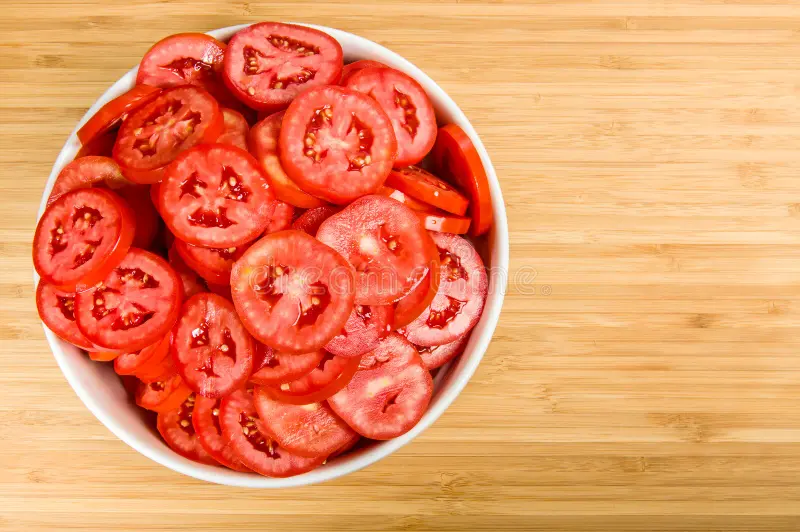
At its core, Lime Tomato Seasoning is built on a simple but powerful combination of natural acidity and umami richness. Lime provides sharp citrus freshness that brightens the palate. Tomato contributes naturally occurring glutamates, responsible for umami taste perception and savory depth.
When combined, these elements create a balanced flavor system that feels both refreshing and satisfying. Lime’s acidity cuts through richness, while tomato adds body and fullness to the overall taste experience. This makes Lime Tomato Seasoning effective across a wide range of food applications.
Unlike artificial flavor enhancers that often deliver a one-dimensional taste boost, Lime Tomato Seasoning builds complexity naturally without synthetic aftertastes.
Why Clean-Label Trends Are Reshaping the Seasoning Industry
The clean-label movement is not just a marketing trend; it represents a fundamental shift in how consumers evaluate food products. Today’s buyers are more informed, health-conscious, and interested in ingredient transparency.
Artificial flavor enhancers, once widely used in processed foods, are being replaced with ingredient-based flavor systems that deliver similar or better performance without synthetic additives. Lime Tomato Seasoning plays a key role in this transition.
Food brands are using it to simplify ingredient lists while maintaining a strong flavor impact. Instead of relying on artificial enhancers, they are building taste from naturally derived components.
This approach improves consumer perception and aligns with regulatory shifts toward cleaner labeling practices. As a result, Lime Tomato Seasoning is becoming a preferred solution in modern product development.
The Science Behind Flavor Enhancement in Lime Tomato Seasoning
The effectiveness of Lime Tomato Seasoning comes from its ability to naturally enhance taste perception through biological flavor mechanisms.
Tomato contains naturally occurring glutamic acid, responsible for umami sensation and savory depth. Lime contains citric acid, which stimulates salivation and increases flavor intensity.
Together, these elements create a “natural flavor amplifier system.” Instead of adding external enhancers, the seasoning uses intrinsic food compounds to elevate taste.
This scientific synergy allows Lime Tomato Seasoning to deliver balanced flavor enhancement without artificial additives.
Replacing Artificial Flavor Enhancers With Natural Systems
For decades, artificial flavor enhancers were widely used to improve taste intensity and consistency. However, growing consumer awareness has increased demand for cleaner ingredient solutions.
Food manufacturers are now under pressure to reduce or eliminate synthetic additives while maintaining flavor performance. Lime Tomato Seasoning provides a practical alternative.
By combining natural acidity and umami synergy, it replicates flavor-boosting effects without synthetic compounds. This allows brands to maintain product quality while improving label transparency.
It is now commonly used in snacks, sauces, and ready meals as a direct replacement for artificial flavor systems.
The Role of Functional Ingredients Like Garlic Oleoresin
Modern seasoning systems often include functional ingredients that enhance depth, stability, and aroma. One example is Garlic Oleoresin, a concentrated garlic extract used in industrial food applications.
When integrated into Lime Tomato Seasoning, Garlic Oleoresin adds savory richness and aromatic depth. It enhances umami complexity while complementing lime’s brightness and tomato’s natural sweetness.
It also improves flavor stability under processing conditions such as heat, drying, and long-term storage, making it ideal for packaged foods.
Why Food Brands Are Choosing Lime Tomato Seasoning
Food manufacturers are increasingly adopting Lime Tomato Seasoning because it offers multiple advantages:
- Aligns with clean-label requirements
- Delivers consistent flavor across applications
- Uses familiar, recognizable ingredients
- Offers high versatility for global taste preferences
It can also be adjusted for regional profiles by modifying acidity, tomato intensity, or supporting ingredients.
Why BioMasdar Supports Clean-Label Flavor Innovation
As demand for clean-label ingredients grows, manufacturers rely on trusted suppliers for consistency and quality. BioMasdar plays an important role by supplying botanical extracts and functional ingredients used in modern seasoning systems.
For formulations involving Lime Tomato Seasoning and Garlic Oleoresin, ingredient stability and quality are essential for industrial-scale performance. BioMasdar supports these requirements through standardized ingredient solutions for global food manufacturing.
The Future of Clean-Label Seasoning Systems
The future of flavor development is moving toward transparency, simplicity, and natural functionality. Consumers will continue demanding clean ingredient lists while expecting bold and satisfying taste experiences.
Lime Tomato Seasoning represents this direction by demonstrating how natural ingredients can replace artificial enhancers without compromising flavor quality.
As ingredient technology evolves, functional components like Garlic Oleoresin will further enhance stability and depth, expanding the role of clean-label systems across more food categories.
Conclusion
The rise of Lime Tomato Seasoning reflects a major shift toward clean-label, ingredient-driven flavor systems. By combining lime’s acidity with tomato’s umami richness, it delivers a natural and effective alternative to artificial flavor enhancers.
With added functional ingredients like Garlic Oleoresin, it provides depth, stability, and versatility for modern food applications.
As consumer demand for transparency continues to grow, clean-label innovation will remain central to the future of food manufacturing.
FAQs
1. What is Lime Tomato Seasoning?
Lime Tomato Seasoning is a natural flavor system that combines citrus lime acidity with tomato-derived umami to enhance taste without artificial flavor enhancers.
2. Why is it used in clean-label products?
It allows manufacturers to replace synthetic additives while maintaining strong flavor impact and keeping ingredient lists simple and transparent.
3. How does Lime Tomato Seasoning enhance flavor?
It works through natural compounds—citric acid from lime increases flavor perception, while glutamic acid from tomato adds savory depth.
4. Can it replace artificial flavor enhancers completely?
In many applications such as snacks, sauces, and ready meals, it can effectively replace artificial enhancers while maintaining similar flavor performance.
5. What role does Garlic Oleoresin play in the formulation?
Garlic Oleoresin enhances aroma, savory depth, and overall flavor stability, especially in processed or heat-treated foods.
6. Why are food brands switching to this seasoning system?
Brands are adopting it due to clean-label demand, consumer preference for natural ingredients, and its ability to deliver consistent, versatile flavor performance. Read more at gettonews.com website.
