

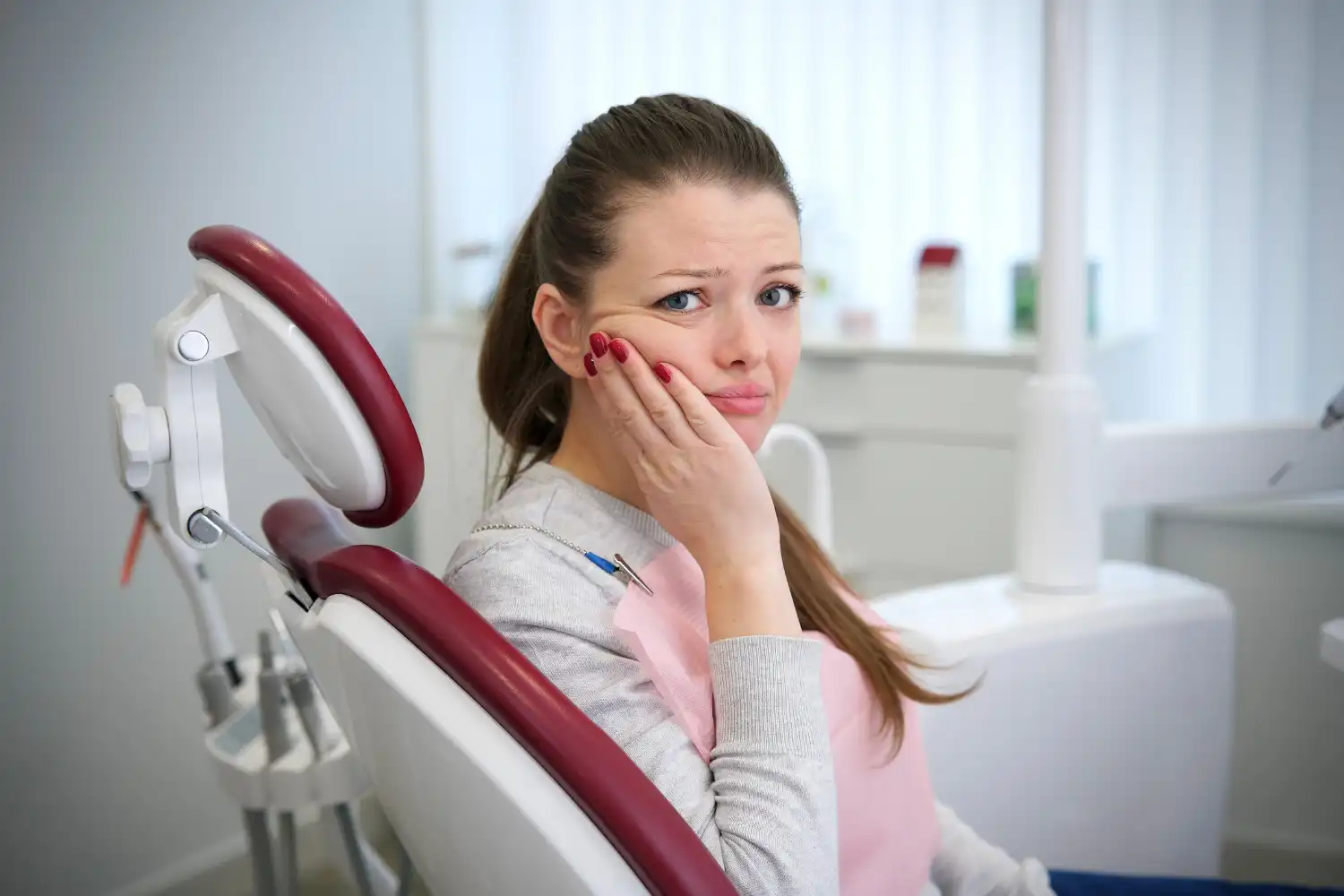
Biting and chewing should feel natural, yet many people experience difficulties that make everyday meals less comfortable. Problems with the way the upper and lower teeth meet can affect eating, speaking, and even confidence. While some bite concerns develop gradually and go unnoticed for years, they can eventually create functional challenges that interfere with daily life. Understanding the causes of bite problems and the available treatment options can help individuals make informed decisions about improving their oral health and overall comfort.
How an Underbite Affects Everyday Life
An underbite occurs when the lower teeth extend further forward than the upper teeth. The severity can vary considerably, but even mild cases may create challenges over time.
People with an underbite often experience:
- Difficulty biting into certain foods
- Increased effort while chewing
- Speech-related concerns
- Uneven tooth wear
- Jaw tension or discomfort
When the bite is not functioning efficiently, certain teeth may absorb more pressure than others. Over time, this can contribute to additional dental complications.
Beyond physical symptoms, some individuals also become self-conscious about the appearance of their smile or facial profile. Although appearance is not always the primary concern, it can influence confidence in social and professional situations.
Because bite problems often affect multiple aspects of daily life, seeking professional assessment can help determine whether treatment may be beneficial.
Signs That Indicate Treatment May Be Needed
Not every underbite requires immediate intervention. However, certain symptoms may indicate that the condition is affecting oral function.
Functional Difficulties
Many patients notice challenges such as:
- Trouble biting into food
- Uneven chewing patterns
- Frequent food trapping
- Difficulty achieving a comfortable bite
These issues can gradually become more noticeable over time.
Jaw Discomfort
An imbalanced bite may place additional strain on the jaw joints and surrounding muscles.
Common symptoms include:
- Jaw fatigue
- Clicking sounds
- Facial tension
- Mild discomfort during chewing
Persistent symptoms should be professionally evaluated.
Excessive Tooth Wear
When teeth do not align properly, certain areas can experience increased pressure.
This may lead to:
- Flattened tooth surfaces
- Chipping
- Cracks
- Increased sensitivity
Addressing bite issues early can help reduce further wear and tear.
What Causes an Underbite?
Several factors may contribute to the development of an underbite.
Jaw Development
In many cases, the position of the jaws plays a significant role. The lower jaw may develop further forward than the upper jaw, creating a noticeable imbalance.
Dental Factors
Sometimes the issue is related more to tooth positioning than jaw structure. Teeth that erupt in unfavourable positions can influence how the bite functions.
Childhood Habits
Certain habits during development may contribute to bite changes, including:
- Prolonged thumb sucking
- Tongue thrusting
- Extended dummy use
Not every habit results in an underbite, but some may influence dental development.
Genetic Influences
Family history often plays an important role. Bite characteristics can sometimes be inherited, making certain individuals more likely to develop alignment concerns.
Understanding the cause helps determine which treatment options may be most appropriate.
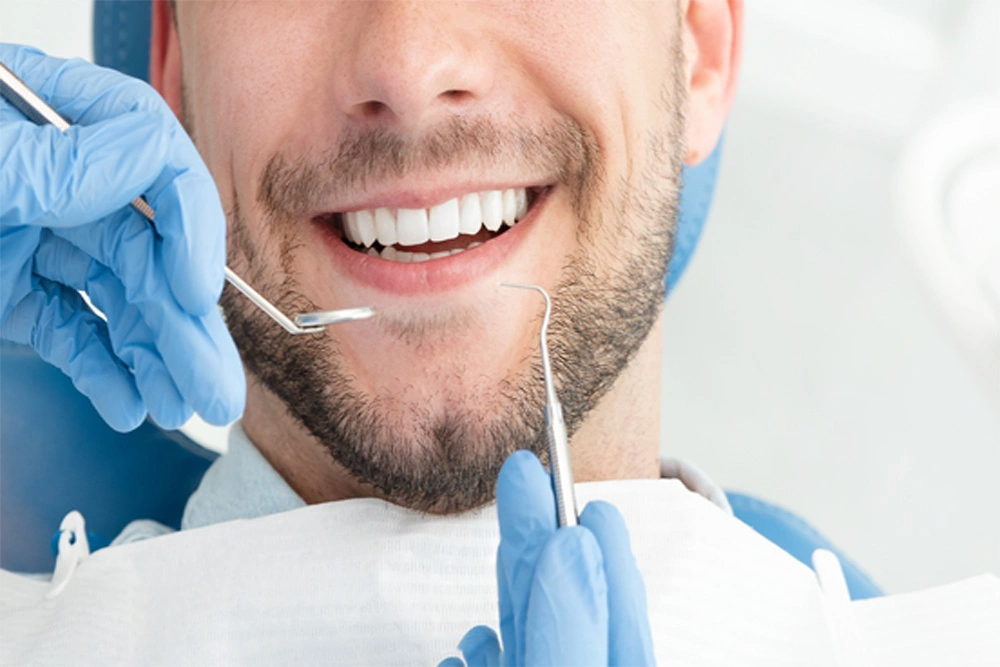
Understanding Modern Underbite Correction Options
Advances in dentistry and orthodontics have introduced a range of treatment options for patients seeking underbite correction and other bite-related improvements. The most suitable approach depends on several factors, including:
- Age
- Severity of the bite issue
- Jaw structure
- Overall oral health
Many treatment plans are designed to improve both function and appearance while providing effective underbite correction tailored to the patient’s individual needs.
Common approaches may include:
Orthodontic Treatment
Orthodontic appliances are often used to gradually reposition teeth and improve bite alignment.
Potential benefits include:
- Better chewing efficiency
- Improved tooth positioning
- Reduced pressure on individual teeth
- Enhanced smile appearance
Combined Treatment Approaches
In more complex situations, treatment may involve multiple techniques working together to achieve the desired outcome.
This may include:
- Orthodontic treatment
- Restorative procedures
- Bite adjustments
The goal is to create a more balanced and functional bite.
Individualised Planning
Every patient presents unique needs. A personalised assessment ensures treatment recommendations are tailored to the specific characteristics of the bite.
This helps improve both treatment efficiency and long-term outcomes.
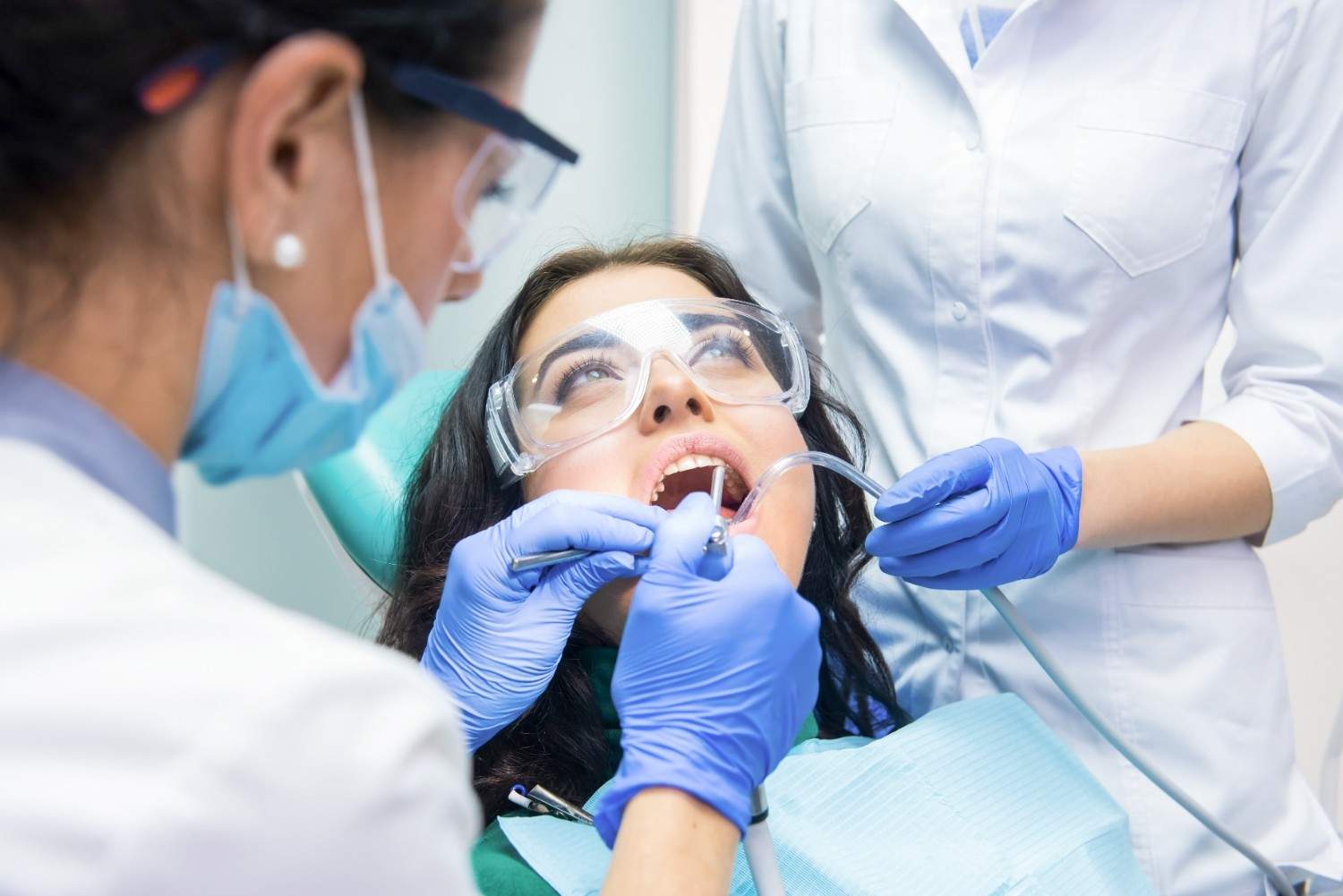
The Role of a Dental Practice
Professional assessment plays a crucial role when evaluating bite concerns.
A Dental Practice West Hampstead patients trust will typically begin with a comprehensive examination that may include:
- Assessment of tooth alignment
- Evaluation of jaw function
- Bite analysis
- Oral health review
Advanced imaging may also be used when necessary to gain a more detailed understanding of the underlying structures.
The information gathered during assessment helps create a personalised treatment strategy.
Regular monitoring throughout treatment is equally important. Progress reviews allow adjustments to be made where necessary and help ensure treatment goals remain on track.
A trusted dental practice West Hampstead patients rely on can also provide guidance on maintaining oral health throughout treatment and supporting long-term dental stability after improvements have been achieved.
Benefits of Early Intervention
Addressing bite concerns earlier often provides several advantages.
Potential benefits include:
- Simpler treatment planning
- Reduced risk of excessive tooth wear
- Improved chewing function
- Better oral hygiene access
- Reduced strain on supporting structures
Early intervention may also help prevent certain complications from becoming more severe over time.
Even when treatment is not immediately necessary, monitoring the condition allows changes to be identified and managed appropriately.
Regular dental assessments remain valuable for tracking progression and determining the most suitable timing for treatment if required.
Conclusion
Bite problems can affect much more than appearance. Difficulties with chewing, speaking, and everyday comfort may all be linked to the way the teeth and jaws function together. Understanding the underlying causes and exploring suitable treatment options can help individuals make informed decisions about their oral health. With professional assessment and personalised care, many bite-related concerns can be successfully managed. For guidance on achieving a healthier and more functional smile, Perfect Smile can provide expert support and treatment planning.
