

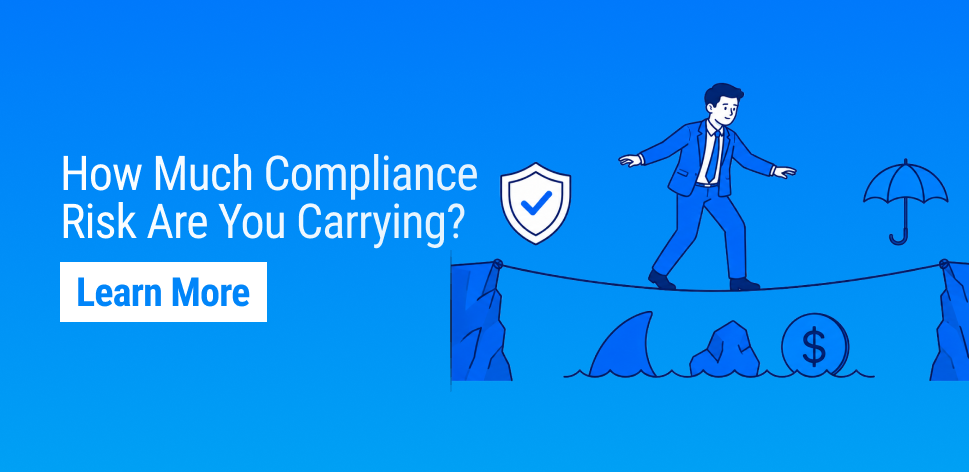
In modern insurance operations, compliance risk is not always obvious in daily workflows. Insurance agencies, carriers, and MGAs may assume that operational activity means regulatory safety. However, in the United States insurance industry, compliance exposure often exists beneath system-level processes.The idea of “are you risking more than you can afford to lose” reflects this hidden nature of risk. Many insurance organizations accumulate unnoticed gaps in licensing, appointments, and producer management over time.These issues rarely appear immediately. Instead, they surface later during audits, regulatory reviews, or carrier compliance checks.
How Compliance Risk Develops Across Insurance Systems
Insurance compliance risk does not originate from a single failure point. Instead, it builds gradually across multiple interconnected workflows that must remain aligned.
Regulatory frameworks require continuous verification of producer status through state systems and centralized databases such as NIPR. However, internal systems often fail to reflect real-time updates.
Common sources of compliance risk include:
- Expired or inactive producer licenses
- Missing carrier appointment updates
- Delayed system synchronization
- Inconsistent producer records across platforms
- Manual tracking and data entry errors
Each issue may seem small individually. However, combined they create systemic compliance exposure in multi-state insurance operations.
Producer Licensing as the Core Compliance Requirement
Producer licensing is the foundation of insurance compliance. A producer license is a state-issued authorization that allows an individual to legally sell insurance products.Insurance organizations must continuously verify license status across all jurisdictions where producers operate. In multi-state environments, this becomes complex due to varying renewal cycles and regulatory requirements.Regulatory guidelines state that unlicensed insurance activity is a violation of law. Because of this, license tracking must remain accurate and continuously updated.
A structured license tracking process typically includes:
- Real-time license verification
- Renewal tracking across states
- Synchronization with regulatory systems
- Alerts for inactive or suspended licenses
Without this foundation, compliance exposure increases significantly across insurance operations.
Carrier Appointments and Regulatory Authorization Gaps
A carrier appointment is the formal authorization granted by an insurance carrier that allows a producer to represent its products. Even when a producer holds a valid license, they cannot legally conduct business without an active appointment.
Many carriers today enforce strict monitoring of appointment status to maintain regulatory compliance across jurisdictions.
When appointment tracking is not properly managed, insurance organizations may face:
- Unauthorized insurance transactions
- Regulatory penalties in certain states
- Carrier contract violations
- Audit discrepancies during compliance reviews
Appointment management is therefore a continuous operational requirement, not a one-time administrative step.
Producer Code Management and Data Fragmentation Risks
A producer code is a unique identifier assigned by carriers to track producers across internal systems. It connects licensing data, commissions, and transaction records.
When producer code management is inconsistent, insurance systems become fragmented.
Common problems include:
- Duplicate or missing producer records
- Incorrect commission calculations
- Mismatched reporting across carriers and agencies
- Difficult audit reconciliation processes
Industry standards emphasize structured management of carrier producer codes to maintain data accuracy and compliance integrity.
Why Manual Compliance Tracking Creates Higher Risk
Many insurance organizations still rely on manual systems such as spreadsheets or disconnected tools. While this may work for small operations, it becomes increasingly risky at scale.
Manual processes often result in:
- Delayed updates across systems
- Human data entry errors
- Lack of real-time visibility
- Fragmented compliance reporting
Compliance teams often face challenges maintaining regulatory alignment when licensing, appointments, and producer data are not centralized.Modern insurance environments require continuous monitoring rather than periodic checks.

How Automation Strengthens Insurance Compliance Control
Insurance automation is now essential in regulated environments due to increasing complexity in operations.
Platforms like Agenzee help insurance organizations centralize key compliance functions such as:
- Producer licensing verification
- Carrier appointment tracking
- Producer code management
- Renewal alerts and monitoring
- Compliance reporting dashboards
By unifying these workflows, insurance organizations reduce manual dependency and improve system accuracy.Automation also ensures real-time updates, which significantly reduces compliance gaps.
Why Small Compliance Gaps Create Large Risks Over Time
A key principle in insurance compliance is that risk builds gradually rather than instantly.
A missed renewal or delayed appointment update may appear minor initially. However, when combined with other inconsistencies, it creates systemic exposure.
Over time, this can lead to:
- Regulatory violations
- Financial penalties
- Loss of carrier trust
- Operational disruptions during audits
Insurance organizations must treat compliance as an ongoing operational discipline rather than a periodic task.
Building a Stable Insurance Compliance Framework
A structured compliance framework typically includes:
- Continuous license verification through state systems
- Active carrier appointment tracking across producers
- Structured producer code management
- Automated renewal alerts
- Centralized compliance reporting systems
When these elements are integrated, insurance organizations gain better control over regulatory exposure and operational risk.Such systems are critical in multi-state insurance environments where complexity is high.
Conclusion: Making Compliance Risk Visible and Manageable
Insurance compliance risk often remains hidden until it becomes operationally significant. The key challenge for insurance organizations is ensuring that risk is identified early enough to control it effectively.When licensing, carrier appointments, and producer code tracking are fragmented, exposure increases silently. When these systems are unified and continuously monitored, compliance becomes structured and predictable.In modern insurance operations, strong compliance systems define operational safety and regulatory stability.
