

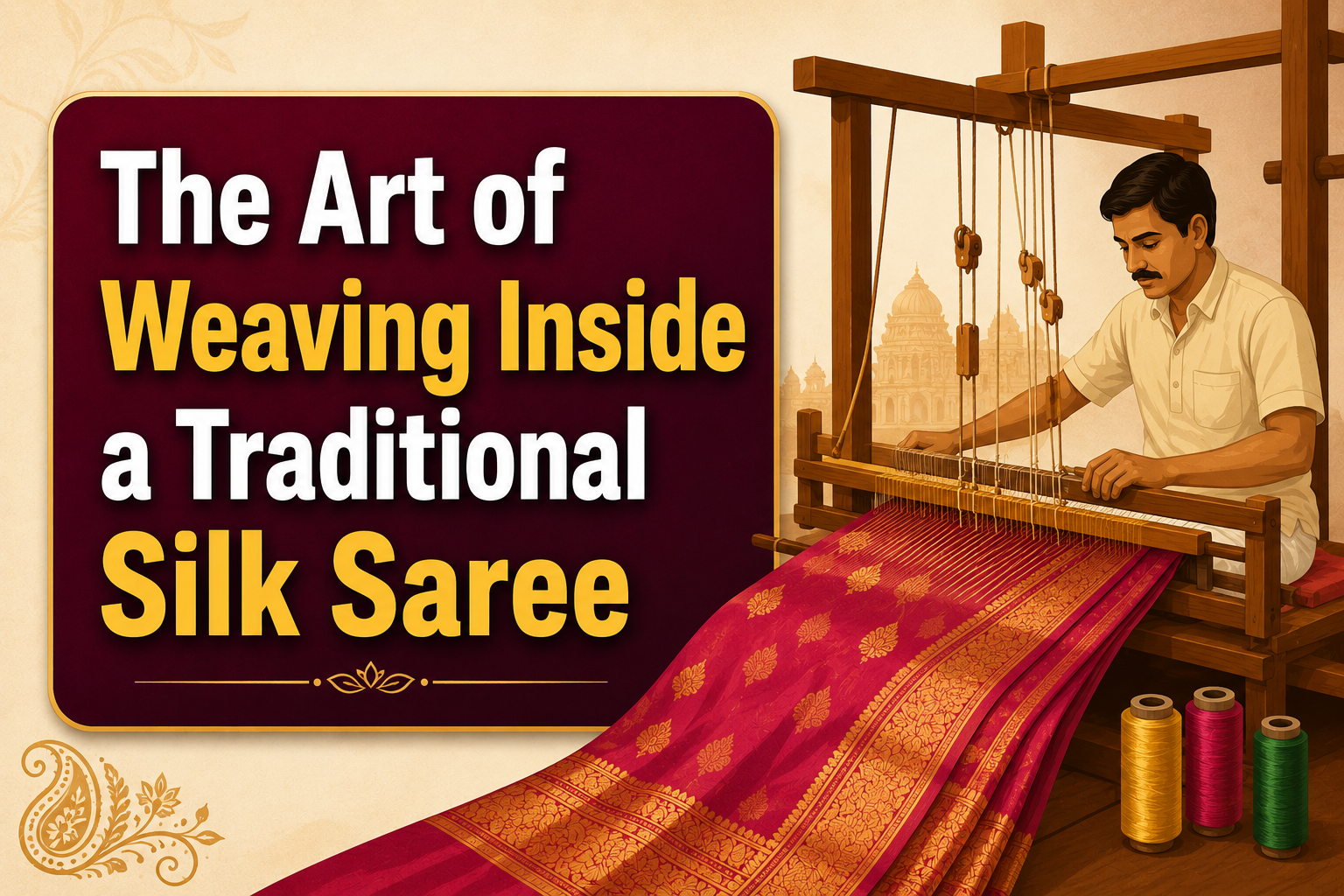
When you step into a silk boutique, the air is thick with the scent of fresh dye and the soft hum of looms in motion. The artisans, with hands steady as a seasoned dancer, weave stories into each thread. In this vibrant tapestry of tradition, the traditional kanjivaram sarees stand out as symbols of heritage, marrying intricate designs with the rich silk fabric that has graced royal courts for centuries. Their allure lies not only in their beauty but also in the mastery of the weaving process that transforms raw silk into a wearable masterpiece.
The Roots of Silk Weaving
Silk weaving in South India traces back to the ancient Tamil kingdoms, where silk was prized for its luster and versatility. Over time, the craft evolved, absorbing influences from neighboring cultures while maintaining its distinct identity. The Kanjivaram region, known for its fertile paddy fields and abundance of mulberry trees, became the cradle of this art. Generations of weavers passed down techniques that were both precise and poetic, ensuring that each saree carried a piece of the region’s soul.
Choosing the Finest Silk
Before a saree can be woven, the silk must be selected with care. Mulberry silk, prized for its strength and sheen, is harvested from silkworms that feed exclusively on mulberry leaves. The raw silk is then cleaned, carded, and spun into fine threads. Weavers often use a blend of silk and cotton to achieve the perfect balance between weight and drape, allowing the saree to flow gracefully while maintaining structural integrity. The quality of the silk directly influences the clarity of the patterns and the longevity of the garment.
The Art of Natural Dyeing
Unlike modern synthetic dyes, traditional silk sarees rely on natural dyes extracted from plants, minerals, and insects. Indigo, derived from the leaves of the Indigofera plant, provides a deep blue hue; madder root yields a rich crimson; and turmeric offers a warm ochre. The dyeing process is meticulous: silk threads are soaked, boiled, and then rinsed multiple times to ensure even color saturation. This method not only imparts vibrant, fade-resistant shades but also imbues the fabric with a subtle fragrance that enhances the sensory experience of wearing the saree.
Weaving Techniques: The Loom’s Language
At the heart of every saree lies the loom, a complex machine that translates the weaver’s vision into tangible fabric. Traditional Kanjivaram saree weaving employs a combination of handloom and mechanized looms, each chosen for its suitability to specific patterns. The weaver sets up the warp threads—long, vertical strands—before weaving the weft—horizontal strands—through them. By manipulating the loom’s heddles and harnesses, the artisan creates intricate motifs that ripple across the fabric. Mastery of this technique requires years of practice, as even a minor misstep can alter the entire design.
Patterns and Motifs: Stories in Silk
Every motif on a Kanjivaram saree carries symbolic meaning. Floral patterns often represent prosperity, while geometric shapes may signify balance and harmony. Traditional motifs such as the peacock, the lotus, and the banyan tree are woven with meticulous detail, each thread contributing to the overall narrative. The border and pallu—the decorative ends of the saree—are especially elaborate, featuring gold or silver zari work that adds a touch of opulence. These motifs are not merely decorative; they serve as cultural markers, connecting the wearer to a lineage of artisans and traditions.
Finishing Touches: Zari and Embellishments
Once the weaving is complete, the saree undergoes a finishing process that enhances its visual appeal. Zari, a thin thread of gold or silver, is embroidered along the borders and pallu, creating a shimmering contrast against the silk. The zari work is often hand-stitched, requiring precision and patience. Additionally, some sarees feature subtle embellishments like beadwork or sequins, adding texture and depth. These finishing touches elevate the saree from a functional garment to a treasured heirloom.
Cultural Significance and Social Rituals
In South Indian culture, the Kanjivaram saree is more than a piece of clothing; it is an emblem of identity and respect. Brides often choose a saree for their wedding day, believing that its auspicious patterns bring good fortune. The saree is also worn at festivals, temple visits, and formal gatherings, symbolizing devotion and pride. The act of draping a Kanjivaram saree is a ritual in itself, with specific folds and styles—such as the ‘Nillavu’ or ‘Padukottai’—that reflect regional preferences and personal taste.
Modern Adaptations and Contemporary Design
While the essence of traditional weaving remains intact, contemporary designers are experimenting with new silhouettes, color palettes, and fusion styles. Shorter saree cuts, hybrid drapes, and even saree-inspired dresses cater to a global audience seeking elegance with a modern twist. Yet, even in these adaptations, the core weaving techniques and natural dyeing processes are preserved, ensuring that the soul of the craft endures. This blend of tradition and innovation keeps the Kanjivaram saree relevant in today’s fashion landscape.
Preserving the Craft: Challenges and Initiatives
Like many artisanal traditions, silk weaving faces challenges such as industrial competition, dwindling numbers of skilled weavers, and a shift toward synthetic fabrics. Efforts to preserve this heritage include government scholarships for young weavers, workshops that teach traditional techniques, and collaborative projects that bring artisans into contemporary design studios. By fostering a supportive ecosystem, these initiatives aim to sustain the craft for future generations while maintaining its economic viability.
Tips for Choosing a Kanjivaram Saree
When selecting a saree, consider the fabric’s weight, the vibrancy of the colors, and the intricacy of the patterns. A high-quality saree will feel smooth to the touch and should retain its shape after washing. It is also wise to verify the authenticity of the zari work; genuine gold or silver zari should have a subtle sheen and a distinct weight. Finally, purchase from reputable sources that honor the weavers’ labor, ensuring that your investment supports the artisans who create these masterpieces.
Conclusion: From Loom to Legacy
The art of weaving inside a traditional silk saree is a living testament to human creativity, cultural pride, and meticulous craftsmanship. Each thread, each pattern, and each dye tells a story that has been passed down through centuries. By embracing these garments, we honor the skill of countless weavers and keep their legacy vibrant. For those seeking to add a piece of this heritage to their wardrobe, exploring the exquisite range of korvai kanjivaram sarees offers a chance to experience both tradition and contemporary elegance in one harmonious blend.
