

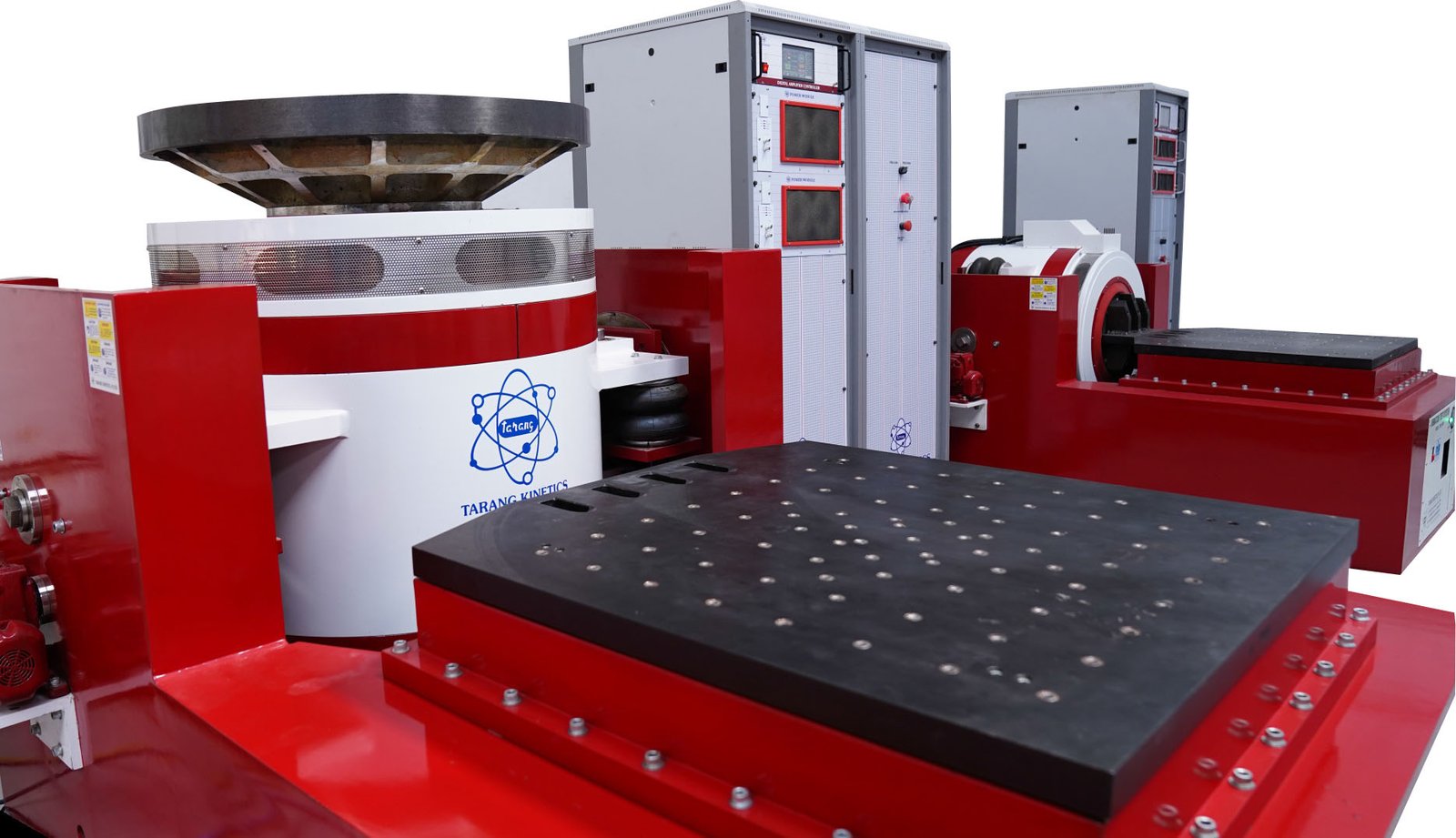
In industries where reliability and durability are critical, MIL-STD Vibration Testing plays a vital role in ensuring products can withstand harsh operating conditions. Military, aerospace, defense, automotive, and electronics manufacturers rely on vibration testing to evaluate how equipment performs under transportation, storage, and operational environments.
Selecting the right vibration testing equipment is essential for achieving accurate results and complying with military standards. In this guide, we explore the key features of MIL-STD Vibration Testing equipment and the factors to consider when choosing the best system for your testing requirements.
What is MIL-STD Vibration Testing?
MIL-STD Vibration Testing refers to vibration tests conducted according to military standards, particularly MIL-STD-810, which outlines environmental engineering considerations and laboratory test methods. These tests simulate real-world vibration conditions that products may experience during transportation, deployment, or operation.
The objective is to identify structural weaknesses, performance issues, and potential failures before products reach the field.
Key Features of MIL-STD Vibration Testing Equipment
1. Wide Frequency Range
A quality vibration testing system should offer a broad frequency range to accurately simulate various vibration profiles specified in military standards. This allows engineers to evaluate product performance under different operational conditions.
2. High Force Capability
Military and aerospace components often require testing under intense vibration levels. Equipment with high force ratings can generate the necessary vibration amplitudes for comprehensive testing.
3. Precise Control System
Modern MIL-STD Vibration Testing equipment includes advanced digital controllers that provide accurate monitoring and control of vibration parameters. This ensures repeatable and reliable test results.
4. Multi-Axis Testing Support
Products are subjected to vibrations from multiple directions in real-world environments. Advanced systems support testing along multiple axes to better replicate operational conditions.
5. Data Acquisition and Analysis
Integrated software enables real-time monitoring, data recording, reporting, and analysis. These capabilities help engineers identify potential design flaws and improve product reliability.
6. Compliance with International Standards
The testing system should support MIL-STD-810 requirements as well as other standards such as IEC, ASTM, ISO, and JSS specifications to meet diverse industry needs.
How to Select the Right MIL-STD Vibration Testing Equipment
Define Your Testing Requirements
Begin by identifying the type of products being tested, their weight, dimensions, and applicable testing standards. Different applications require different vibration profiles and force levels.
Evaluate System Capacity
Ensure the vibration testing system can accommodate the payload size and weight of your products. Selecting equipment with sufficient capacity improves testing flexibility and future scalability.
Consider Control and Software Features
Advanced control systems provide greater testing accuracy and ease of operation. Look for features such as automated test sequences, real-time monitoring, and customizable reporting.
Verify Standard Compliance
Choose equipment specifically designed to support MIL-STD Vibration Testing requirements. Compliance with military and industry standards ensures reliable and accepted test results.
Assess Service and Technical Support
Reliable after-sales support is essential for maintaining system performance. Partnering with an experienced manufacturer ensures access to technical assistance, calibration services, and maintenance support.
Why Choose Tarang Kinetics?
Tarang Kinetics is a trusted Indian manufacturer of advanced vibration and environmental testing systems. With decades of expertise in reliability testing solutions, the company provides high-performance vibration test systems designed to meet demanding military, aerospace, automotive, and electronics industry requirements.
Tarang Kinetics focuses on precision engineering, advanced control technology, and customized testing solutions that help organizations achieve accurate and repeatable MIL-STD Vibration Testing results. Their systems are designed to support international testing standards while delivering long-term reliability and performance.
Conclusion
Selecting the right MIL-STD Vibration Testing equipment is crucial for ensuring product reliability, safety, and compliance with military standards. By evaluating factors such as frequency range, force capability, control systems, and standard compliance, organizations can make informed investment decisions.
With innovative testing solutions and industry expertise, Tarang Kinetics continues to support manufacturers in achieving superior product validation and environmental testing performance.
