

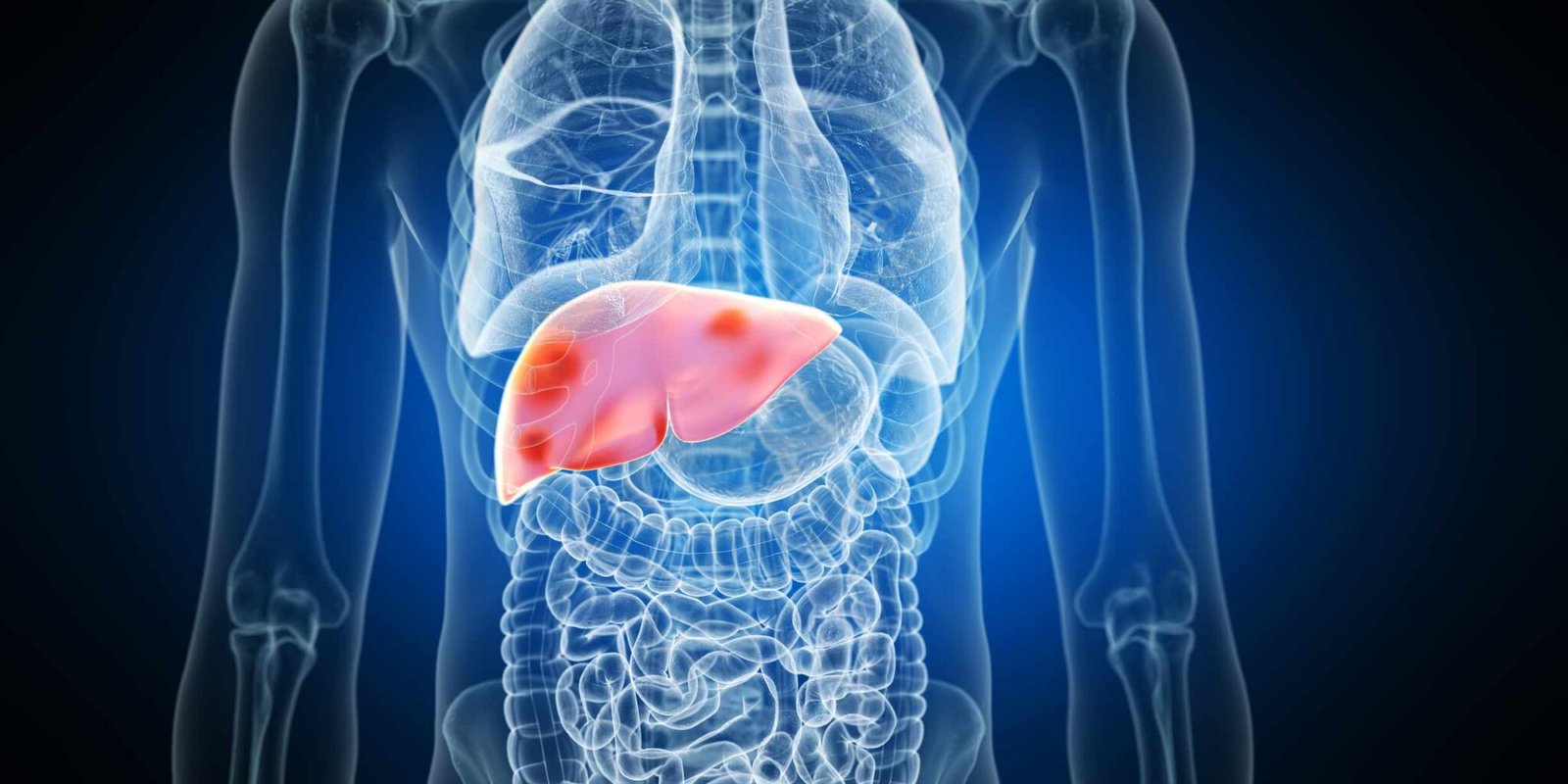
The liver is one of the most important organs in the human body. It helps process nutrients, remove toxins, support digestion, and maintain overall health. When excess fat builds up in the liver, it can lead to a condition known as fatty liver disease. Many people may not notice symptoms in the early stages, making regular health checks very important.
Today, fatty liver disease is becoming more common because of lifestyle changes, obesity, diabetes, and poor dietary habits. Understanding the condition and seeking timely medical support can help prevent complications and improve liver health.
Many individuals search for fatty liver disease treatment when they receive a diagnosis or experience symptoms related to liver problems. Learning about the condition, available diagnostic methods, and treatment options can help patients make informed decisions about their health.
What Is Fatty Liver Disease?
Fatty liver disease occurs when too much fat accumulates in liver cells. While a small amount of fat in the liver is normal, excessive fat can affect liver function and may eventually lead to inflammation or damage.
There are two main types of fatty liver disease:
Non-Alcoholic Fatty Liver Disease (NAFLD)
This type occurs in people who drink little or no alcohol. It is often associated with obesity, diabetes, high cholesterol, and metabolic syndrome.
Alcohol-Related Fatty Liver Disease
This form develops due to excessive alcohol consumption. The liver struggles to process alcohol, leading to fat accumulation and potential liver injury.
If left untreated, both forms may progress to more serious liver conditions.
Causes of Fatty Liver Disease
Several factors can increase the risk of developing fatty liver disease.
Common causes include:
- Obesity or excess body weight
- Type 2 diabetes
- High cholesterol levels
- High triglyceride levels
- Poor diet
- Lack of physical activity
- Excessive alcohol intake
- Insulin resistance
- Metabolic syndrome
- Certain medications
In some cases, fatty liver disease may develop even in individuals who are not overweight.
Symptoms of Fatty Liver Disease
Many people with fatty liver disease experience no symptoms during the early stages. The condition is often discovered during routine blood tests or imaging scans.
When symptoms do occur, they may include:
- Fatigue
- Weakness
- Mild abdominal discomfort
- Feeling of fullness in the upper right side of the abdomen
- Unexplained weight loss
- Difficulty concentrating
As the condition progresses, more serious symptoms may develop, including swelling, jaundice, and signs of liver dysfunction.
Why Early Diagnosis Matters
Early diagnosis allows healthcare providers to identify the severity of the condition and begin treatment before permanent liver damage occurs.
Without proper management, fatty liver disease may progress to:
- Non-alcoholic steatohepatitis (NASH)
- Liver fibrosis
- Cirrhosis
- Liver failure
- Increased risk of liver cancer
Early intervention can often reverse fatty liver disease and significantly improve long-term health outcomes.
How Fatty Liver Disease Is Diagnosed
A complete evaluation usually includes a review of medical history, lifestyle factors, physical examination, laboratory tests, and imaging studies.
Medical History Assessment
The healthcare provider may ask about:
- Diet and nutrition
- Alcohol consumption
- Exercise habits
- Existing medical conditions
- Family history of liver disease
- Current medications
This information helps identify possible causes and risk factors.
Physical Examination
A physical examination may reveal signs such as:
- Enlarged liver
- Abdominal tenderness
- Increased body weight
- Other indicators of metabolic disorders
Although physical findings alone cannot confirm fatty liver disease, they provide valuable diagnostic clues.
Blood Tests for Fatty Liver Disease
Blood tests are commonly used to evaluate liver function.
These tests may include:
Liver Function Tests
These measure enzymes and proteins produced by the liver. Elevated liver enzymes may suggest inflammation or liver damage.
Lipid Profile
This test measures cholesterol and triglyceride levels, which are often linked to fatty liver disease.
Blood Sugar Tests
Since diabetes is a major risk factor, glucose and HbA1c testing may be recommended.
Additional Laboratory Tests
Other tests may help rule out viral hepatitis, autoimmune liver diseases, or other conditions affecting the liver.
Imaging Tests Used for Diagnosis
Imaging studies allow healthcare providers to visualize the liver and assess fat accumulation.
Ultrasound
Ultrasound is often the first imaging test used to detect fatty liver disease.
Benefits include:
- Non-invasive procedure
- No radiation exposure
- Quick examination
- Widely available
CT Scan
Computed tomography scans can provide detailed images of the liver and surrounding structures.
MRI
Magnetic resonance imaging can offer highly accurate assessment of liver fat content.
FibroScan
FibroScan is a specialized test that measures liver stiffness and helps evaluate fibrosis or scarring.
This test is painless and can provide important information about disease progression.
Understanding the Stages of Fatty Liver Disease
Fatty liver disease develops gradually over time.
Stage 1: Simple Fatty Liver
Fat accumulates within liver cells without significant inflammation or damage.
Stage 2: Steatohepatitis
The liver becomes inflamed, increasing the risk of tissue damage.
Stage 3: Fibrosis
Repeated inflammation causes scar tissue formation.
Stage 4: Cirrhosis
Extensive scarring affects liver function and may lead to serious complications.
Identifying the stage of disease helps guide treatment planning.
Fatty Liver Disease Treatment Options
The approach to fatty liver disease treatment depends on the underlying cause, severity of the condition, and overall health of the patient.
Treatment generally focuses on reducing liver fat, preventing progression, and improving metabolic health.
Lifestyle Modifications
Lifestyle changes remain the foundation of treatment.
Key recommendations include:
- Eating a balanced diet
- Increasing physical activity
- Achieving healthy weight loss
- Avoiding alcohol
- Managing blood sugar levels
- Controlling cholesterol
For many patients, lifestyle improvements alone can significantly reduce liver fat.
Weight Management and Liver Health
Weight reduction is one of the most effective ways to improve fatty liver disease.
Benefits of gradual weight loss include:
- Reduced liver fat
- Lower inflammation
- Improved insulin sensitivity
- Better overall metabolic health
Healthcare providers generally recommend gradual and sustainable weight loss rather than rapid dieting.
Dietary Recommendations
A healthy diet can play a major role in recovery.
Foods often recommended include:
Fruits and Vegetables
These provide vitamins, minerals, and antioxidants that support liver health.
Whole Grains
Whole grains contain fiber that helps regulate blood sugar and cholesterol.
Lean Proteins
Examples include:
- Fish
- Skinless poultry
- Legumes
- Tofu
Healthy Fats
Sources include:
- Nuts
- Seeds
- Olive oil
- Avocados
Foods to Limit
Patients are often advised to reduce:
- Sugary beverages
- Processed foods
- Fried foods
- Excessive salt
- Refined carbohydrates
Following a balanced nutrition plan can support long-term liver recovery.
Exercise and Fatty Liver Disease
Regular physical activity is highly beneficial for liver health.
Exercise helps:
- Burn excess fat
- Improve insulin sensitivity
- Support weight management
- Reduce inflammation
Common recommendations include:
- Walking
- Cycling
- Swimming
- Strength training
- Low-impact aerobic activities
Even moderate exercise performed consistently can produce meaningful improvements.
Medical Management
Some patients may require medical treatment to manage conditions associated with fatty liver disease.
These may include:
- Diabetes medications
- Cholesterol-lowering medications
- Blood pressure medications
Managing related health conditions can reduce stress on the liver and improve outcomes.
Monitoring and Follow-Up Care
Regular follow-up appointments are important for tracking progress.
Monitoring may include:
- Repeat blood tests
- Liver imaging
- Weight assessments
- Evaluation of metabolic health
Ongoing monitoring allows healthcare providers to adjust treatment plans when necessary.
Can Fatty Liver Disease Be Reversed?
In many cases, the answer is yes.
Early-stage fatty liver disease can often be reversed through:
- Healthy eating
- Weight loss
- Exercise
- Alcohol avoidance
- Proper management of diabetes and cholesterol
The earlier treatment begins, the greater the likelihood of successful reversal.
Preventing Fatty Liver Disease
Prevention focuses on maintaining a healthy lifestyle.
Helpful preventive measures include:
- Eating nutritious meals
- Exercising regularly
- Maintaining a healthy body weight
- Limiting alcohol intake
- Managing diabetes effectively
- Monitoring cholesterol levels
- Scheduling regular health checkups
These habits support both liver health and overall wellness.
When Should You Seek Medical Advice?
It is important to consult a healthcare professional if you experience:
- Persistent fatigue
- Abdominal discomfort
- Unexplained weight changes
- Abnormal liver test results
- Risk factors such as obesity or diabetes
Early evaluation can help identify problems before significant liver damage develops.
Conclusion
Fatty liver disease is a common condition that can affect people of all ages. Fortunately, early diagnosis and appropriate care can significantly improve outcomes. Through lifestyle modifications, proper nutrition, regular exercise, and ongoing medical monitoring, many patients can successfully manage or even reverse the condition.
If you are concerned about liver health or need guidance regarding fatty liver disease treatment, seeking professional medical advice is an important first step. For expert evaluation and personalized care, patients can consult Dr. Neil Philip Galletly, who can provide comprehensive assessment and treatment recommendations based on individual health needs.
